US Army Corps of Engineers Faces Questions Over Decline in Environmental Mitigation Work
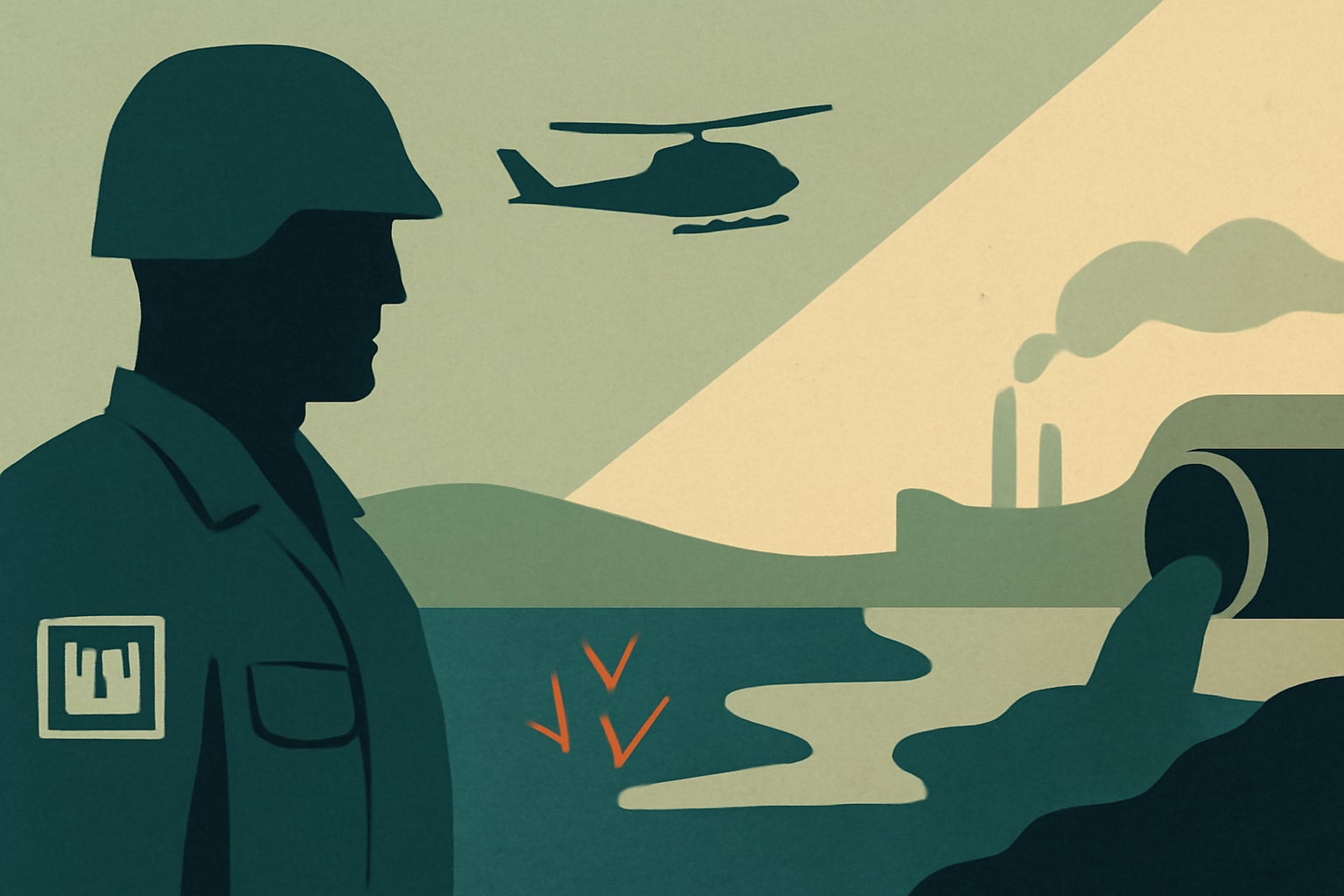
A GAO report reveals a significant drop in mitigation plans for wildlife and habitat protection from 2022 to 2025, raising concerns among stakeholders.
What's Happening
- •The GAO has reported a sharp decline in the Army Corps of Engineers' environmental mitigation plans from 2022 to 2025.
- •This decline raises concerns about the agency's commitment to wildlife and habitat protection.
- •Stakeholders are demanding explanations for the drop in mitigation work, which is critical for environmental sustainability.
Why It Matters
The decline in environmental mitigation work by the Army Corps of Engineers could have significant implications for military operations and local ecosystems. For service members and veterans, understanding these changes is crucial as they may affect training environments and community health where they live and work.
What Changes Now
- •The Army Corps of Engineers will need to reassess its environmental mitigation strategies. This reassessment will likely involve increased scrutiny from oversight bodies and may lead to changes in how projects are evaluated for environmental impact.
- •Stakeholders are demanding more transparency from the Corps regarding its decision-making processes. This means that service members and local communities could gain access to more information about how environmental factors are considered in military projects.
- •Environmental groups are likely to increase their advocacy efforts in response to this decline. Active duty and veteran communities may see more initiatives aimed at promoting environmental sustainability around military installations.
What to Watch
- •Upcoming reports from the GAO on the Army Corps' environmental practices will be released in the coming months. These reports could provide critical insights into the agency's plans and accountability measures.
- •Local community meetings regarding environmental impacts of military projects will be scheduled. Service members and veterans should stay informed about these meetings to voice their concerns and engage with local stakeholders.
- •Potential legislative actions aimed at increasing oversight of environmental practices by the Army Corps may be introduced. This could impact funding and resources available for military projects that affect local ecosystems.
Get the Daily Briefing
Military and veteran news that actually affects you, in your inbox each morning.
More Context
- •Overview of the Decline: The Government Accountability Office (GAO) has highlighted a concerning trend within the U.S. Army Corps of Engineers regarding environmental mitigation work. Between 2022 and 2025, the agency's decisions to implement mitigation plans for wildlife and habitat protection have sharply decreased. This drop is alarming as it indicates a potential neglect of environmental responsibilities that are crucial for maintaining biodiversity and ecosystem health. The Corps is tasked with ensuring that development projects do not adversely affect the environment, making this decline particularly troubling.
- •Implications for Military Installations: Military installations often intersect with critical habitats and ecosystems. The decline in environmental mitigation work could lead to increased environmental degradation around these installations, impacting both military operations and local communities. For instance, installations in areas with sensitive wildlife populations may face stricter regulations or public opposition if mitigation efforts are not adequately addressed. This could hinder training exercises and development projects essential for military readiness.
- •Stakeholder Reactions and Concerns: Various stakeholders, including environmental groups and local communities, have expressed their concerns regarding the Army Corps' declining commitment to environmental mitigation. These groups argue that the lack of transparency and accountability in the Corps' decision-making processes could lead to long-term ecological damage. Moreover, veterans and military families living near affected installations may find their quality of life impacted by environmental issues stemming from inadequate mitigation efforts.
- •Next Steps and Monitoring: Moving forward, it is crucial for the Army Corps of Engineers to clarify its strategy regarding environmental mitigation. Stakeholders are calling for a detailed report on the reasons behind the decline and a plan to restore effective mitigation practices. This situation will be closely monitored by both government oversight bodies and advocacy groups to ensure that environmental standards are upheld and that military readiness is not compromised.
Frequently Asked Questions
Does this affect Guard members on Title 10 orders?
Yes, the decline in environmental mitigation could impact training and operations for Guard members activated under Title 10, particularly if their training areas are affected by environmental degradation.
Will my BAH change if I move duty stations mid-year?
While this issue primarily concerns environmental practices, changes in local ecosystems could indirectly affect housing allowances if the local market is impacted by environmental issues.
The Daily Briefing
Military & veteran news that actually affects you — delivered every morning.
- Pay, benefits & policy changes
- Pentagon decisions that matter
- VA updates for veterans & families
- One email. No spam. Unsubscribe anytime.
Related Stories
- Agencies Must Integrate Smart Identity Cards for Post-Quantum Cryptography— Federal News Network
- National Guard Responds to Troops Near DC Ballot Drop Box Incident— Task & Purpose
- Pentagon Denies Access to Qatar Base Amid Iran War Concerns— Defense News
- US and Greece Launch Joint Security Program to Combat Threats— Defense News