New $6.8 Million Pentagon-Backed Study Aims to Protect Service Members' Brains
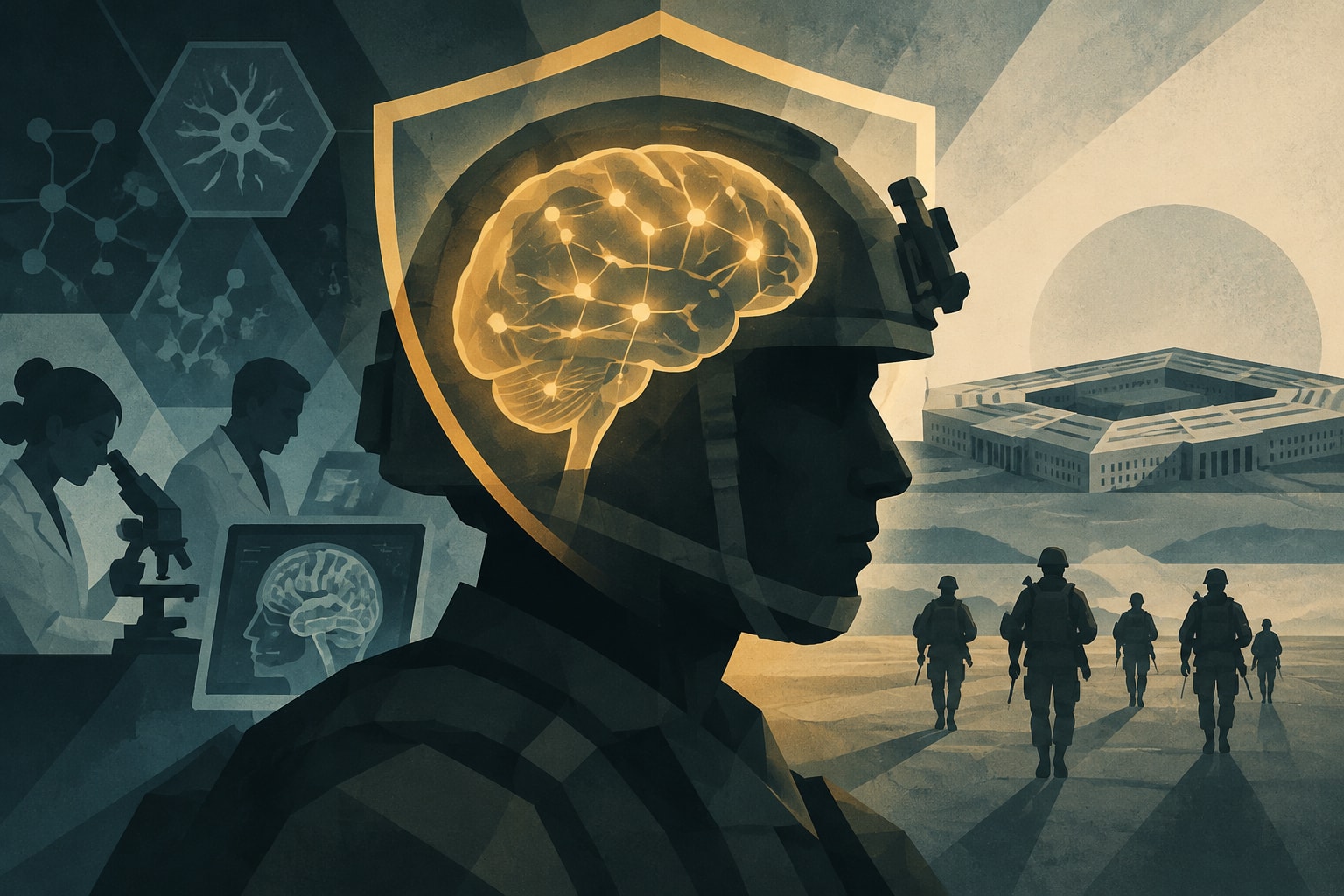
The Defense Department funds a study to identify genes that could shield service members from brain trauma.
What's Happening
- •The Pentagon has allocated $6.8 million to UMass Chan Medical School for a new study.
- •The study will focus on identifying genetic factors that may protect against brain injuries.
- •This initiative is part of a broader effort to address traumatic brain injuries among service members.
Why It Matters
Traumatic brain injuries are a growing concern in the military, particularly among those in combat roles. Understanding the genetic factors that contribute to brain resilience could lead to significant advancements in prevention and treatment, ultimately improving the quality of life for service members and veterans alike.
What Changes Now
- •The Pentagon's funding of this study marks a significant investment in understanding brain health. This could lead to new preventive measures for active-duty service members and veterans over the coming years.
- •As research progresses, service members may see new protocols implemented for brain injury assessments. This is crucial for those in high-risk roles, ensuring they receive timely and effective care.
- •The findings from this study could influence future training and operational guidelines. This will be particularly relevant for units frequently exposed to blast injuries.
What to Watch
- •The study's initial findings are expected within two years. This timeline is crucial for understanding how genetic factors can influence brain health in military contexts.
- •Updates from the Defense Department regarding the implementation of new policies based on study outcomes will be significant. These decisions could shape the future of TBI prevention strategies in the military.
- •Watch for potential collaborations between military medical researchers and civilian institutions. Such partnerships could enhance the study's findings and broaden its applicability.
Get the Daily Briefing
Military and veteran news that actually affects you, in your inbox each morning.
More Context
- •Understanding the Study's Objectives: The new study funded by the Pentagon aims to explore the genetic underpinnings that could help protect service members' brains from trauma. By identifying specific genes, researchers hope to develop targeted interventions that could mitigate the effects of traumatic brain injuries (TBIs), which are a significant concern for military personnel, especially those in combat roles.
- •Impact on Service Members and Veterans: This study is particularly relevant for active-duty personnel in combat roles, such as infantry soldiers (11B) and special operations forces (18 series). Additionally, veterans who have experienced TBIs during their service may benefit from advancements stemming from this research, potentially leading to improved treatment options and preventive measures.
- •Next Steps and Practical Implications: As the study progresses, it will be essential for service members and veterans to stay informed about any findings that could affect their health. The Defense Department is expected to release updates on the study's progress, which may lead to new guidelines for preventing and treating TBIs in the military community.
- •What to Monitor Going Forward: Readers should keep an eye on the study's timeline, as initial findings may be published within the next two years. Furthermore, the Defense Department's response to the study's outcomes could influence future policies regarding brain injury prevention and treatment for service members and veterans.
Frequently Asked Questions
Does this study help veterans with past brain injuries?
Yes, the findings may lead to improved treatment options for veterans who have experienced traumatic brain injuries.
What does this mean for active duty personnel?
Active duty personnel, especially in combat roles, may benefit from new preventive measures and treatments developed from this study.
How can I stay updated on the study's progress?
You can monitor announcements from the Defense Department and related military health agencies for updates on the study's findings.
The Daily Briefing
Military & veteran news that actually affects you — delivered every morning.
- Pay, benefits & policy changes
- Pentagon decisions that matter
- VA updates for veterans & families
- One email. No spam. Unsubscribe anytime.
Related Stories
- Trump and Dana White Donate $500,000 to Marine Corps Band Members— Military Times
- Commanders Face Ongoing Challenges with Battlefield Visibility— Federal News Network
- Pentagon Rebrands Artificial Intelligence as 'Super Intelligence'— Military Times
- Navy Secretary Nominee Hung Cao Faces Iran War Questions Ahead of Hearing— Military.com