U.S. Air Force Flight to Antarctica Returns After Russian Hazard Warning
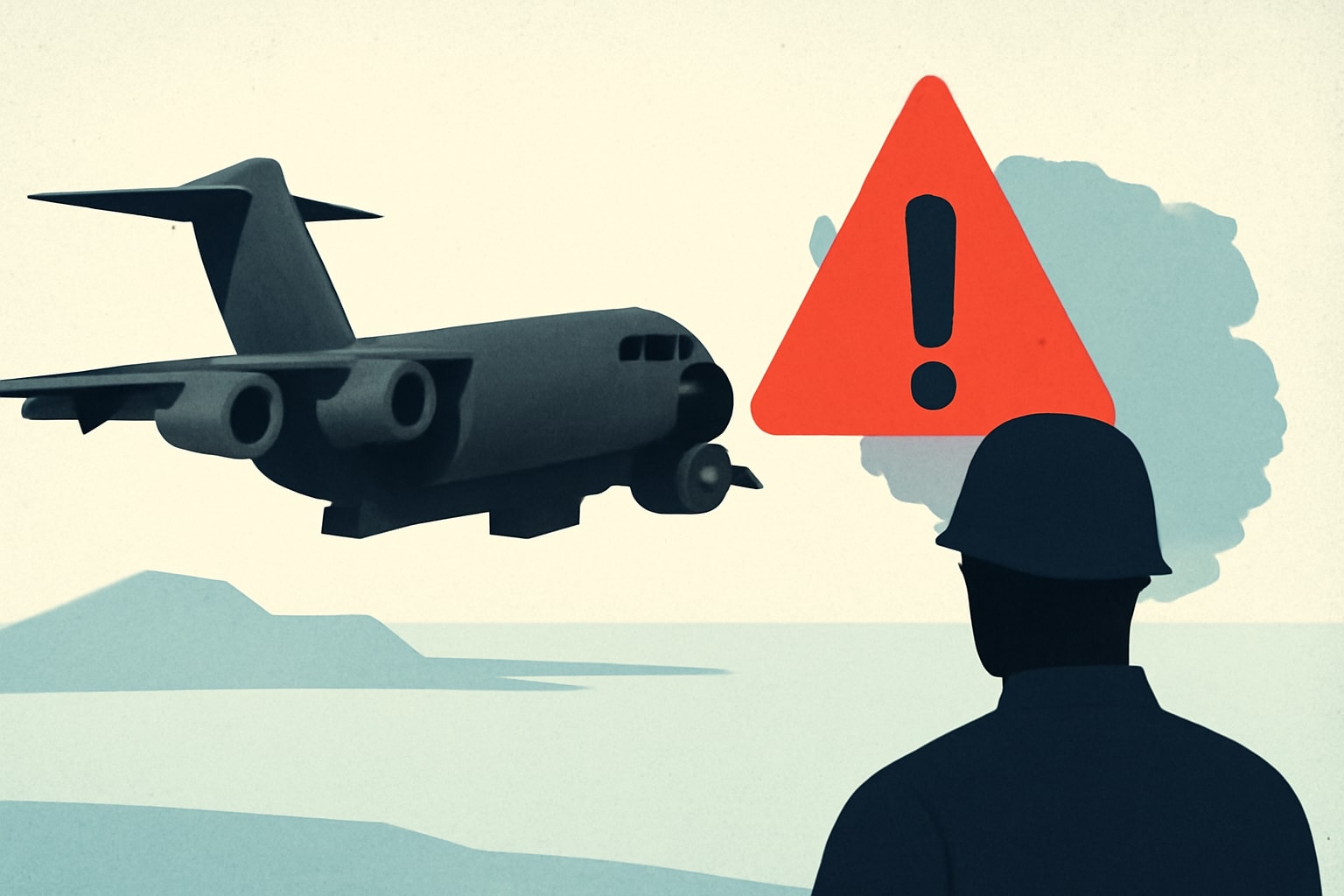
A U.S. Air Force C-17A Globemaster III returning from Christchurch, New Zealand, diverted due to a Russian space activity alert.
What's Happening
- •A U.S. Air Force C-17A Globemaster III flight was turned back due to a warning about potentially hazardous Russian space activity.
- •The aircraft had taken off from Christchurch, New Zealand, bound for Antarctica.
- •The warning indicated that the Russian activity posed a risk to the flight path.
Why It Matters
This incident is significant as it reflects the rising tensions in global military operations, particularly concerning space activities. For military personnel and their families, understanding these developments is crucial as they can directly impact mission safety and readiness.
What Changes Now
- •The immediate change is the return of the C-17A Globemaster III to Christchurch. This decision was made to ensure the safety of the crew in light of the Russian warning.
- •Air Force operations in the region may see increased caution and potential rerouting of flights. Service members should stay informed about operational changes that could affect their missions.
- •Personnel involved in planning Antarctic missions will need to reassess risk management strategies. This reassessment will be vital for ensuring the safety and success of future operations.
What to Watch
- •Monitor updates from the Air Force regarding changes in operational procedures. These updates may include new protocols for responding to international warnings.
- •Watch for potential briefings from military leadership on the implications of foreign space activities. These briefings could provide insights into how such incidents will shape future missions.
- •Keep an eye on international relations concerning space activities, particularly with Russia. Changes in these dynamics could further impact military operations in sensitive regions.
Get the Daily Briefing
Military and veteran news that actually affects you, in your inbox each morning.
More Context
- •Details of the Incident: On August 20, 2026, a U.S. Air Force C-17A Globemaster III took off from Christchurch, New Zealand, on a mission to Antarctica. Shortly after takeoff, the crew received a notice regarding potentially hazardous space activity linked to Russian operations. This warning prompted immediate action to ensure the safety of the crew and aircraft, leading to a decision to return to Christchurch. The C-17A is a strategic airlift aircraft capable of rapid strategic delivery of troops and all types of cargo to main operating bases or forward operating bases. The incident underscores the importance of vigilance in air operations, especially in areas where international tensions may affect flight safety.
- •Implications for Military Operations: This incident highlights the increasing complexity of military operations in regions where geopolitical tensions are present. For service members, especially those involved in logistics and air transport, such warnings can significantly impact mission planning and execution. The Air Force must remain agile and responsive to changing conditions in the operational environment. As military operations expand into areas like Antarctica, understanding and mitigating risks associated with foreign activities becomes paramount. This situation serves as a reminder of the need for continuous monitoring of international developments that could affect U.S. military readiness and safety.
- •Future Considerations: Looking ahead, military planners will need to assess the implications of such warnings on future missions. This incident may lead to increased scrutiny of flight paths and operational protocols in regions near foreign military activities. Service members should be prepared for potential changes in mission parameters, including altered routes or mission cancellations based on similar warnings. The Air Force and other branches might also enhance collaboration with intelligence agencies to better assess risks associated with international space activities. Ongoing training and briefings will be essential to ensure that all personnel are informed and ready to adapt to evolving threats.
Frequently Asked Questions
Does this affect Guard members on Title 10 orders?
Yes, Guard members on Title 10 orders may be affected as operational changes could impact their missions and readiness.
Will my BAH change if I move duty stations mid-year?
Your Basic Allowance for Housing (BAH) may change if you move to a new duty station, as BAH rates vary by location.
The Daily Briefing
Military & veteran news that actually affects you — delivered every morning.
- Pay, benefits & policy changes
- Pentagon decisions that matter
- VA updates for veterans & families
- One email. No spam. Unsubscribe anytime.
Related Stories
- Marine Arrested on Suspicion of Killing a Japanese Woman in Okinawa— Task & Purpose
- Yemeni Government Launches Major Offensive Against Iran-Backed Houthis— Defense News
- Department of the Navy Implements MyNavy Portal Updates— Federal News Network
- Air Force Authorizes New Berets for Explosive Ordnance Disposal Techs— Task & Purpose