Poll Reveals 71% of Americans Want Congress to End Military Actions in Iran
A recent poll shows significant public support for Congress to legislate an end to U.S. military involvement in Iran.
What's Happening
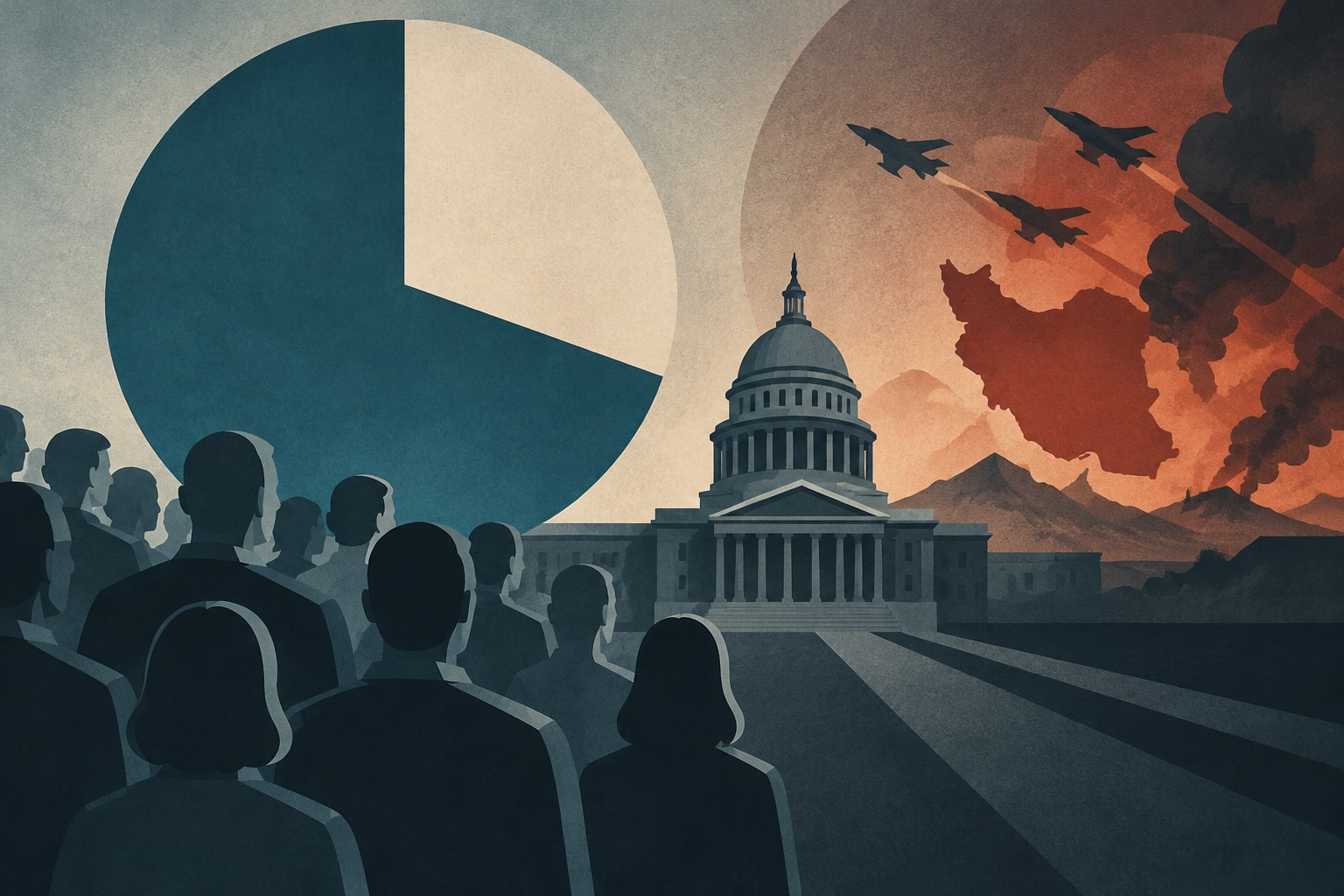
- •A new Reuters/Ipsos poll indicates that 71% of Americans want Congress to end military actions against Iran.
- •The poll reflects a growing concern among the public regarding U.S. military involvement abroad.
- •This sentiment could influence legislative actions in the upcoming Congress.
Why It Matters
This poll reflects a significant public sentiment that could influence military policy and operations, particularly regarding U.S. involvement in Iran. For service members and veterans, understanding these dynamics is crucial as they navigate their careers and the implications of military decisions on their lives.
What Changes Now
- •Legislative discussions may begin as early as January 2027. This could lead to a reevaluation of military funding and operations in Iran, affecting service members' deployments.
- •Increased public pressure on Congress may result in hearings or discussions about military engagement. Service members should prepare for potential changes in mission parameters or funding allocations.
- •Advocacy groups may ramp up efforts to influence Congress on military policy. Members of the military should stay engaged with these organizations to voice their concerns and experiences.
What to Watch
- •Watch for congressional hearings scheduled for early 2027. These hearings will likely address military engagement in Iran and could lead to significant policy changes.
- •Monitor statements from key congressional leaders regarding military funding. Their positions will indicate how seriously they take public sentiment and may influence future military operations.
- •Keep an eye on veteran advocacy groups' campaigns. Their efforts could shape the legislative agenda and impact service members on the ground.
Get the Daily Briefing
Military and veteran news that actually affects you, in your inbox each morning.
More Context
- •Public Sentiment on Military Engagement: The recent Reuters/Ipsos poll highlights a significant shift in public opinion regarding U.S. military involvement in Iran. With 71% of Americans favoring legislative measures to end the conflict, this data suggests a growing wariness about prolonged military engagements. This sentiment is particularly relevant for service members and veterans who have been directly impacted by such policies, as it may lead to changes in military operations and funding.
- •Implications for Service Members: For active-duty service members, especially those in combat roles such as infantry (11B) or special operations (18 series), the implications of this poll could be profound. If Congress acts on this public sentiment, it could lead to a reduction in deployments or a reevaluation of current missions in the region. Veterans who have served in these operations may also feel a sense of relief, as the push for de-escalation aligns with their experiences and concerns about ongoing conflicts.
- •Legislative Actions to Monitor: As Congress reconvenes, service members and veterans should closely monitor upcoming legislative actions regarding military funding and engagement policies. Key decisions are expected to be made in early 2027, which could directly affect military operations in Iran. Staying informed through official military channels and veteran advocacy groups will be essential for understanding how these changes could impact individual service members and their families.
Frequently Asked Questions
Does this affect Guard members on Title 10 orders?
Yes, if Congress decides to end military actions in Iran, it will affect all service members, including those in the National Guard on Title 10 orders.
Will my BAH change if I move duty stations mid-year?
Changes in military engagement policies could impact BAH rates, especially if deployments are altered or reduced.
The Daily Briefing
Military & veteran news that actually affects you — delivered every morning.
- Pay, benefits & policy changes
- Pentagon decisions that matter
- VA updates for veterans & families
- One email. No spam. Unsubscribe anytime.
Related Stories
- House Republicans Sidestep Effort to Impeach Hegseth— Military Times
- Congress Weighs Options as Pentagon Budget Deadline Approaches— Air & Space Forces Magazine
- Rep. Adam Smith Calls for Tougher Oversight of Pentagon Operations— Navy Times
- Air Force Decision to Limit Contract Bids to Cleared Companies Supported by Watchdog— Federal News Network