US Air Force Implements New Force Design Centered on AI and Autonomy
The Air Force's Force Design 2026 aims to enhance operational capabilities through advanced technology.
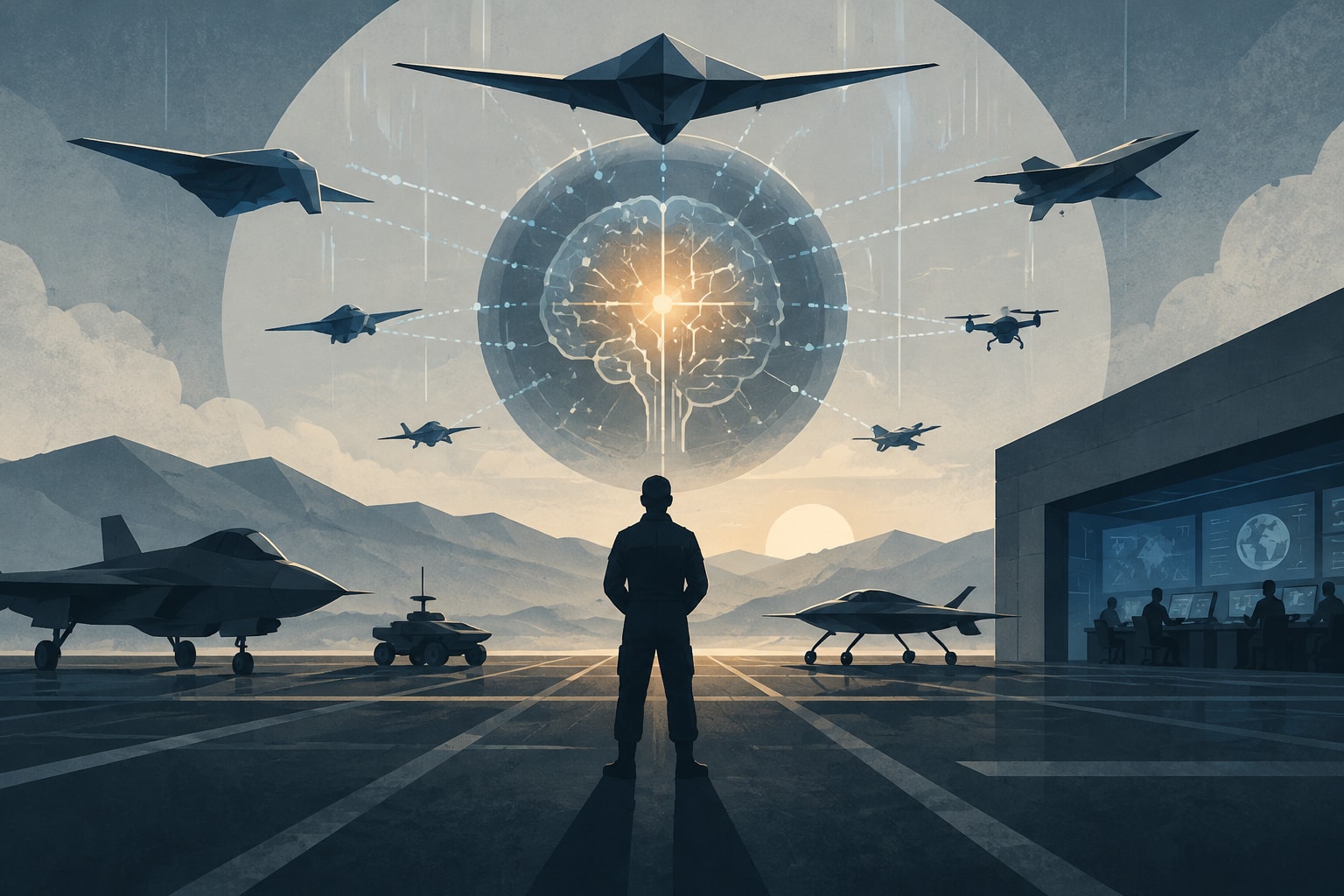
What's Happening
- •The Air Force has introduced Force Design 2026, focusing on artificial intelligence and autonomy.
- •This new design aims to enhance operational capabilities against emerging threats.
- •Integrated sensors will play a critical role in the Air Force's strategic operations moving forward.
Why It Matters
The implementation of Force Design 2026 is crucial for maintaining the U.S. Air Force's readiness in an increasingly complex security landscape. For service members and veterans, understanding these changes is essential for adapting to new operational requirements and ensuring that they remain competitive in their roles.
What Changes Now
- •The Air Force is shifting its focus towards AI and autonomy in operations. This means personnel will need to engage in new training programs to become proficient in these technologies.
- •Integrated sensors will become a standard part of Air Force operations. This change will require airmen to adapt to new data analysis methods and operational protocols.
- •The introduction of Force Design 2026 will lead to changes in how missions are planned and executed. Airmen will need to stay informed about new strategies and technologies being implemented.
What to Watch
- •Upcoming training programs related to AI and integrated sensors will be rolled out in early 2027. Personnel should prepare for these sessions to stay current with operational changes.
- •Initial technology demonstrations are scheduled for next year, which will showcase the capabilities of the new systems. Observing these demonstrations will provide insights into how these technologies will be used in the field.
- •Policy updates regarding personnel roles and responsibilities in the context of Force Design 2026 will be released soon. Staying informed about these changes will be critical for airmen involved in operations.
Get the Daily Briefing
Military and veteran news that actually affects you, in your inbox each morning.
More Context
- •Overview of Force Design 2026: The U.S. Air Force's Force Design 2026 represents a significant shift in military strategy, prioritizing the integration of artificial intelligence (AI) and autonomous systems. This initiative is designed to enhance the service's ability to respond to evolving threats, particularly in a rapidly changing global security environment. By leveraging advanced technology, the Air Force aims to improve its operational effectiveness and maintain a competitive edge over potential adversaries.
- •Impact on Personnel and Operations: The adoption of this new force design will directly affect various personnel, particularly those in roles related to technology integration and operational planning. Airmen in technical fields, such as 1B4X1 Cyber Warfare Operations and 2W1X1 Munitions Systems, will need to adapt to new systems and processes as the Air Force implements AI-driven solutions. This shift may also require additional training and professional development to ensure that personnel are equipped to handle advanced technologies.
- •Strategic Importance of Integrated Sensors: Integrated sensors will be a cornerstone of the Air Force's new operational framework, enabling real-time data collection and analysis. This capability will enhance situational awareness and decision-making processes, allowing commanders to respond more effectively in dynamic environments. As the Air Force invests in these technologies, personnel will need to understand how to utilize and interpret data generated by these systems to maximize their effectiveness in the field.
- •Future Developments to Monitor: As the Air Force rolls out Force Design 2026, service members should keep an eye on upcoming training programs and technology demonstrations. The Air Force plans to conduct a series of exercises to test the effectiveness of these new systems, with initial trials expected to begin in early 2027. Additionally, updates on policy changes related to personnel training and operational guidelines will be crucial for those directly involved in implementing these new technologies.
Frequently Asked Questions
How will Force Design 2026 affect my role as an airman?
Force Design 2026 will require airmen to adapt to new technologies and operational methods, particularly in technical roles.
Will there be training for the new AI systems?
Yes, the Air Force plans to implement training programs to ensure personnel are proficient in using AI and integrated sensor technologies.
What should I do to prepare for these changes?
Stay informed about upcoming training sessions and policy updates related to Force Design 2026 to ensure you are ready for the transition.
The Daily Briefing
Military & veteran news that actually affects you — delivered every morning.
- Pay, benefits & policy changes
- Pentagon decisions that matter
- VA updates for veterans & families
- One email. No spam. Unsubscribe anytime.
Related Stories
- AI Penetration Testing Cannot Replace Independent Cybersecurity Assurance— Federal News Network
- USAF Seeks Contractor for KC-46 Tanker Software Integration— Air & Space Forces Magazine
- Converted Fishing Trawlers Proposed to Counter Russian Submarines in the Arctic— Defense News
- Israeli Defense Company Unveils New Trigger for Drone Interception— Defense News