AI Penetration Testing Cannot Replace Independent Cybersecurity Assurance
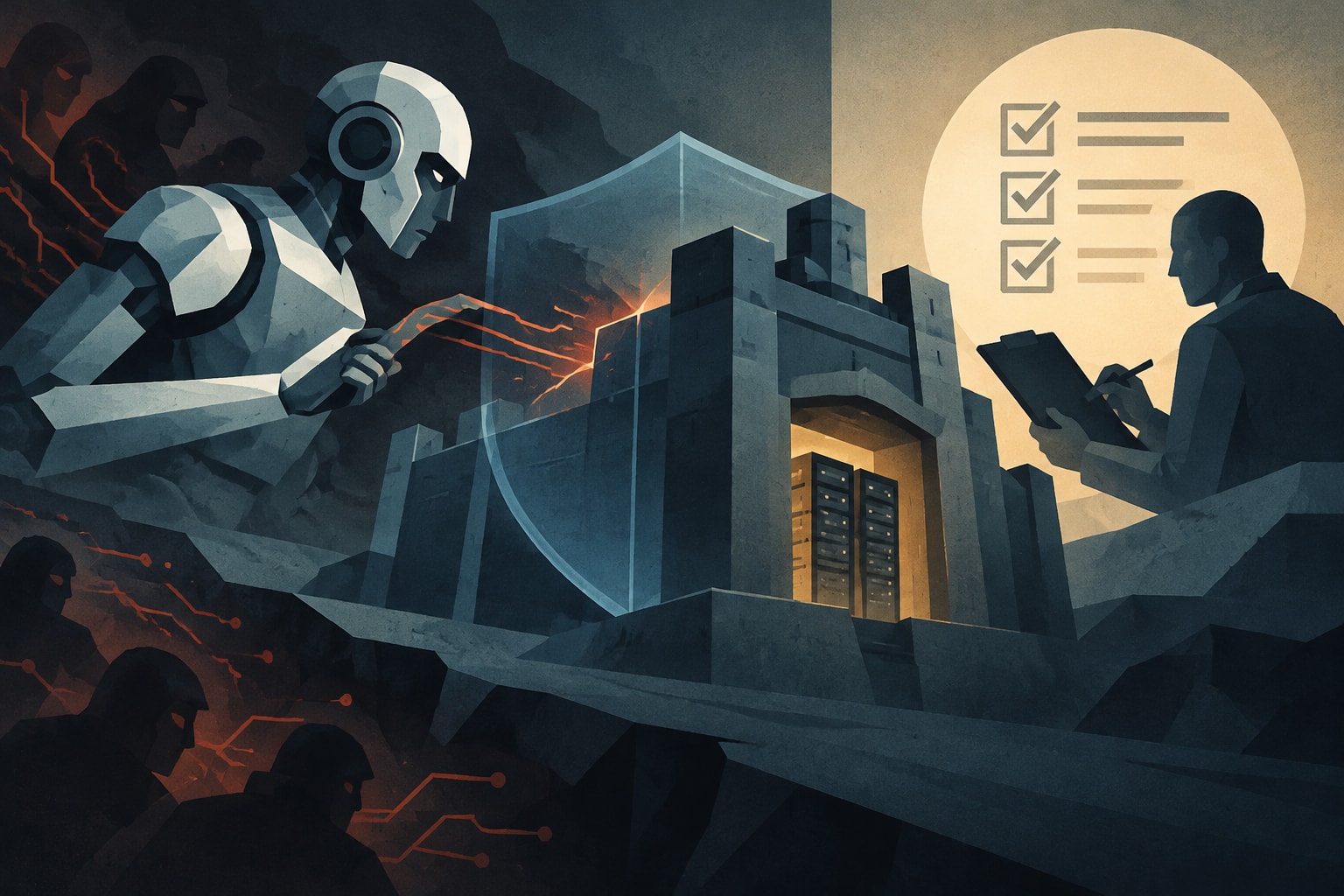
AI alone cannot ensure all cybersecurity safeguards are in place, impacting military operations.
What's Happening
- •AI penetration testing is increasingly used in cybersecurity assessments.
- •Concerns are rising about AI's inability to fully verify compliance with cybersecurity standards.
- •Independent cybersecurity assessments remain crucial for safeguarding sensitive military data.
Why It Matters
For military personnel, understanding the limitations of AI in cybersecurity is crucial. As the military relies more on technology, ensuring that all safeguards are in place is essential to protect sensitive information and maintain operational integrity.
What Changes Now
- •Military cybersecurity protocols will emphasize the need for independent assessments alongside AI tools. This change ensures that all vulnerabilities are identified and addressed effectively.
- •Training programs for cybersecurity personnel will incorporate lessons on the limitations of AI. This will prepare service members to better understand and mitigate risks in their operations.
- •Defense contractors will be required to adhere to stricter cybersecurity compliance measures. This change is critical to safeguarding sensitive data shared with military entities.
What to Watch
- •Upcoming guidelines from the Department of Defense on AI usage in cybersecurity will be released in early 2027. These guidelines will shape how military organizations integrate AI into their cybersecurity frameworks.
- •The establishment of new training programs for cybersecurity personnel is expected within the next year. These programs will focus on the interplay between AI technologies and independent assessments.
- •Legislation regarding cybersecurity funding for independent assessments is anticipated in the next congressional session. This could impact how military installations allocate resources for cybersecurity measures.
Get the Daily Briefing
Military and veteran news that actually affects you, in your inbox each morning.
More Context
- •The Role of AI in Cybersecurity: Artificial Intelligence (AI) has emerged as a pivotal tool in cybersecurity, particularly for penetration testing. This technology can simulate attacks on systems to identify vulnerabilities, providing valuable insights into potential breaches. However, while AI can enhance the efficiency of these tests, it cannot independently verify that all necessary safeguards are in place. This limitation raises questions about the reliability of AI-driven assessments, especially in military contexts where data security is paramount.
- •Importance of Independent Assessments: Independent cybersecurity assessments are essential for ensuring that all Controlled Unclassified Information (CUI) is properly managed and secured. These assessments involve human experts who can evaluate systems with a comprehensive understanding of regulatory requirements and potential threats. For military installations and defense contractors, relying solely on AI could lead to overlooked vulnerabilities, putting sensitive information at risk. Thus, maintaining a balance between AI tools and human oversight is crucial for effective cybersecurity.
- •Implications for Military Personnel: Active duty service members, particularly those in cybersecurity roles such as 17D Cyber Operations Specialists, must understand the limitations of AI in their field. As military operations increasingly integrate advanced technologies, the need for robust cybersecurity measures becomes more critical. This reality underscores the importance of ongoing training and awareness regarding both AI capabilities and the necessity of independent assessments. Cybersecurity professionals must advocate for comprehensive strategies that incorporate both AI and human expertise.
- •Future Considerations: As AI technology continues to evolve, military organizations must adapt their cybersecurity strategies accordingly. Future developments in AI could enhance its capabilities, but the reliance on independent assessments will likely remain. Decision-makers in the Department of Defense should prioritize funding for independent cybersecurity evaluations to complement AI tools. This approach will ensure that military systems remain resilient against evolving cyber threats.
Frequently Asked Questions
Does this affect Guard members on Title 10 orders?
Yes, Guard members on Title 10 orders will need to comply with the same cybersecurity standards, including independent assessments.
Will my BAH change if I move duty stations mid-year?
Your Basic Allowance for Housing (BAH) will be adjusted based on your new duty station's rates, effective the month you report to your new location.
The Daily Briefing
Military & veteran news that actually affects you — delivered every morning.
- Pay, benefits & policy changes
- Pentagon decisions that matter
- VA updates for veterans & families
- One email. No spam. Unsubscribe anytime.
Related Stories
- USAF Seeks Contractor for KC-46 Tanker Software Integration— Air & Space Forces Magazine
- B-21 Raider Successfully Completes First Weapons Release Test— Air & Space Forces Magazine
- Army Designates Two New Sites for Drone Technology Testing— DefenseScoop
- Sgt. 1st Class Oscar M. McGrew Awarded Bronze Star for Valor— Task & Purpose