Air Force's New Force Design 2026 Emphasizes AI and Autonomy
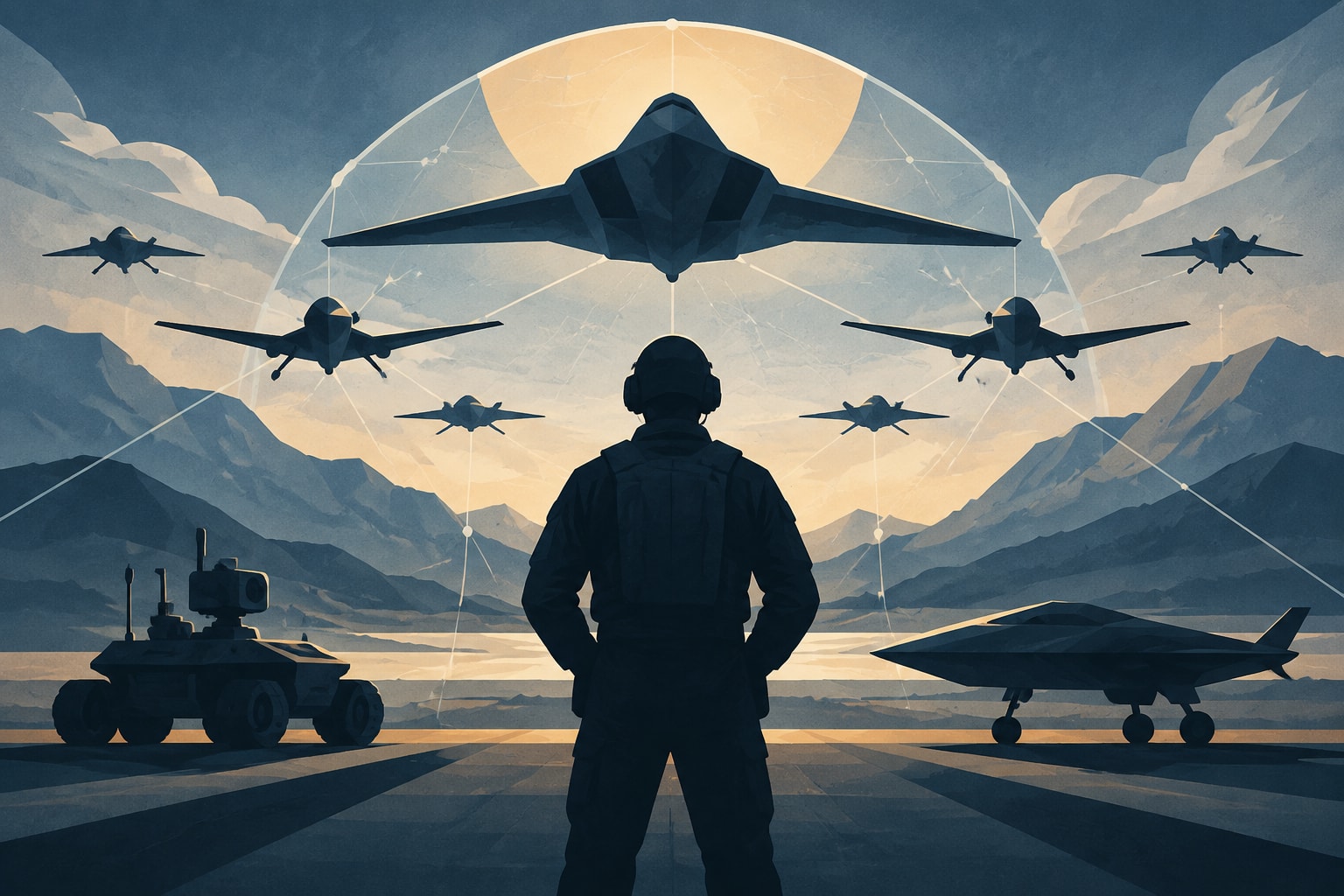
The Air Force's Force Design 2026 outlines a strategic pivot towards artificial intelligence and integrated sensors.
What's Happening
- •The Air Force has unveiled its Force Design 2026 initiative.
- •This new strategy emphasizes artificial intelligence and autonomous systems.
- •The goal is to enhance capabilities against emerging military threats.
Why It Matters
The Air Force's adoption of Force Design 2026 is a critical step in modernizing military operations, particularly for service members in technical fields. As AI and autonomous systems become integral to military strategy, understanding these changes will be essential for all ranks, especially those involved in operations and maintenance of advanced technologies.
What Changes Now
- •The Air Force will begin integrating AI and autonomous systems into its operations. This change will affect training requirements and operational procedures for personnel involved in technology and systems management.
- •New training programs focused on AI and autonomy will be developed. Personnel in relevant fields will need to participate in these programs to stay current with evolving technologies.
- •Operational protocols will be updated to incorporate new technologies. This will ensure that service members are prepared to utilize AI and autonomous systems effectively during missions.
What to Watch
- •Watch for announcements regarding new training initiatives related to Force Design 2026. These will likely be rolled out in the coming months as the Air Force seeks to implement its new strategy.
- •Monitor updates on the integration of autonomous systems in Air Force operations. The timeline for full implementation may vary, but early adopters will set the stage for future developments.
- •Keep an eye on how these changes impact military readiness assessments. Decision-makers will evaluate the effectiveness of AI and autonomy in enhancing operational capabilities.
Get the Daily Briefing
Military and veteran news that actually affects you, in your inbox each morning.
More Context
- •Overview of Force Design 2026: The U.S. Air Force's Force Design 2026 represents a significant shift in military strategy, focusing on the integration of artificial intelligence (AI) and autonomous systems. This initiative aims to modernize the Air Force's operational capabilities to better respond to evolving threats in a complex global landscape. By leveraging advanced technologies, the Air Force seeks to enhance situational awareness, improve decision-making processes, and increase operational efficiency. The emphasis on integrated sensors will allow for better data collection and analysis, enabling faster and more accurate responses during missions.
- •Impact on Personnel and Operations: Active duty personnel, particularly those in technology-focused roles such as 1C4X1 (Cyber Operations) and 2W1X1 (Munitions Systems), will see direct implications from this new strategy. As the Air Force adopts more autonomous systems, training and operational protocols will evolve to incorporate these technologies, requiring service members to adapt to new tools and methodologies. This shift may also necessitate additional training programs to ensure that personnel are equipped with the skills needed to operate and maintain advanced systems effectively.
- •What This Means for Future Readiness: The focus on AI and autonomy is not just about improving current capabilities; it also aims to prepare the Air Force for future conflicts. By integrating these technologies, the Air Force can enhance its deterrence posture and maintain a competitive edge against adversaries. This proactive approach to modernization is crucial as global military dynamics continue to shift, and the demand for rapid response capabilities increases. The success of Force Design 2026 will depend on effective implementation and the ability to integrate new technologies seamlessly into existing operations.
Frequently Asked Questions
Does this affect Guard members on Title 10 orders?
Yes, the integration of AI and autonomous systems under Force Design 2026 will impact all Air Force components, including the Air National Guard, especially those on Title 10 orders.
Will my job change if I work in tech support?
Yes, personnel in technical roles will likely see changes in job responsibilities as the Air Force implements new technologies. Training will be provided to help adapt to these changes.
The Daily Briefing
Military & veteran news that actually affects you — delivered every morning.
- Pay, benefits & policy changes
- Pentagon decisions that matter
- VA updates for veterans & families
- One email. No spam. Unsubscribe anytime.
Related Stories
- AI Penetration Testing Cannot Replace Independent Cybersecurity Assurance— Federal News Network
- USAF Seeks Contractor for KC-46 Tanker Software Integration— Air & Space Forces Magazine
- Air Force Increases Maintenance Manpower Amid Career Field Overhaul— Air & Space Forces Magazine
- Innovative Drone Technologies Enhance Military Capabilities— Military Times