Turkey Seeks Larger EU Defense Role Amidst NATO Doubts
Ankara asserts its importance in European defense as questions arise about the U.S. commitment to NATO.
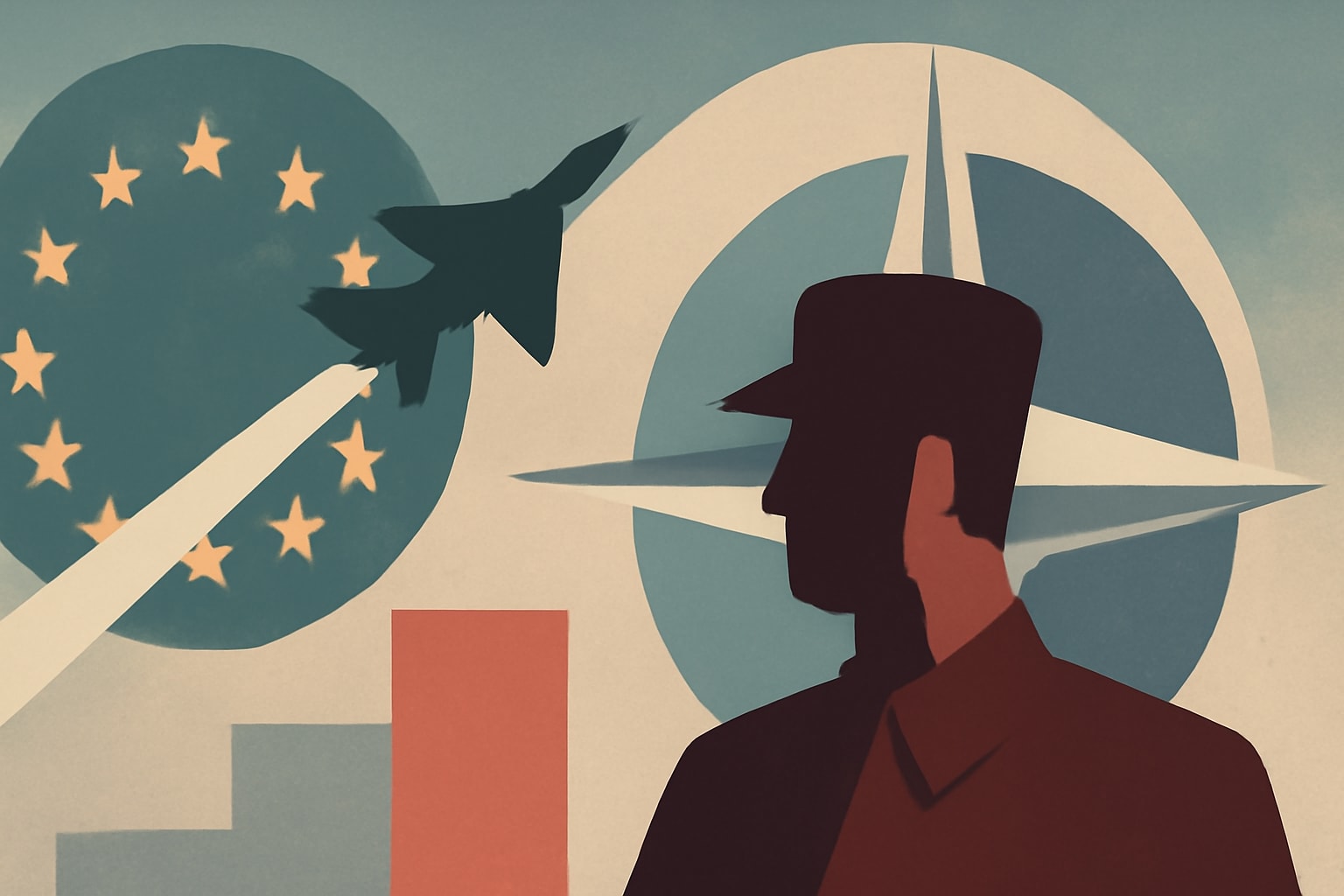
What's Happening
- •Turkey's defense minister warns that excluding Ankara from EU defense initiatives would be detrimental.
- •Turkey emphasizes its strategic military position and capabilities as reasons for its inclusion in European defense.
- •Tensions between Turkey and some EU countries complicate defense cooperation efforts.
Why It Matters
The shifting landscape of European defense is crucial for military readiness and international operations. Understanding Turkey's role and its implications for NATO is essential for service members and veterans engaged in global security efforts.
What Changes Now
- •Increased scrutiny of Turkey's involvement in EU defense matters is expected. This will impact how NATO and EU members collaborate on security initiatives.
- •Turkey's push for a more significant role in European defense could lead to adjustments in NATO's strategic planning. Service members may need to adapt to new operational frameworks as these changes unfold.
- •Political tensions between Turkey and certain EU nations may hinder collaborative defense efforts. This could affect the effectiveness of NATO operations and future deployments.
What to Watch
- •Future discussions regarding Turkey's participation in EU defense initiatives are on the horizon. The outcomes of these talks will influence NATO's overall cohesion and operational strategies.
- •The evolution of U.S.-Turkey relations is critical to watch. Decisions made by U.S. policymakers will have significant implications for NATO's unity and security posture in Europe.
- •The implementation of the Strategic Compass, a new EU defense strategy, will unfold over the next decade. Its impact on NATO and Turkey's role in European defense will be pivotal.
Get the Daily Briefing
Military and veteran news that actually affects you, in your inbox each morning.
More Context
- •Turkey's Strategic Position in European Defense: Turkey's defense minister, Hulusi Akar, recently stated that sidelining Turkey from European Union defense initiatives would be more damaging than a potential withdrawal of U.S. troops from Europe. This assertion highlights Turkey's belief in its critical role within the European security framework, particularly given its geographical proximity to conflict zones in Syria, Iraq, and Iran. With the second largest military in NATO, Turkey's participation in defense initiatives is seen as essential for maintaining regional stability and addressing common threats such as terrorism and illegal migration.
- •The Impact of Political Tensions: Political relations between Turkey and certain EU nations, especially Greece and Cyprus, have been strained due to disputes over maritime boundaries and energy exploration rights. These tensions raise significant questions about Turkey's ability to collaborate effectively within EU defense projects, such as the Permanent Structured Cooperation (PESCO), which aims to enhance military cooperation among EU states. Some EU members are advocating for sanctions against Turkey, further complicating the potential for a unified defense approach.
- •The Future of EU Defense Initiatives: As the EU seeks to bolster its defense capabilities and reduce reliance on the United States, the inclusion of non-EU NATO members like Turkey remains a contentious topic. Initiatives like PESCO, which has 46 collaborative projects underway, are designed to foster closer defense cooperation among EU member states. However, the debate over Turkey's involvement reflects broader concerns about ensuring that EU defense initiatives complement NATO rather than compete with it, especially in light of Turkey's recent acquisition of the Russian S-400 missile defense system.
- •Implications for U.S. Military Personnel: The evolving dynamics of Turkey's role in European defense have direct implications for U.S. service members and veterans. Changes in NATO's operational strategies and Turkey's involvement could affect future deployments, military training exercises, and equipment interoperability. Veterans who have previously served alongside Turkish forces may need to navigate a more complex geopolitical landscape, underscoring the importance of understanding these shifting alliances.
Veteran Take
For those who've served, the evolving dynamics within NATO and Turkey's push for a larger role in European defense highlight the complexities of global military alliances. We understand that any shift in defense strategies can directly impact our readiness and international operations. It's crucial for veterans to stay informed about these developments, as they affect not only current service members but also the broader implications for our national security.
The Daily Briefing
Military & veteran news that actually affects you — delivered every morning.
- Pay, benefits & policy changes
- Pentagon decisions that matter
- VA updates for veterans & families
- One email. No spam. Unsubscribe anytime.
Related Stories
- Army Releases ‘Know the Threat’ Guide on Iranian Soldiers— Task & Purpose
- US Army Awards $43 Million to Kaizen Laboratories for Software Development— Army Times
- Congressional Report Raises Concerns Over Marine Corps ACVs— Marine Corps Times
- A German U-Boat Intruded into Newport Harbor During World War I— Army Times