Trump Chides NATO Again Over Iran Operations Support
President Trump publicly criticized NATO for its alleged failure to support U.S. operations in Iran, escalating tensions after a private meeting with NATO's Secretary General.
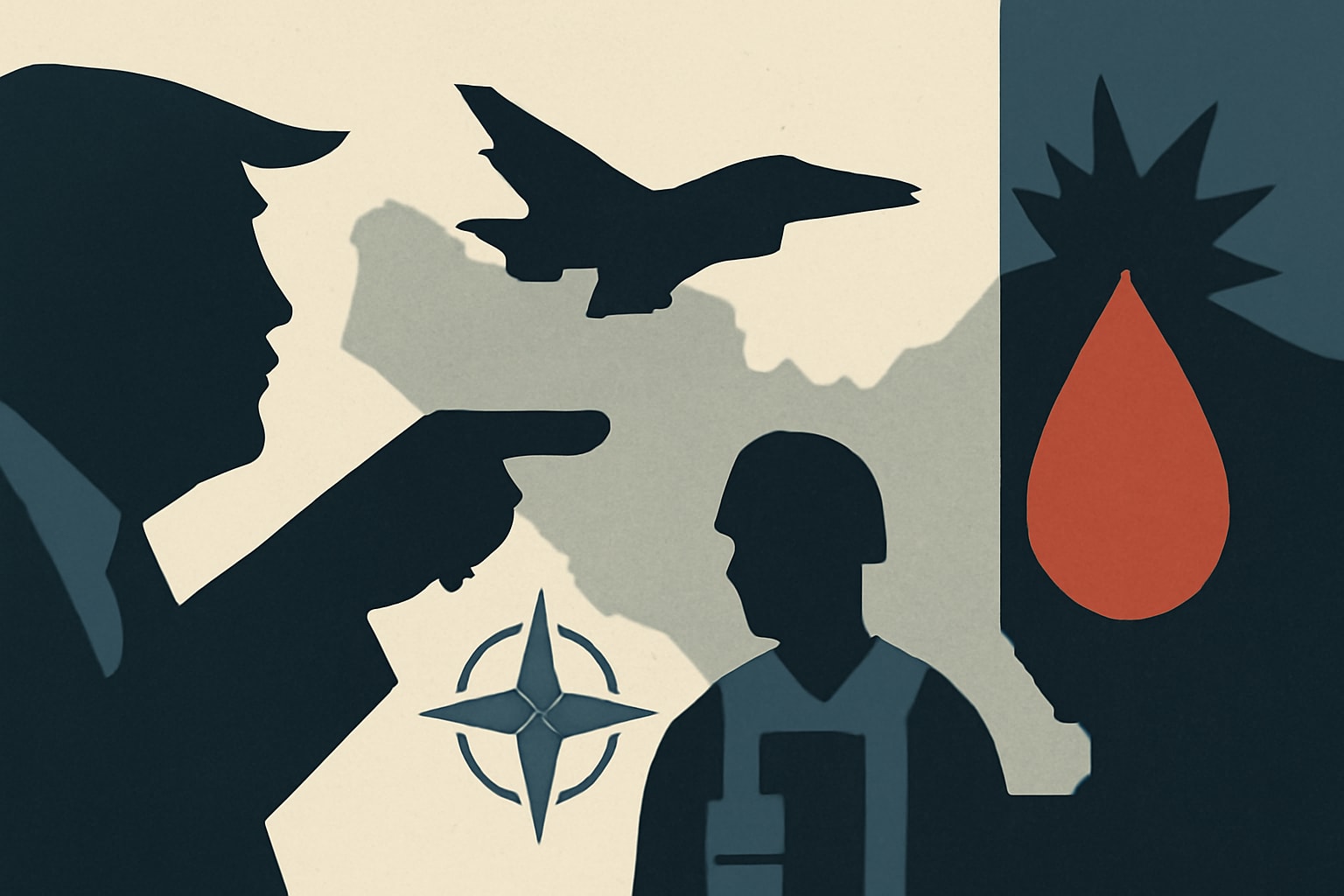
What's Happening
- •President Trump criticized NATO for not providing sufficient support for U.S. operations in Iran during remarks on April 9, 2026.
- •The criticism followed a private meeting with NATO Secretary General Mark Rutte at the White House.
- •Trump's comments reflect ongoing tensions regarding military strategy and burden-sharing within NATO.
Why It Matters
The ongoing tensions between the U.S. and NATO could have significant implications for military families, particularly regarding potential deployments and resource allocation. A weakened alliance may lead to increased operational demands on U.S. service members and could impact military readiness and benefits.
What Changes Now
- •Increased scrutiny of NATO contributions to U.S. foreign policy objectives is expected. This change may lead to heightened discussions on burden-sharing among member states.
- •Potential shifts in U.S. military strategy in the Middle East could occur as a result of the criticism. These shifts may involve reallocating resources or adjusting operational plans to enhance NATO collaboration.
- •The U.S. may increase pressure on NATO allies to fulfill their defense spending commitments. This could impact future military exercises and cooperative missions in the region.
What to Watch
- •NATO's official response to President Trump's criticism is anticipated. The timing of this response will be crucial in assessing the alliance's unity and direction.
- •The upcoming NATO summit will likely focus on discussions regarding burden-sharing and collective defense strategies. Decisions made at this summit could reshape NATO's approach to global security threats.
- •Future diplomatic efforts between the U.S. and NATO allies will be essential to maintaining alliance cohesion. Monitoring these efforts will provide insight into the effectiveness of U.S. foreign policy in the region.
Get the Daily Briefing
Military and veteran news that actually affects you, in your inbox each morning.
More Context
- •Ongoing Tensions with NATO: On April 9, 2026, President Trump publicly addressed NATO's lack of support for U.S. military operations in Iran, emphasizing the need for greater contributions from member states. This statement followed a private meeting with NATO Secretary General Mark Rutte, highlighting the ongoing friction between the U.S. and its allies regarding military strategy and resource allocation in the Middle East. Trump's criticism is not new; he has consistently urged NATO allies to increase their military and financial commitments, arguing that threats from Iran are a concern for all member nations, not just the U.S.
- •NATO's Response and Contributions: While specific details of Trump's grievances were not disclosed, sources suggest that NATO Secretary General Rutte pointed out the alliance's existing contributions to regional security during their meeting. These contributions include intelligence sharing, logistical support, and the deployment of NATO forces in countries neighboring Iran, all aimed at deterring Iranian aggression. Rutte's office has yet to issue a formal response to Trump's remarks, but the emphasis on NATO's role in regional stability remains a key aspect of the alliance's strategy.
- •Implications for U.S. Military Strategy: The timing of Trump's public criticism comes amid sensitive negotiations between the U.S. and Iran regarding nuclear proliferation and regional stability. Analysts suggest that Trump's approach may be intended to strengthen the U.S. negotiating position by showcasing a united front against Iran, while others interpret it as a genuine expression of frustration over perceived inadequate support from NATO allies. This ongoing dispute raises significant concerns about the future of NATO's cohesion and effectiveness in addressing evolving global security threats.
- •Looking Ahead: The Future of NATO: As tensions between the U.S. and NATO continue, the implications for international security are profound. A divided alliance could embolden adversaries and undermine efforts to maintain global stability. Conversely, a unified NATO would be better equipped to tackle the complex challenges of today's security landscape. The coming months will be critical in determining how NATO members respond to Trump's criticisms and whether diplomatic efforts can bridge the divide, ensuring the alliance's strength and adaptability in the face of new threats.
Veteran Take
For those who've served, the ongoing tensions between the U.S. and NATO are more than just political posturing; they represent real concerns about our military's readiness and the burden placed on our troops. Veterans navigating this landscape understand that weakened alliances can lead to increased deployments and strain on resources, ultimately affecting not just service members but their families as well. Anyone who's dealt with the complexities of military operations knows that every decision at the top has a direct impact on those of us who have worn the uniform.
The Daily Briefing
Military & veteran news that actually affects you — delivered every morning.
- Pay, benefits & policy changes
- Pentagon decisions that matter
- VA updates for veterans & families
- One email. No spam. Unsubscribe anytime.
Related Stories
- U.S. Army Awards $43 Million for New Software Platform on Classified Materials— Military Times
- Pentagon Raises Iran War Death Toll to 21— Task & Purpose
- US Forces Mobilize to Help Panama After Major Earthquake— Task & Purpose
- U.S. Army Releases Quick-Recognition Guide for Iranian Soldiers— Military Times