US Army Goes Into the Breach — Without Soldiers
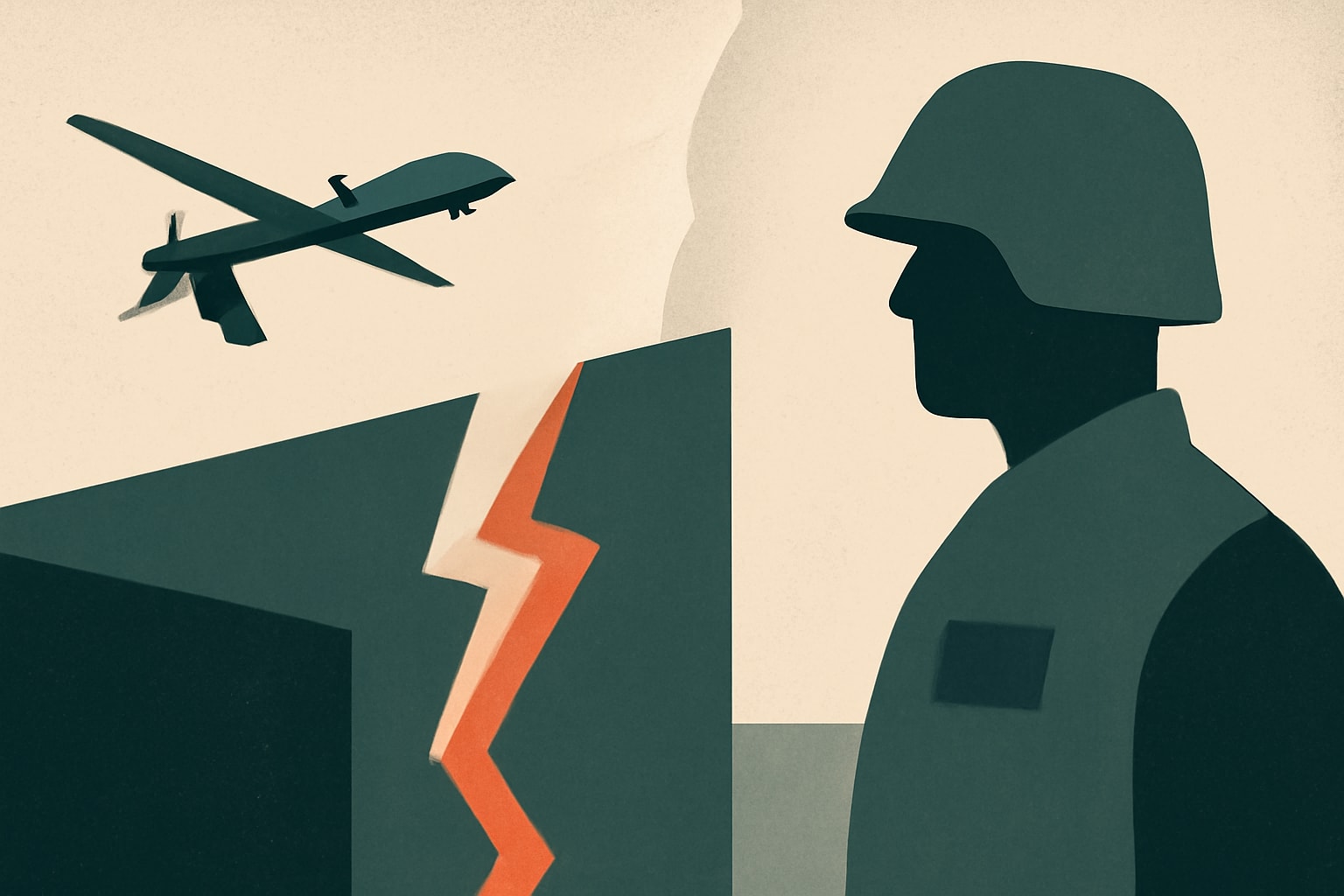
The Army is experimenting with drones for missions traditionally requiring soldiers, marking a significant shift in military operations.
What's Happening
- •The US Army is testing the use of drones for missions that would typically require soldiers.
- •This initiative aims to reduce risks to personnel in dangerous environments.
- •Drones are being deployed to gather intelligence and perform reconnaissance.
Why It Matters
The transition to drone technology in the Army signifies a major shift in military operations, impacting how missions are conducted and how soldiers are trained. This change not only aims to protect personnel but also reflects the evolving nature of warfare, where technology plays a crucial role in achieving strategic objectives.
What Changes Now
- •The Army is actively testing drones for various missions. This means soldiers may see less direct involvement in certain operations as unmanned systems take on more roles.
- •Training programs will begin to incorporate drone operation and management. Soldiers will need to learn new skills to work alongside these technologies effectively.
- •Units will need to adapt their strategies to integrate drones into their operational plans. This could lead to changes in how missions are structured and executed.
What to Watch
- •Upcoming evaluations of drone effectiveness in combat scenarios. These evaluations will help determine the future integration of drones into standard operations.
- •Changes in training programs to include drone technology. The Army is expected to roll out new curricula in the coming months to prepare soldiers for these advancements.
- •Policy decisions regarding the ethical use of drones in combat. As drone usage increases, military leaders will need to address accountability and operational guidelines.
Get the Daily Briefing
Military and veteran news that actually affects you, in your inbox each morning.
More Context
- •The Shift to Drone Technology: The US Army's decision to utilize drones in place of soldiers represents a significant evolution in military strategy. Historically, missions labeled 'into the breach' involved high-risk deployments of infantry units. By integrating drone technology, the Army aims to minimize casualties while maintaining operational effectiveness. This shift not only reflects advancements in technology but also a changing battlefield landscape where unmanned systems can gather intelligence and support operations without putting soldiers in harm's way.
- •Operational Implications: The operational implications of using drones are vast, affecting how missions are planned and executed. For example, units that previously relied on infantry for reconnaissance can now deploy drones to gather real-time data from a safe distance. This change allows for faster decision-making and potentially more successful outcomes in complex environments. However, it also raises questions about the future roles of soldiers in combat scenarios, as reliance on technology increases.
- •Impact on Soldiers and Units: Active duty soldiers, particularly those in combat arms MOSs such as 11B (Infantryman) and 19D (Cavalry Scout), may see changes in their training and operational roles. As the Army integrates more unmanned systems, there will be a need for soldiers to adapt to new technologies and learn how to operate alongside drones. This evolution could lead to a redefinition of roles within units, emphasizing the importance of tech-savvy personnel who can manage and interpret data from these systems.
- •Future Considerations: Looking ahead, the Army's embrace of drone technology raises important questions about the balance between human and machine in warfare. As drones become more prevalent, military leaders must consider ethical implications, including accountability in combat situations. Additionally, the Army will need to invest in training programs to ensure that soldiers are prepared to work effectively with these advanced systems. The outcome of these initiatives will shape the future of military operations and the role of personnel on the battlefield.
Frequently Asked Questions
How will this affect my deployment as a soldier?
Soldiers may experience fewer direct combat deployments as drones take on reconnaissance and intelligence roles.
Will I need to learn how to operate drones?
Yes, training programs will include drone operation to prepare soldiers for future missions involving unmanned systems.
What are the implications for combat roles in the Army?
Combat roles may evolve as technology changes, requiring soldiers to adapt to new operational strategies and tools.
Veteran Take
For those who've served, the shift towards drone technology raises important questions about the future of military engagement. While the use of drones can enhance safety and efficiency, it also challenges the traditional roles of soldiers and how we view the human element in warfare. Veterans navigating this transition may feel a mix of pride in technological advancement and concern for the implications it has on the brotherhood and camaraderie that comes with serving on the front lines.
The Daily Briefing
Military & veteran news that actually affects you — delivered every morning.
- Pay, benefits & policy changes
- Pentagon decisions that matter
- VA updates for veterans & families
- One email. No spam. Unsubscribe anytime.
Related Stories
- Air Force Successfully Tests New Sentinel ICBM Reentry Vehicle— Air & Space Forces Magazine
- B-2 Stealth Bomber Returns to Whiteman AFB After Depot Maintenance— Air & Space Forces Magazine
- US Army Enhances Counter-Drone Technology Amid Rising Cartel Threats— Defense News
- Air and Space Forces Meet Recruitment Goals, Aim Higher for 2027— Military Times