Northcom General Raises Alarm on Weak Drone Defenses in the Homeland
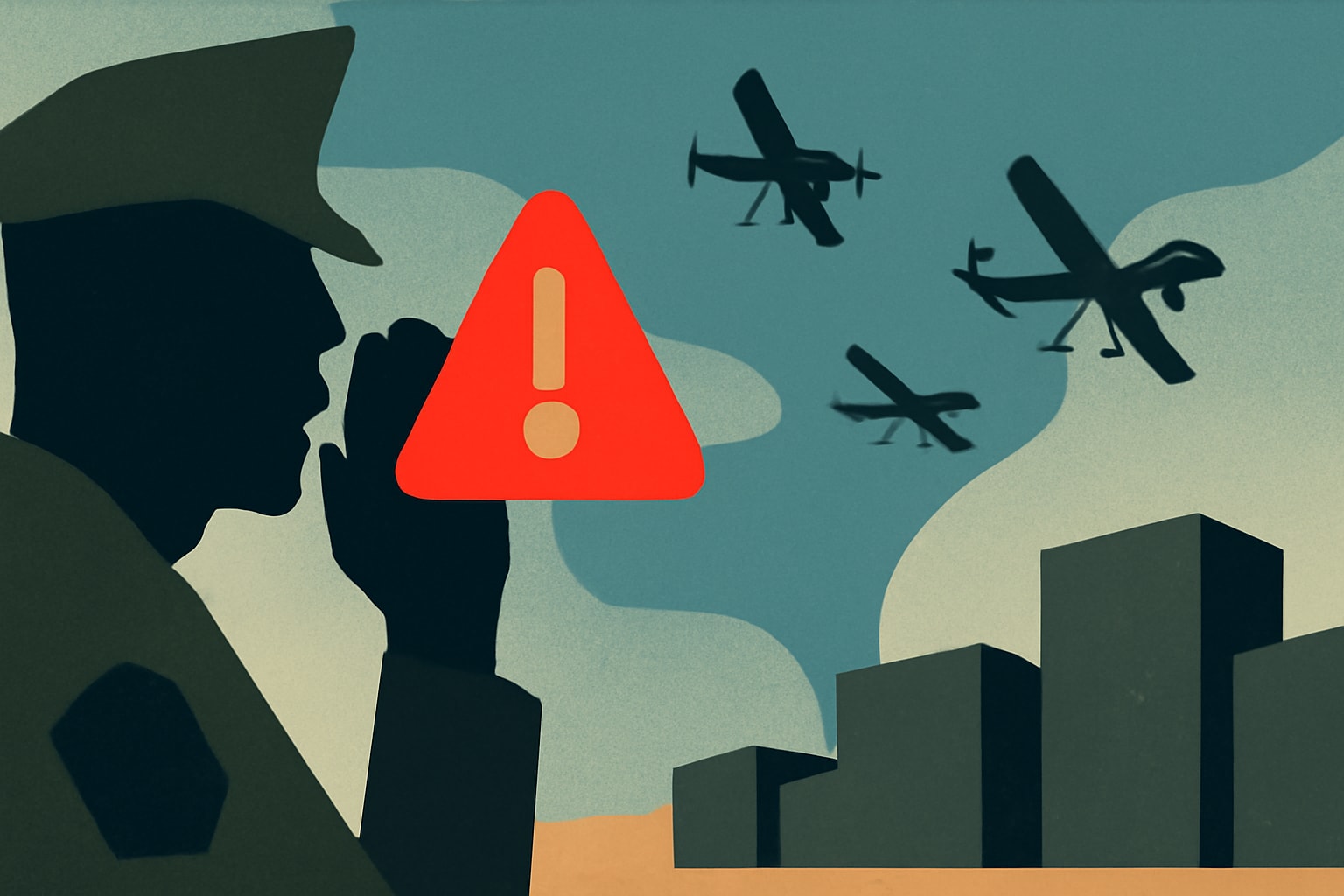
Army Lt. Gen. Joseph Jarrard emphasizes the urgent need to address vulnerabilities in U.S. drone defense systems.
What's Happening
- •Army Lt. Gen. Joseph Jarrard has issued warnings about the inadequacies of U.S. drone defenses.
- •He noted that drone swarms are being utilized globally and pose a significant threat.
- •Current defense systems are not equipped to effectively counter these evolving threats.
Why It Matters
The warnings from Lt. Gen. Jarrard highlight a critical gap in U.S. national defense that could affect military operations and civilian safety. As drone technology becomes more prevalent, understanding and addressing these vulnerabilities is essential for maintaining security both at home and abroad.
What Changes Now
- •Military leadership is urged to reassess current drone defense strategies. This reassessment may involve reallocating resources and prioritizing new technology development to enhance defense capabilities.
- •Service members may receive updated training protocols focused on drone defense. These changes will help prepare them for potential threats posed by drone swarms during operations.
- •Increased collaboration with technology firms is expected to begin. This partnership aims to expedite the development of effective counter-drone systems.
What to Watch
- •Watch for announcements regarding new funding for drone defense technologies. This funding could significantly impact the development of countermeasures in the coming fiscal year.
- •Keep an eye on upcoming military exercises that may incorporate new drone defense strategies. These exercises will provide insights into how the military plans to address current vulnerabilities.
- •Monitor legislative discussions on defense appropriations related to drone technology. Decisions made in Congress will influence the pace and direction of improvements in drone defense systems.
Get the Daily Briefing
Military and veteran news that actually affects you, in your inbox each morning.
More Context
- •Current State of U.S. Drone Defense: The U.S. military's drone defense capabilities have come under scrutiny as threats from drone swarms increase worldwide. Lt. Gen. Joseph Jarrard, the commander of North American Aerospace Defense Command (NORAD) and U.S. Northern Command (NORTHCOM), highlighted the need for improved systems to counter these aerial threats. Despite advancements in technology, the military has yet to develop effective countermeasures against the growing use of drones in combat and surveillance operations. This gap in defense capabilities raises concerns about the protection of critical infrastructure and military installations within the homeland.
- •Implications for Military Readiness: The vulnerabilities in drone defense systems can have serious implications for military readiness and national security. As drone technology evolves, adversaries may exploit these weaknesses to conduct surveillance or even attacks on U.S. soil. This situation necessitates a reevaluation of current defense strategies and investment in new technologies to ensure that the military can effectively respond to these threats. The potential for drone swarms to disrupt operations or target military personnel underscores the urgency of addressing these gaps in defense.
- •Who is Affected by These Warnings?: Active duty service members, particularly those in combat roles such as infantry (11B) and air defense artillery (14A), are directly affected by the warnings from Lt. Gen. Jarrard. Additionally, National Guard and Reserve personnel, especially those involved in homeland defense operations, must be prepared for the implications of weak drone defenses. The lack of effective countermeasures could impact their safety and operational effectiveness during both training and real-world missions.
- •Next Steps for Military Leadership: Military leadership must prioritize the development of robust drone defense systems to mitigate these vulnerabilities. This includes investing in research and development of counter-drone technologies and enhancing training for service members on new defense protocols. Furthermore, collaboration with private sector technology firms could accelerate advancements in drone defense capabilities. As threats evolve, it will be crucial for military leaders to adapt quickly to ensure the safety and security of U.S. airspace.
Frequently Asked Questions
Does this affect Guard members on Title 10 orders?
Yes, Guard members on Title 10 orders may face increased risks due to vulnerabilities in drone defenses, impacting their operational security.
Will my unit receive new training on drone threats?
Units may receive updated training protocols focused on drone defense as military leadership prioritizes addressing these vulnerabilities.
What are the implications for military installations?
Weak drone defenses could expose military installations to surveillance or attacks, necessitating immediate action to enhance security measures.
The Daily Briefing
Military & veteran news that actually affects you — delivered every morning.
- Pay, benefits & policy changes
- Pentagon decisions that matter
- VA updates for veterans & families
- One email. No spam. Unsubscribe anytime.
Related Stories
- Space Force Explores Leasing Commercial Antennas for Satellite Management— Air & Space Forces Magazine
- U.S. F-35s Make Historic Debut in Military Exercise in India— Air & Space Forces Magazine
- USAF Strengthens Cyber Defense for Critical Infrastructure Amid Rising Threats— Air & Space Forces Magazine
- How Navy Submariners Stay Fit and Exercise at Sea— Military.com