Marines May Need 40 Amphibious Warfare Ships, General Says
A Marine Corps general highlights the necessity for a larger fleet of amphibious warfare ships amid ongoing deployment plans.
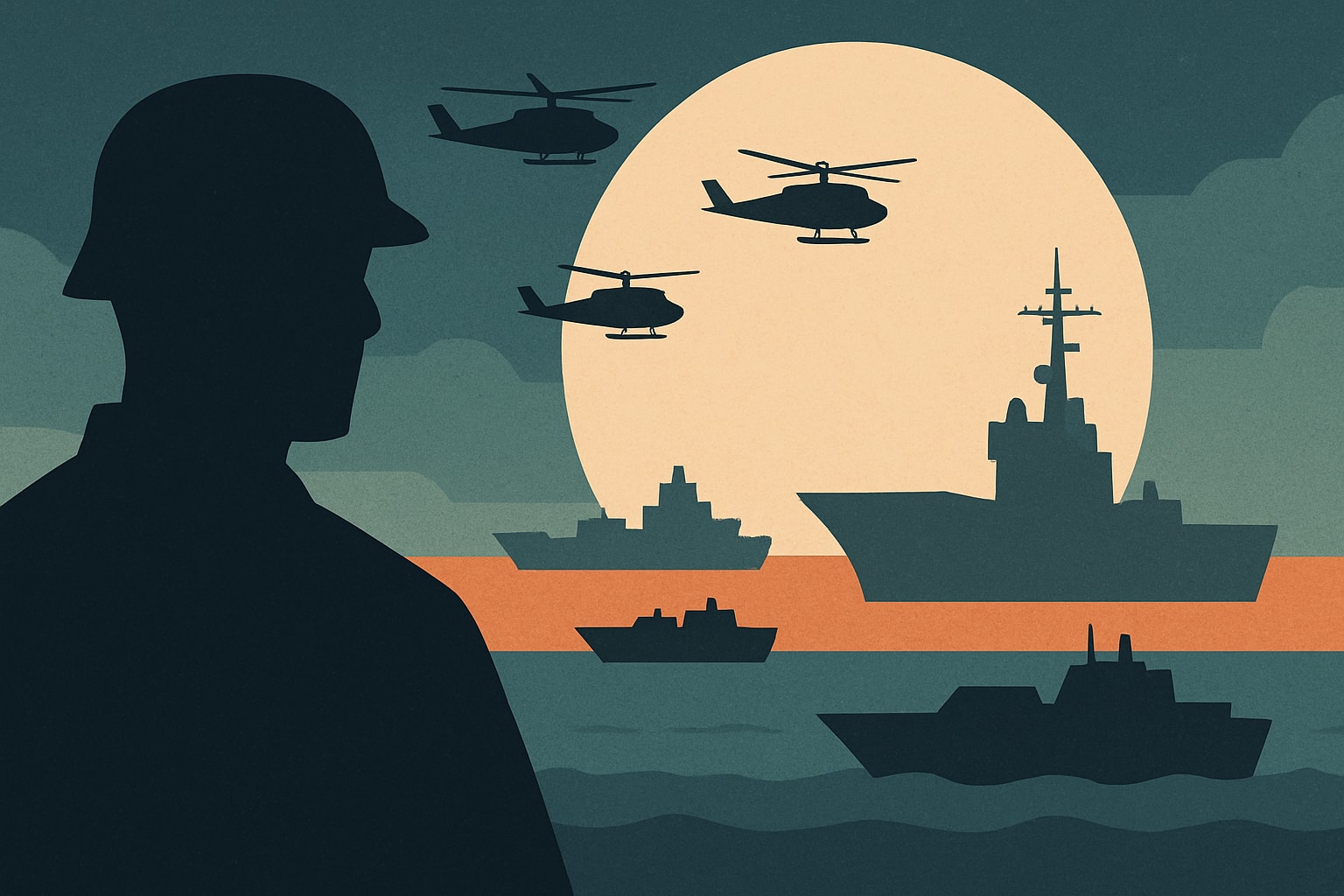
What's Happening
- •A Marine Corps general has stated that the service may require up to 40 amphibious warfare ships.
- •This announcement aligns with the Corps' plans to continuously deploy three Marine Expeditionary Units.
- •The discussion emphasizes the evolving needs of the Marine Corps in modern military operations.
Why It Matters
The Marine Corps' potential need for additional amphibious warfare ships highlights a strategic shift in military operations. This change is particularly relevant for active-duty Marines and veterans as it may affect deployment patterns and operational readiness.
What Changes Now
- •The Marine Corps is actively evaluating its fleet size and capabilities. This review is aimed at ensuring that the service can effectively respond to future military challenges.
- •Increased discussions around amphibious warfare ship requirements may lead to budget reallocations. This could impact funding for other military programs and initiatives.
- •The Corps may initiate new training programs to prepare personnel for enhanced amphibious operations. This will ensure that Marines are ready to operate effectively on a larger fleet.
What to Watch
- •Watch for upcoming budget proposals from the Marine Corps regarding amphibious warfare capabilities. These proposals will outline funding and resource allocation for the necessary ships.
- •Keep an eye on strategic military assessments that may influence the number of ships required. These assessments will be crucial in determining future operational readiness.
- •Monitor legislative discussions on military readiness and funding for amphibious operations. Decisions made in Congress will significantly impact the Corps' ability to expand its fleet.
Get the Daily Briefing
Military and veteran news that actually affects you, in your inbox each morning.
More Context
- •Need for Increased Amphibious Capability: The U.S. Marine Corps is reassessing its amphibious warfare capabilities in light of current global military demands. A general recently indicated that the Corps may need as many as 40 amphibious warfare ships to effectively support ongoing and future operations. This shift reflects a strategic pivot towards enhancing maritime capabilities, particularly as the Corps aims to maintain three Marine Expeditionary Units on continuous deployment. The increased number of ships would provide the necessary support for rapid response and operational flexibility in various theaters.
- •Strategic Importance of Amphibious Warfare Ships: Amphibious warfare ships play a critical role in the Marine Corps' ability to project power and respond to crises. These vessels are essential for transporting troops and equipment to shore during combat operations, making them vital for maintaining readiness in an unpredictable global environment. The push for a larger fleet underscores the importance of amphibious operations in modern warfare, particularly in regions where access to land bases may be limited. As geopolitical tensions rise, the need for robust amphibious capabilities becomes increasingly clear.
- •Implications for Marine Corps Personnel: The potential increase in amphibious warfare ships could have significant implications for Marine Corps personnel and their families. More ships mean more opportunities for deployment, training, and career advancement for Marines specializing in amphibious operations. However, it may also lead to increased operational tempo and demands on service members, necessitating a focus on mental health and family support resources. The Corps must balance the operational needs with the well-being of its personnel as it moves forward with this strategic initiative.
Veteran Take
For those who've served, the call for more amphibious warfare ships signals a significant shift in our military strategy that could reshape how we engage in operations. Veterans navigating this will likely reflect on their own experiences and understand the importance of having the right tools for the job, especially in unpredictable environments. It's crucial that we ensure our active-duty Marines are equipped and ready, as their success directly impacts the legacy we leave behind.
The Daily Briefing
Military & veteran news that actually affects you — delivered every morning.
- Pay, benefits & policy changes
- Pentagon decisions that matter
- VA updates for veterans & families
- One email. No spam. Unsubscribe anytime.
Related Stories
- U.S. Army Confirms 19th Service Member Death in Iran Conflict— Military Times
- Collaborative Combat Aircraft Production Set to Increase Amid 2027 Budget Uncertainty— Air & Space Forces Magazine
- Explosion Injures 3 South Korean Military Officers Inside DMZ Bordering North Korea— Military.com
- Air Force Confronts $14 Billion Supply Chain Funding Gap— Military Times