Senator Vance Attributes GOP Midterm Losses to Iran Conflict
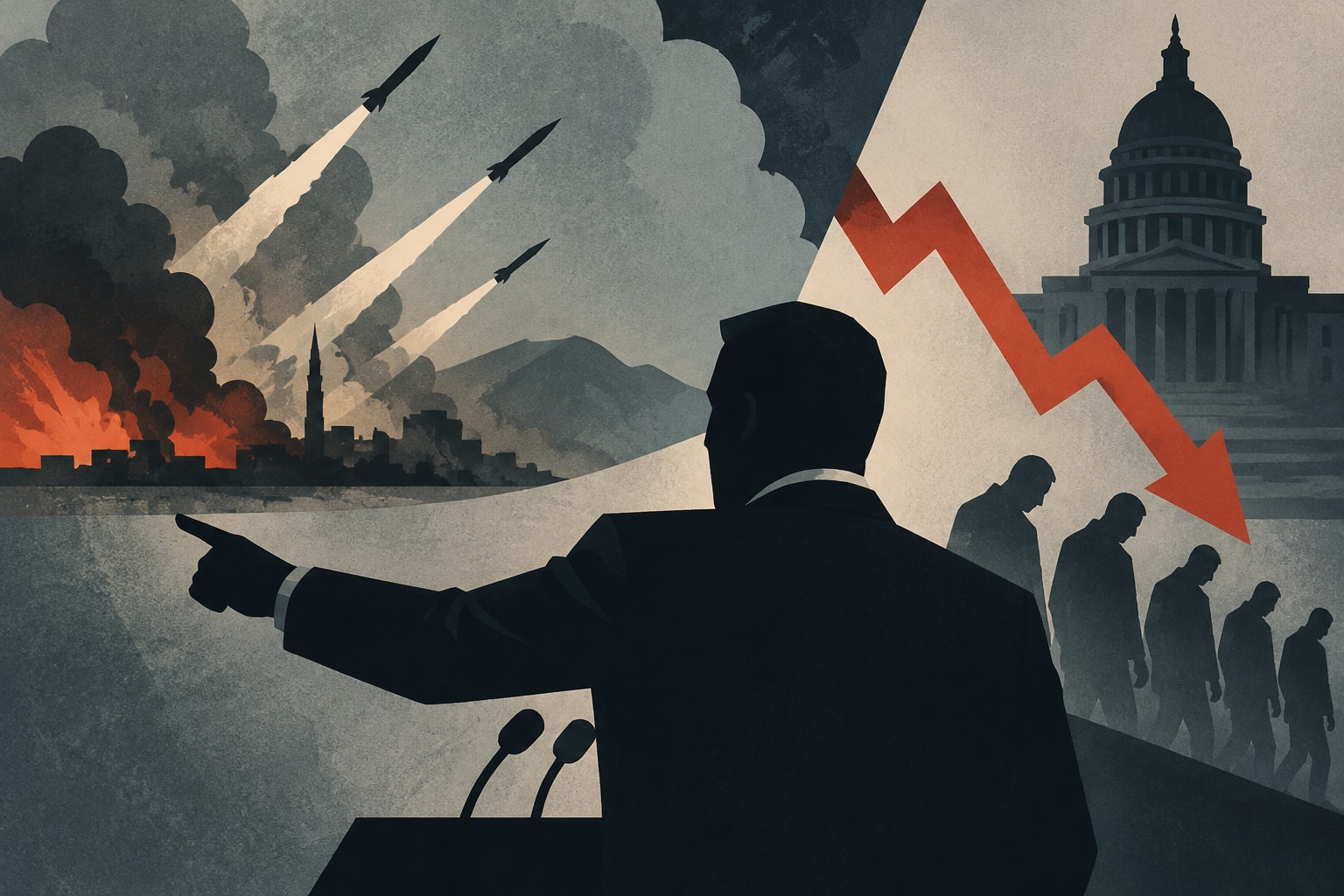
Senator J.D. Vance links Republican losses in the midterms to public dissatisfaction with the ongoing war in Iran.
What's Happening
- •Senator J.D. Vance has publicly stated that the recent midterm elections resulted in significant Republican losses.
- •Vance attributes these losses to public discontent regarding the U.S. war with Iran.
- •This statement marks a noticeable shift from the previous administration's stance on military engagement.
Why It Matters
The connection between military engagement and political outcomes is crucial for service members and veterans. As public opinion shifts, it can directly influence funding, policy decisions, and the overall support for military operations, affecting those who serve and have served.
What Changes Now
- •Political discourse surrounding military engagements is likely to shift, with more focus on public sentiment. This could lead to changes in military funding and support for operations, impacting active-duty personnel.
- •The Republican Party may reevaluate its military strategies in response to voter dissatisfaction. This reassessment could influence future policies affecting troop deployments and military readiness.
- •Veterans may find new opportunities to engage in advocacy as political leaders address public concerns about military conflicts. Increased involvement can help shape policies that directly affect their lives and benefits.
What to Watch
- •Upcoming congressional sessions will address military funding and policy. Decisions made during these sessions can significantly impact troop levels and operational support.
- •The Republican Party's platform may evolve in response to midterm election outcomes. Observers should watch for any proposed changes to military engagement strategies in the next election cycle.
- •Public opinion polls regarding military engagements will be critical. These polls can inform both political leaders and military personnel about the prevailing sentiments that could shape future policies.
Get the Daily Briefing
Military and veteran news that actually affects you, in your inbox each morning.
More Context
- •Political Fallout from Military Engagement: The recent midterm elections have highlighted a growing divide within the Republican Party regarding military engagement. Senator Vance's comments suggest that the ongoing conflict in Iran has become a pivotal issue for voters, particularly those who may have previously supported military interventions. This discontent could influence future Republican strategies and policies, especially as they relate to military funding and troop deployments.
- •Impact on Active-Duty Service Members: Active-duty service members, especially those in combat roles such as infantry and special operations, may feel the effects of this political shift. As public sentiment turns against prolonged military engagements, there could be changes in funding and support for operations, impacting morale and operational readiness. It's crucial for service members to stay informed about how these political dynamics may affect their deployments and resources.
- •Veteran Perspectives on Military Policy: Veterans, particularly those who have served in Iraq and Afghanistan, may resonate with Vance's remarks regarding public dissatisfaction. Many veterans advocate for a more cautious approach to military intervention, arguing that prolonged conflicts can lead to unnecessary losses and strain on military families. Understanding the political landscape can help veterans engage more effectively in advocacy for policies that prioritize their well-being and that of active-duty personnel.
- •Future Implications for Military Policy: As the Republican Party reassesses its stance on military engagements, upcoming legislative sessions will be critical. Decisions regarding military budgets, troop levels, and foreign policy strategies will likely reflect the party's response to voter sentiment. Active-duty members and veterans should monitor these developments closely, as they could significantly impact military operations and benefits.
Frequently Asked Questions
Does this affect Guard members on Title 10 orders?
Yes, changes in military policy and funding can impact Guard members activated under Title 10, especially regarding deployment and support resources.
Will my BAH change if I move duty stations mid-year?
Changes in military policy may affect housing allowances, so it’s important to stay updated on any new legislation that could influence BAH rates.
The Daily Briefing
Military & veteran news that actually affects you — delivered every morning.
- Pay, benefits & policy changes
- Pentagon decisions that matter
- VA updates for veterans & families
- One email. No spam. Unsubscribe anytime.
Related Stories
- Non-Hostile Deaths of Two U.S. Airmen Raise Overseas Toll to 23— Defense News
- Two U.S. Airmen Die in Non-Hostile Incidents Amid Iran Conflict— Military Times
- Trump Administration Urged to Maintain Six Destroyers in Spain— Navy Times
- Innovations in the Defense Industry Highlighted at Major Conference— Defense News