Suicide Rates Among Military Families Continue Troubling Upward Trend
Suicide rates within military families are increasing even as the overall number of service members decreases, according to new data.
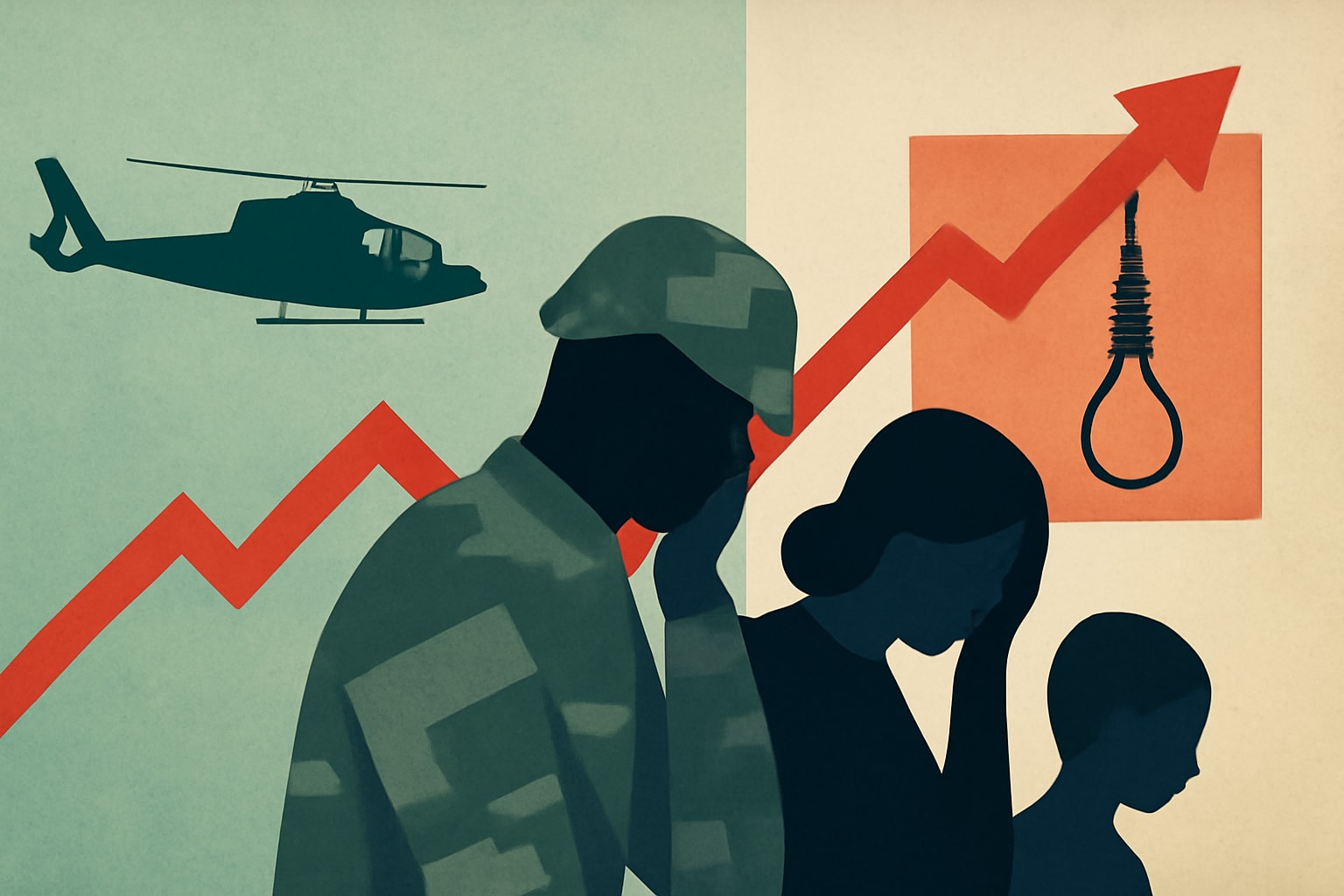
What's Happening
- •Suicide rates among military families are rising, according to recent data.
- •This trend persists despite a decrease in the total number of active-duty service members.
- •The overall military suicide rate has decreased, but family member rates are concerning.
Why It Matters
The rise in suicide rates among military families is a critical issue that demands immediate action. These families play a vital role in supporting service members, and their mental health is directly tied to military readiness and retention.
What Changes Now
- •There will be increased scrutiny of existing mental health programs for military families. This will involve assessing their effectiveness and identifying areas for improvement.
- •Resources may be reallocated to address specific needs identified in the data. This could include funding for targeted mental health initiatives and community support programs.
- •Efforts to reduce the stigma around seeking mental health care will be prioritized. This is crucial for encouraging military families to access the help they need.
What to Watch
- •Upcoming Department of Defense reports on mental health trends are expected. These reports will provide insights into the effectiveness of current programs and highlight areas needing attention.
- •Congressional hearings on military family support and suicide prevention are anticipated. These hearings will discuss potential legislative actions to improve mental health resources for military families.
- •New community-based initiatives aimed at supporting military families will be launched. These initiatives will focus on building social support networks and providing accessible mental health services.
Get the Daily Briefing
Military and veteran news that actually affects you, in your inbox each morning.
More Context
- •Understanding the Rise in Suicide Rates: Recent data reveals a troubling increase in suicide rates among military families, even as the overall number of active-duty service members is on the decline. This discrepancy highlights potential gaps in the support systems available to military spouses and children. The Military Times reported on April 15, 2026, that while the overall military suicide rate has decreased, the rising rates among family members indicate a need for urgent attention. Factors contributing to this trend may include the stresses associated with frequent deployments, financial instability, and difficulties accessing mental health services. The transient nature of military life can disrupt social support networks, leading to feelings of isolation and helplessness among family members.
- •Challenges Faced by Military Families: Military families face unique challenges that may contribute to mental health issues, including the stigma surrounding mental health care within the military community. Many family members may hesitate to seek help due to fear of judgment or repercussions. Additionally, the stress of deployment can create an environment of uncertainty, affecting family dynamics and emotional well-being. Understanding which demographics are most affected is crucial; for instance, certain age groups or family structures may be more vulnerable to mental health crises. Identifying these patterns will be essential for developing targeted prevention and intervention strategies.
- •A Call for Comprehensive Support: Addressing the rising suicide rates among military families requires a multi-faceted approach. Increased funding for mental health services is essential, along with improved access to resources tailored to the specific needs of military families. Outreach programs that focus on reducing the stigma surrounding mental health care are critical for encouraging family members to seek help. Furthermore, community-based programs and peer support groups can foster a sense of belonging and reduce isolation. Early intervention programs that identify and address mental health issues before they escalate are also vital for preventing crises.
- •The Importance of Continuous Monitoring: While the overall trend in military suicides shows a decrease, the rise in family suicides cannot be overlooked. The Department of Defense must prioritize the mental health and well-being of military families, recognizing their integral role in military readiness and morale. Continuous monitoring and evaluation of suicide prevention programs are necessary to ensure their effectiveness. Utilizing data-driven insights will guide resource allocation and program development, allowing for adjustments based on the evolving needs of military families. Collaboration between military leaders, mental health professionals, and community organizations is crucial in creating a comprehensive approach to suicide prevention.
Veteran Take
For those who've served, the mental health of our families is just as crucial as our own. The rising suicide rates among military families remind us that the challenges of service extend beyond the uniform; they affect loved ones who bear the weight of our sacrifices. Veterans navigating this will understand that addressing these issues requires not just awareness, but a commitment to real support and resources for families who often feel isolated in their struggles.
The Daily Briefing
Military & veteran news that actually affects you — delivered every morning.
- Pay, benefits & policy changes
- Pentagon decisions that matter
- VA updates for veterans & families
- One email. No spam. Unsubscribe anytime.
Related Stories
- U.S. Army Returns to Jungle Training with Panamanian Forces— Military Times
- Archbishop Advises Against Catholic Participation in Army Firing Squads— Military Times
- U.S. Army Releases Quick-Recognition Guide for Iranian Soldiers— Military Times
- 26th Marine Expeditionary Unit First to Deploy with CH-53K King Stallion Helicopter— Military.com