New Book Examines U.S. Dependence on Kandahar Warlord Abdul Raziq
A new book reveals the intricate relationship between U.S. forces and Abdul Raziq, a key figure in Kandahar's security landscape.
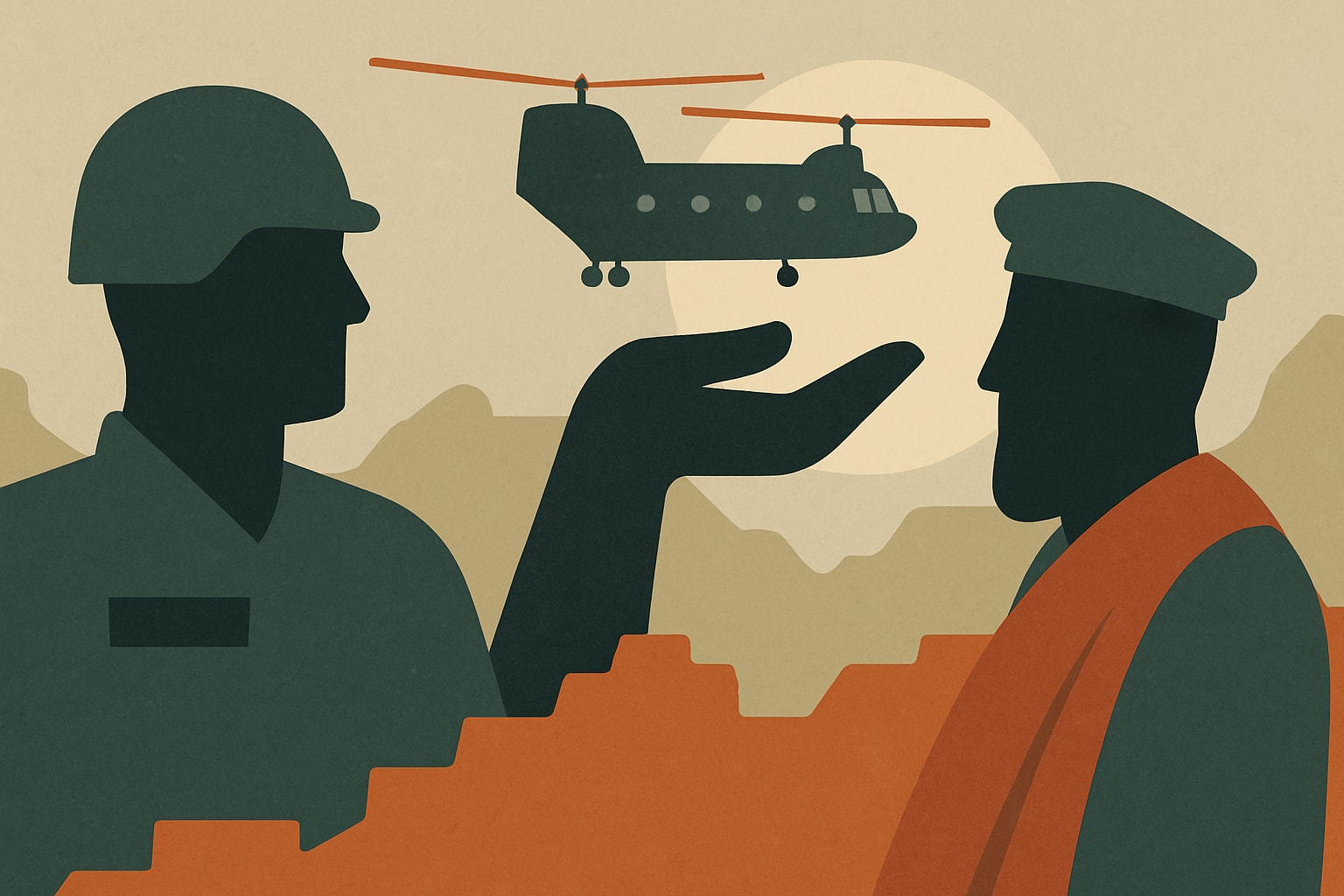
What's Happening
- •A new book details the relationship between U.S. forces and Abdul Raziq, the Kandahar police chief.
- •The book explores how Raziq aided U.S. counterinsurgency efforts during the Afghanistan conflict.
- •It highlights the complexities of relying on local warlords for security and stability.
Why It Matters
The examination of Abdul Raziq's role is crucial for understanding the broader implications of U.S. military strategies in conflict zones. For service members and veterans, these insights can provide valuable context regarding the complexities of local partnerships and their impact on mission outcomes.
What Changes Now
- •The publication of this book may prompt military leaders to reassess their strategies for engaging with local leaders. Understanding past mistakes could lead to more informed decision-making in future operations.
- •Veterans and service members may find new resources for understanding their experiences in Afghanistan. This could influence discussions in veteran communities about the effectiveness of U.S. strategies.
- •The book's insights could lead to policy discussions within the Pentagon regarding future military engagements. This may affect training and preparation for personnel deploying to conflict zones.
What to Watch
- •Look for discussions in military circles regarding the implications of Raziq's legacy. This could influence future training and operational strategies.
- •Monitor for potential policy changes in how the U.S. engages with local leaders in conflict zones. Decisions made in the coming months could reshape military approaches.
- •Expect more publications and analyses that explore the complexities of counterinsurgency strategies. These could provide further context for veterans and service members reflecting on their experiences.
Get the Daily Briefing
Military and veteran news that actually affects you, in your inbox each morning.
More Context
- •The Rise of Abdul Raziq: Abdul Raziq emerged as a significant figure in Kandahar's security landscape during the early years of the U.S. military presence in Afghanistan. As the police chief, he was instrumental in countering Taliban influence, leveraging his local connections and authority to build a semblance of order in a chaotic environment. His rise was marked by both tactical successes and allegations of human rights abuses, creating a controversial legacy that is now being examined in detail.
- •U.S. Military Strategy and Local Partnerships: The reliance on local leaders like Raziq was a key component of U.S. counterinsurgency strategy. By partnering with influential figures, U.S. forces aimed to gain local support and intelligence, which was vital for operational success. However, this strategy also raised ethical questions about the implications of empowering warlords with questionable practices, complicating the U.S. mission in Afghanistan.
- •Implications for Future Military Engagements: The lessons learned from the U.S. relationship with Raziq may inform future military strategies in similar contexts. Understanding the risks and benefits of engaging with local power brokers can help military planners develop more effective approaches to counterinsurgency and stabilization efforts. This historical analysis serves as a cautionary tale for future operations, emphasizing the need for comprehensive assessments of local dynamics.
Frequently Asked Questions
What does this book say about U.S. military strategies?
The book discusses how reliance on local leaders like Abdul Raziq shaped U.S. counterinsurgency efforts.
How might this affect veterans who served in Afghanistan?
Veterans may gain deeper insights into the complexities of their missions and the strategies employed during their service.
Are there lessons for future military engagements?
Yes, the book highlights the risks and benefits of engaging with local power brokers, which could inform future military strategies.
Veteran Take
For those who've served in conflict zones, the dynamics of local partnerships can often feel like a double-edged sword. This examination of our relationship with figures like Abdul Raziq highlights the tough choices we had to make to achieve our objectives, often navigating through moral gray areas. Understanding these complexities is crucial for veterans as we reflect on our experiences and the long-lasting implications of our actions abroad.
The Daily Briefing
Military & veteran news that actually affects you — delivered every morning.
- Pay, benefits & policy changes
- Pentagon decisions that matter
- VA updates for veterans & families
- One email. No spam. Unsubscribe anytime.
Related Stories
- U.S. Army Returns to Jungle Training with Panamanian Forces— Military Times
- Archbishop Advises Against Catholic Participation in Army Firing Squads— Military Times
- Army Identifies Systematic Failures Contributing to DC Helicopter Crash— Task & Purpose
- Understanding Military Enlistment Waivers: Age and Medical Criteria— Military.com