Study Suggests Russia Could Conquer Baltic States in 90 Days
A recent analysis suggests Russia could overrun the Baltic nations within three months, prompting debate about NATO's defense capabilities.
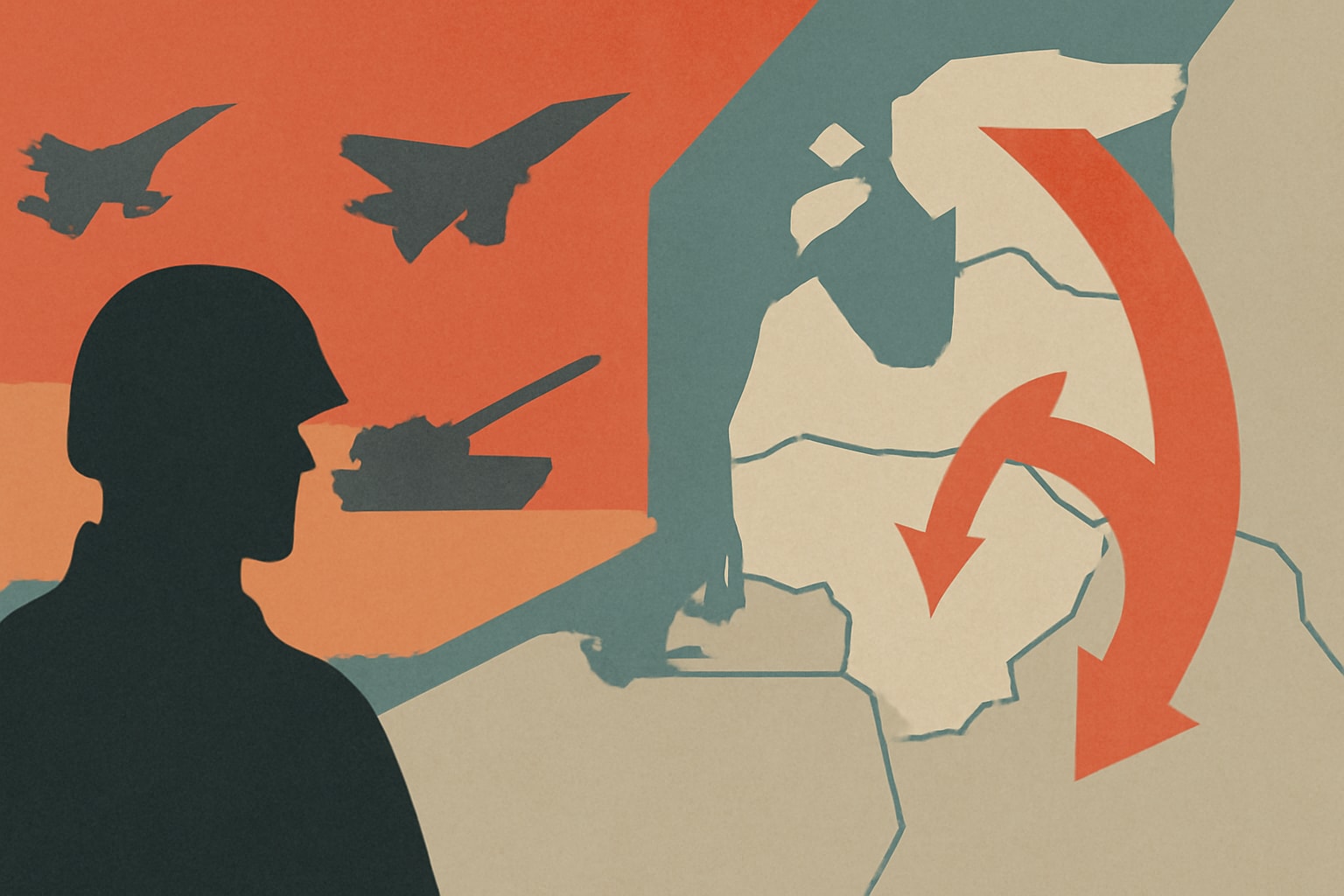
What's Happening
- •A study indicates Russia could potentially conquer Estonia, Latvia, and Lithuania in 90 days.
- •The report has ignited discussions about NATO's military readiness in Eastern Europe.
- •Geopolitical tensions between Russia and NATO are escalating, particularly after the Ukraine conflict.
Why It Matters
This report highlights potential vulnerabilities in a critical region, directly impacting service members deployed to Eastern Europe. It also influences defense spending and strategic planning, which affects military readiness and resource allocation for veterans and their families.
What Changes Now
- •NATO's defense plans for the Baltic region will undergo increased scrutiny. This is crucial for ensuring that military strategies are adequate to deter potential aggression from Russia.
- •There may be an increase in military deployments and exercises in the Baltic area. Such actions will enhance readiness and demonstrate NATO's commitment to defending its members.
- •Discussions about defense spending among NATO member states are likely to intensify. This could lead to significant adjustments in military budgets and resource allocations.
What to Watch
- •NATO's response to the study and any adjustments to its defense posture will be critical. Upcoming NATO meetings will likely address these concerns and outline strategic priorities.
- •The next NATO summit will be an important event to monitor. Decisions made during this summit could shape the alliance's approach to Eastern European security.
- •Ongoing military exercises in the Baltic region should be observed closely. These exercises will provide insights into NATO's readiness and operational capabilities.
Get the Daily Briefing
Military and veteran news that actually affects you, in your inbox each morning.
More Context
- •The Study's Findings: The analysis from Defense News suggests that, under a hypothetical scenario, Russia could execute a full-scale military operation against the Baltic states within a 90-day timeframe. This assessment is based on various factors, including troop deployments, equipment capabilities, and potential lines of attack. Although it does not predict imminent conflict, it highlights the vulnerabilities of the Baltic nations—Estonia, Latvia, and Lithuania—due to their geographical proximity to Russia and their smaller military forces.
- •Strategic Importance of the Baltic States: The Baltic states hold strategic significance as they are NATO members and located near Russia. Their history as former Soviet territories adds to their geopolitical importance, making them a focal point in the ongoing tensions between NATO and Russia. The integration of these nations into Western alliances has been perceived by Russia as a direct challenge to its influence, further complicating the security landscape in the region.
- •NATO's Current Posture: In response to the perceived threats, NATO has deployed multinational battlegroups to the Baltic states and Poland as part of its Enhanced Forward Presence. Each battlegroup typically consists of around 1,000 troops, serving as a deterrent against potential aggression. However, some analysts argue that these forces may not be sufficient to repel a large-scale Russian attack, raising concerns about NATO's overall readiness and the adequacy of its defense strategies.
- •Implications for Military Readiness: The findings of the study raise critical questions about NATO's ability to respond effectively to threats in Eastern Europe. As discussions about defense spending and military capabilities intensify, the report underscores the importance of maintaining a credible deterrent posture. This situation may lead to renewed calls for increased military investments and enhanced defense planning among NATO member states to ensure the security of the Baltic region.
Veteran Take
For those who've served, the idea of a rapid conflict in the Baltic States is a stark reminder of the volatility we face in global politics. Veterans navigating this will feel the weight of our commitment to NATO and the implications of such a scenario on our brothers and sisters still in uniform. It's crucial that we ensure our military readiness is prioritized, not just for current deployments, but for the long-term security of our allies and the safety of our communities.
The Daily Briefing
Military & veteran news that actually affects you — delivered every morning.
- Pay, benefits & policy changes
- Pentagon decisions that matter
- VA updates for veterans & families
- One email. No spam. Unsubscribe anytime.
Related Stories
- Army Releases ‘Know the Threat’ Guide on Iranian Soldiers— Task & Purpose
- US Army Awards $43 Million to Kaizen Laboratories for Software Development— Army Times
- Renovation of Century-Old Homes at Fort Bragg Underway— Military Times
- Congress Evaluates Future Cost and Use of Marine Corps ACVs— Military Times