Wounded Soldiers Accuse Military Healthcare System of Failing Them
Soldiers injured in a March drone strike express frustrations over inadequate military healthcare support.
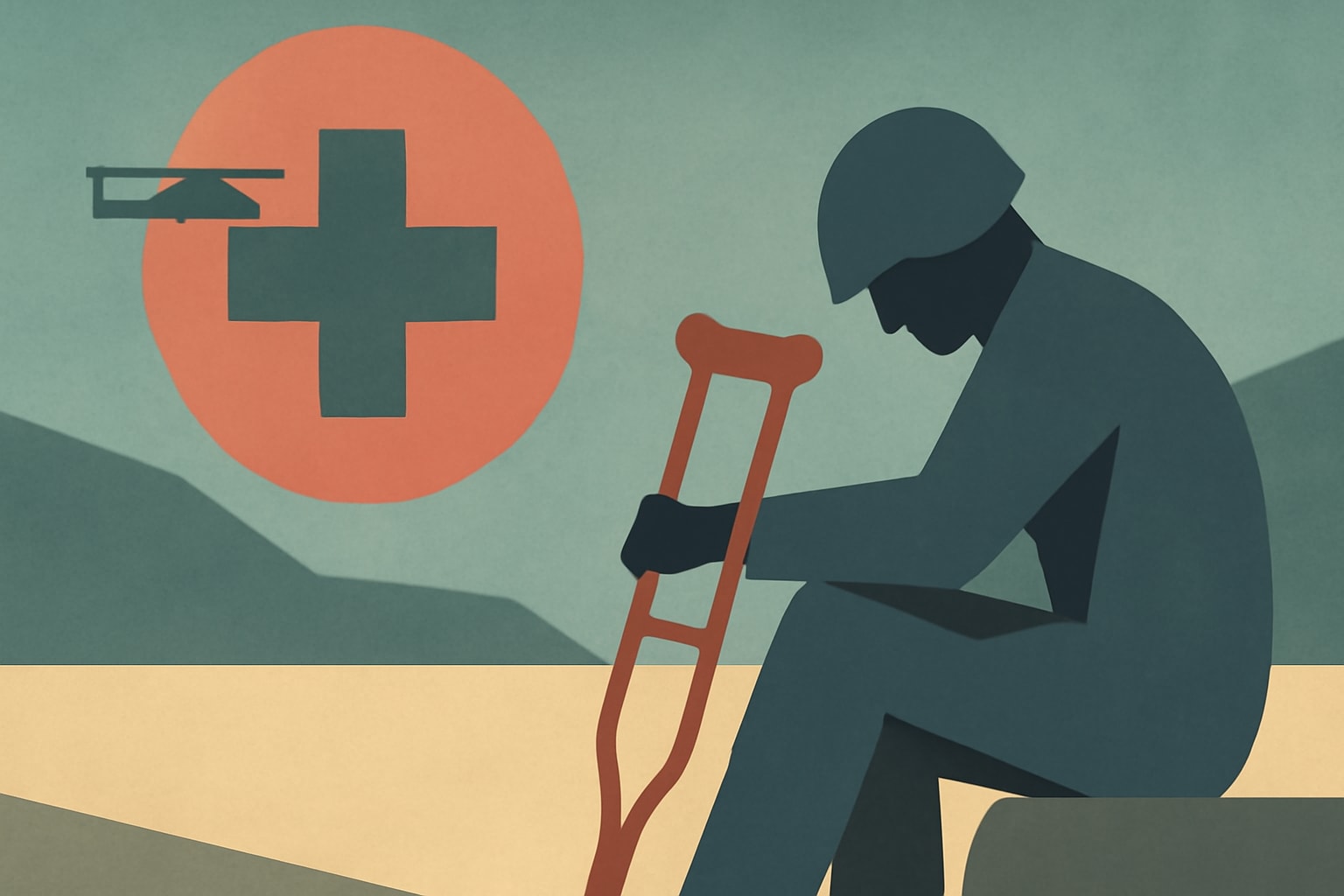
What's Happening
- •Six U.S. Army Reserve soldiers died and over 30 were wounded in a March drone strike.
- •Affected soldiers report inadequate medical care and support from the military healthcare system.
- •The incident raises serious questions about the effectiveness of military healthcare for combat injuries.
Why It Matters
The allegations of inadequate healthcare for soldiers injured in combat highlight a critical issue within the military healthcare system. For veterans and active-duty personnel, the quality of medical care received can significantly affect their recovery and overall quality of life, making it essential to address these concerns promptly.
What Changes Now
- •Soldiers may experience changes in their healthcare access as they seek treatment for injuries sustained during the attack. This may involve navigating the military healthcare system and potentially seeking external support from veteran organizations.
- •The military may initiate reviews of healthcare protocols in response to these allegations. This could lead to policy changes aimed at improving the responsiveness and effectiveness of medical care for injured service members.
- •Injured soldiers should be aware of their rights regarding medical care and support. Understanding these rights can empower them to advocate for the care they deserve.
What to Watch
- •Monitor for updates on military healthcare policy changes in response to the incident. These changes could impact how future injuries are treated and the resources available to service members.
- •Watch for reports from veteran service organizations advocating for improved healthcare access for injured soldiers. Their efforts may influence military policy and healthcare practices.
- •Keep an eye on the outcomes of investigations into the healthcare failures reported by the affected soldiers. These findings could lead to significant reforms in military medical practices.
Get the Daily Briefing
Military and veteran news that actually affects you, in your inbox each morning.
More Context
- •The Attack and Its Aftermath: In March, a group of U.S. Army Reserve soldiers faced a devastating drone strike attributed to Iranian forces, resulting in the deaths of six service members and injuries to more than 30 others. This tragic event has not only highlighted the dangers faced by soldiers in combat zones but has also brought to light significant issues regarding the military healthcare system's response to such incidents.
- •Soldiers' Claims of Healthcare Failures: Many of the injured soldiers have come forward with accusations that the military healthcare system has failed to provide adequate treatment and support following their injuries. Reports indicate that some service members have experienced delays in receiving necessary medical care, while others have expressed frustration over the lack of communication and follow-up from military medical personnel.
- •Impact on Service Members and Veterans: The implications of these healthcare failures extend beyond the immediate aftermath of the attack. For active-duty soldiers and veterans alike, inadequate medical care can lead to long-term physical and mental health issues, impacting their ability to serve and reintegrate into civilian life. The situation raises concerns about the military's commitment to ensuring the health and well-being of its personnel.
- •Next Steps for Affected Soldiers: Affected soldiers are encouraged to document their medical experiences and seek advocacy through veteran service organizations. These organizations can provide guidance on navigating the military healthcare system and accessing additional support resources, ensuring that service members receive the care they need.
Frequently Asked Questions
What should I do if I feel my healthcare needs are not being met?
You should document your medical experiences and reach out to a veteran service organization for assistance.
Are there resources available for soldiers injured in combat?
Yes, various veteran service organizations provide support and advocacy for injured service members.
How can I advocate for better healthcare in the military?
You can advocate by voicing your concerns through official channels and engaging with veteran advocacy groups.
The Daily Briefing
Military & veteran news that actually affects you — delivered every morning.
- Pay, benefits & policy changes
- Pentagon decisions that matter
- VA updates for veterans & families
- One email. No spam. Unsubscribe anytime.
Related Stories
- Two Dover Airmen Sentenced in Multimillion-Dollar Cyber Fraud Scheme— Air & Space Forces Magazine
- OA-1K Skyraider II Goes Off Runway at Oklahoma Airport; Crew Safe— Air & Space Forces Magazine
- Air Force Airmen Sentenced for Involvement in $2.4 Million Cyber Fraud Scheme— Military.com
- Marine Corps Invests Nearly $16M in Pulsar-Lite EW System to Combat Drone Threats— DefenseScoop