Europe's Militaries Pursue Alternatives to Palantir Technologies
European defense ministries are actively seeking to limit their reliance on American technology, particularly Palantir.
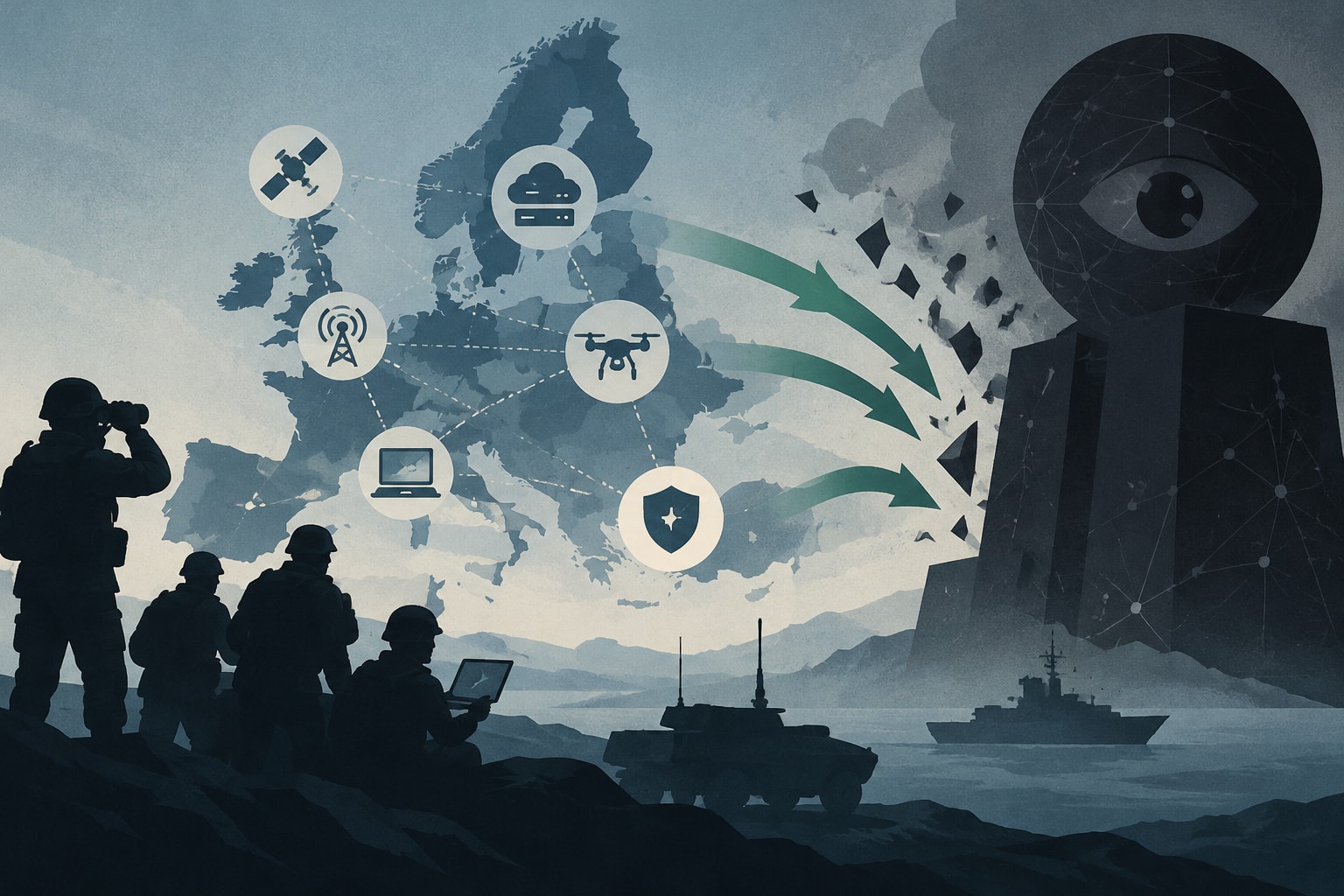
What's Happening
- •European defense ministries are exploring alternatives to Palantir Technologies.
- •The move aims to reduce dependency on American technology in military operations.
- •This initiative reflects broader concerns over data sovereignty and security.
Why It Matters
This shift towards developing indigenous technology solutions is crucial for military readiness and operational security. For service members, understanding these changes can help them prepare for new tools and processes that may impact their daily operations and career trajectories.
What Changes Now
- •European defense ministries are actively seeking alternatives to Palantir Technologies. This means that military personnel may soon be required to train on new software systems and data management tools.
- •The focus on reducing U.S. tech dependency may lead to new partnerships with European tech companies. Personnel should be prepared for potential changes in operational protocols and data handling procedures.
- •As new technologies are adopted, there may be shifts in job roles for those in intelligence and data analysis. Service members in affected roles should stay updated on training opportunities related to these changes.
What to Watch
- •Watch for announcements from European defense ministries regarding contracts with alternative technology providers. These decisions will shape the landscape of military technology in Europe over the next year.
- •Monitor updates on training programs related to new software systems. These programs will be crucial for ensuring that service members are equipped to handle the transition smoothly.
- •Keep an eye on NATO's response to these developments. Their stance may influence how member nations collaborate on technology and data management.
Get the Daily Briefing
Military and veteran news that actually affects you, in your inbox each morning.
More Context
- •The Shift Towards Independence: European defense ministries are increasingly focused on developing indigenous technological solutions to enhance their military capabilities. This shift is driven by a desire to reduce reliance on U.S. technology providers like Palantir, which has been a significant player in defense analytics. By pursuing alternatives, European nations aim to bolster their data security and operational sovereignty, ensuring that sensitive military information remains within their control.
- •Implications for Military Operations: The move to seek alternatives to Palantir could have significant implications for how European militaries conduct operations. For instance, units such as NATO's Allied Joint Force Command may need to adapt their data management strategies to integrate new software solutions. This transition could impact the training and readiness of personnel, particularly for those in data analysis and intelligence roles, such as 35F intelligence analysts in the Army or 1N0X1 intelligence specialists in the Air Force.
- •Who Will Be Affected?: This initiative primarily affects active duty and reserve personnel involved in intelligence and data management roles. For example, junior enlisted soldiers in the 35F and 35G military occupational specialties may find themselves adapting to new tools and processes. Additionally, military families may experience indirect effects as shifts in technology could influence operational deployments and readiness cycles.
- •Monitoring Developments: As European nations pursue these alternatives, military personnel should stay informed about the timeline for implementing new technologies. Key decisions will likely emerge in the next 12 to 24 months, with defense ministries announcing contracts and partnerships with alternative tech firms. Service members should be aware of how these changes might affect their roles and responsibilities, particularly those involved in data-driven missions.
Frequently Asked Questions
Does this affect Guard members on Title 10 orders?
Yes, Guard members on Title 10 orders may be impacted as they often work alongside active duty forces and will need to adapt to new technologies.
Will my job change if my unit adopts new software?
Yes, personnel in data analysis and intelligence roles may see changes in their job responsibilities as new software is implemented.
How can I stay informed about these changes?
Service members should regularly check official military communications and their unit's announcements for updates on technology transitions.
The Daily Briefing
Military & veteran news that actually affects you — delivered every morning.
- Pay, benefits & policy changes
- Pentagon decisions that matter
- VA updates for veterans & families
- One email. No spam. Unsubscribe anytime.
Related Stories
- B-1B Lancer Pilots to Gain Extra Training Hours in Business Jets— Air & Space Forces Magazine
- Air Force Initiates Training Development for Point Defense Airmen— Air & Space Forces Magazine
- New Drone Defense Tools Enhance Troop Safety— Army Times
- New Drone Innovations Highlighted in UAS Tech Developments— Military Times