Wounded Soldiers Criticize Military Medical System After Iranian Drone Strike
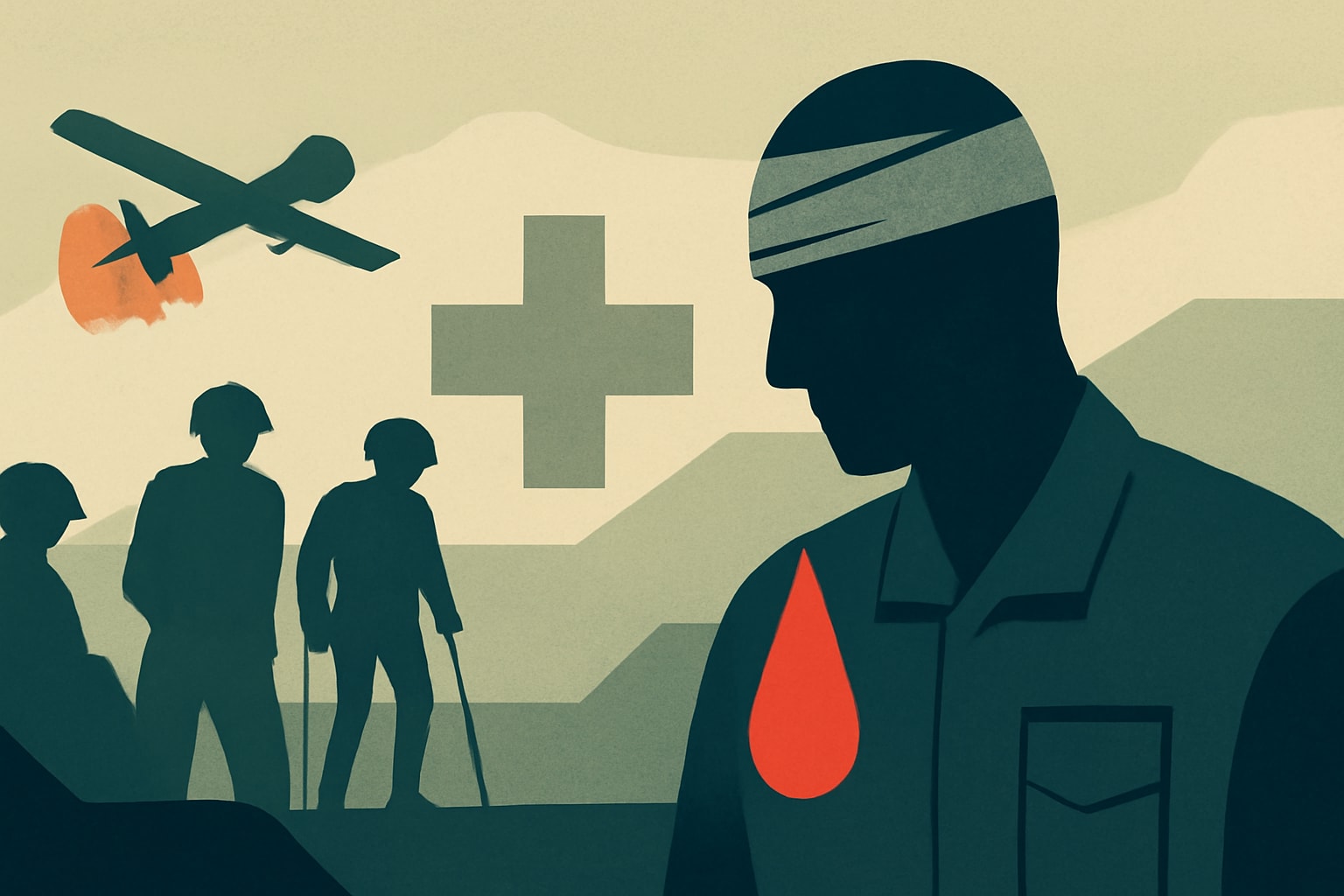
Soldiers injured in an Iranian drone attack claim the military medical system failed to provide adequate care.
What's Happening
- •Soldiers injured in an Iranian drone strike are voicing criticism of the military medical system.
- •The complaints highlight issues of disinvestment and inadequate resources in military healthcare.
- •These concerns come amid ongoing military operations in the Middle East.
Why It Matters
The effectiveness of the military medical system is critical for the health and recovery of service members injured in combat. Understanding these concerns can help drive improvements in care and support for those who serve, ensuring they receive the treatment they deserve.
What Changes Now
- •Military leadership may initiate a review of the medical care provided to soldiers in combat zones. This could lead to increased funding and resources aimed at improving medical facilities and personnel.
- •There may be policy reforms aimed at addressing the concerns raised by wounded soldiers. These changes could include better training for medical staff and improved protocols for emergency care.
- •Increased advocacy for veterans' healthcare may emerge from these criticisms. This could result in stronger support systems for veterans transitioning from active duty to civilian life.
What to Watch
- •Upcoming congressional hearings on military healthcare may provide a platform for soldiers to voice their concerns. These hearings could influence future policy decisions regarding medical care in the military.
- •The Department of Defense is likely to respond to these criticisms with proposed reforms. Monitoring announcements from military leadership will be crucial for understanding the direction of healthcare improvements.
- •Changes in funding allocations for military medical facilities may be discussed in the next defense budget proposal. Keeping track of these discussions will indicate the commitment to enhancing medical care for service members.
Get the Daily Briefing
Military and veteran news that actually affects you, in your inbox each morning.
More Context
- •Concerns Over Medical Care: In the aftermath of the Iranian drone strike, several soldiers who sustained serious injuries have publicly expressed their dissatisfaction with the military medical system. They describe experiences of inadequate treatment and delays in receiving necessary care, which they believe could have significantly impacted their recovery. These testimonies raise important questions about the effectiveness of the military's healthcare infrastructure, particularly in combat zones where timely medical intervention is crucial.
- •Impact of Disinvestment: The soldiers' criticisms are set against a backdrop of years of disinvestment in military healthcare, which has been exacerbated by drawdowns in the Middle East. Multiple administrations have shifted focus and resources away from military operations, leading to a perceived decline in the quality of medical support available to service members. This trend has left many soldiers feeling vulnerable, especially those engaged in active combat roles who rely heavily on immediate medical care.
- •What Changes Now?: In response to these criticisms, military leadership may need to reassess resource allocation for medical facilities in combat zones. This could involve increasing funding for medical personnel and equipment to ensure that soldiers receive the best possible care. Additionally, there may be a push for policy changes aimed at improving the responsiveness of military healthcare systems to better serve injured service members.
- •Monitoring Future Developments: Service members and veterans should keep an eye on potential policy changes regarding military medical care in the coming months. The Department of Defense may initiate reviews or reforms based on these criticisms, which could lead to improved healthcare protocols. Furthermore, upcoming congressional hearings may address these issues, providing a platform for affected soldiers to share their experiences and advocate for necessary changes.
Frequently Asked Questions
What should I do if I feel my medical care is inadequate?
You should report your concerns to your chain of command and seek assistance from a patient advocate available at your medical facility.
Are there resources for veterans who feel they were not treated properly?
Yes, veterans can contact the VA for support and guidance on how to file complaints regarding their medical care.
Will this affect my medical benefits as a service member?
Changes in military healthcare policy could impact benefits, so it's essential to stay informed about any updates from military leadership.
The Daily Briefing
Military & veteran news that actually affects you — delivered every morning.
- Pay, benefits & policy changes
- Pentagon decisions that matter
- VA updates for veterans & families
- One email. No spam. Unsubscribe anytime.
Related Stories
- Embedded AI Agents Accelerate Defense Technology Adoption— DefenseScoop
- Northrop Grumman's Talon Blue Aircraft Completes First Flight— Air & Space Forces Magazine
- U.S. Marine Corps Anti-Ship Weaponry to See Action in Japan— Military Times
- Space Force Decommissions 1970s-Era Missile Warning Satellite Constellation— Air & Space Forces Magazine