U.S. Fighter Jets Strike Iranian Missile Site After Bahrain Base Targeted
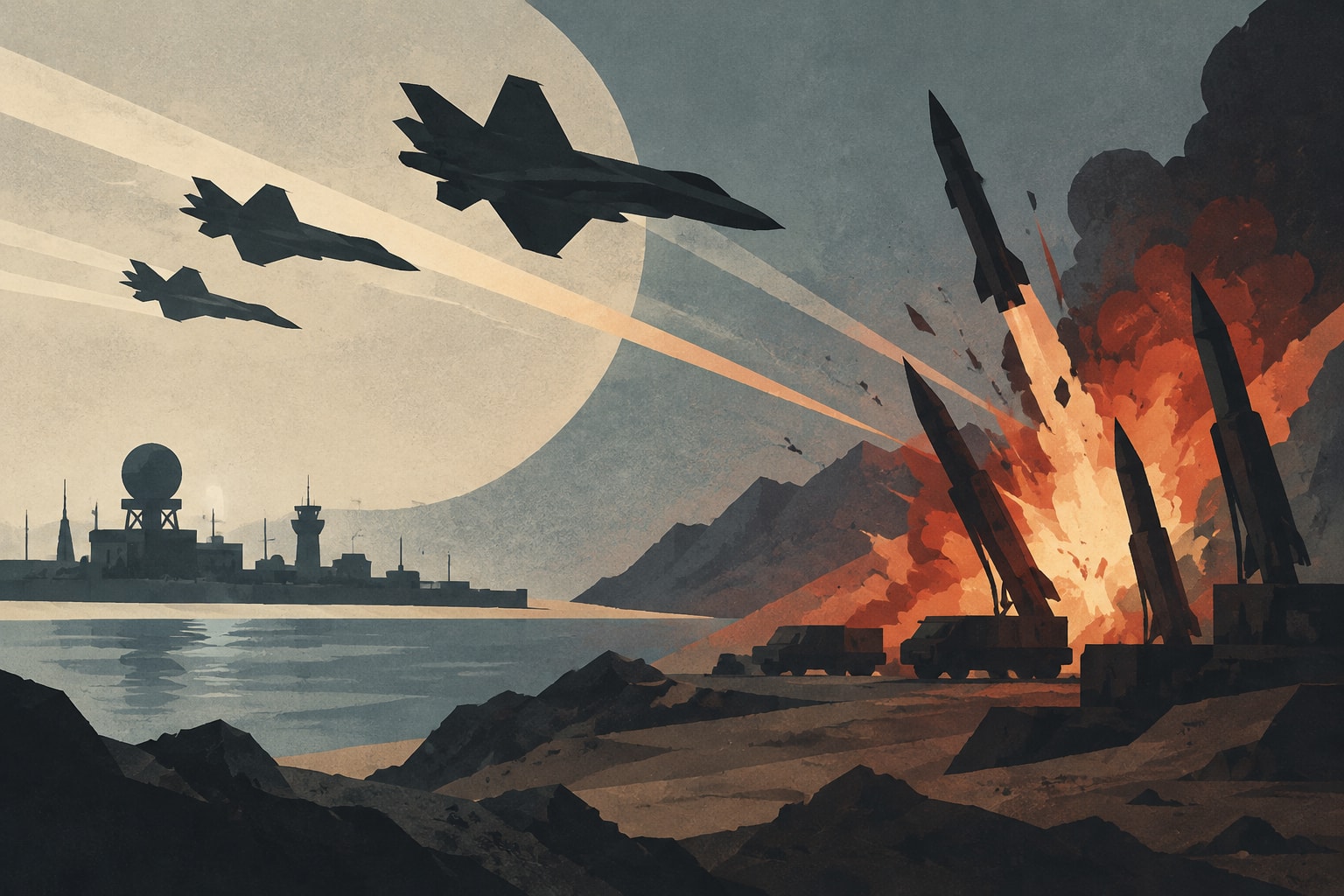
The U.S. military conducted a strike against an Iranian missile site following renewed attacks on Gulf state bases and shipping.
What's Happening
- •U.S. fighter jets struck an Iranian missile launch site on November 17.
- •The strike was described as a self-defense action by U.S. military officials.
- •This action follows a series of Iranian attacks on Gulf state bases and commercial shipping.
Why It Matters
The recent U.S. strike against an Iranian missile site is significant for military personnel and their families, highlighting the ongoing risks associated with U.S. operations in the Gulf. Understanding these developments is crucial for service members, particularly those in combat roles, as they may face increased operational demands and potential deployments.
What Changes Now
- •U.S. military readiness may be heightened in response to Iranian threats. This means active-duty personnel should prepare for potential increased deployments or extended missions.
- •Security protocols at bases in the Gulf may be adjusted following the strike. Service members and their families should stay informed about any changes to safety measures.
- •Communication from military leadership regarding operational status may become more frequent. Service members should ensure they are receiving updates through official channels.
What to Watch
- •Monitor updates from the Department of Defense regarding U.S. military operations in the Gulf. These updates will provide insights into any changes in military posture or strategy.
- •Watch for announcements related to potential changes in deployment schedules for service members. Decisions on troop movements may be influenced by the evolving situation with Iran.
- •Keep an eye on international responses to the U.S. strike, as this could affect diplomatic relations and military strategy in the region.
Get the Daily Briefing
Military and veteran news that actually affects you, in your inbox each morning.
More Context
- •Background of Recent Tensions: The recent military action by U.S. forces comes amid escalating tensions in the Gulf region. Iran has been increasingly aggressive, targeting both military bases and commercial shipping routes in the area, raising concerns about the safety of U.S. personnel and allies. The U.S. military's response reflects a commitment to protect its interests and those of its partners in the region, particularly as threats from Iran's Islamic Revolutionary Guard Corps (IRGC) have intensified.
- •Implications for Military Readiness: This strike highlights the ongoing need for military readiness among U.S. forces stationed in the Gulf. Active-duty personnel, particularly those in combat roles such as Air Force pilots and Navy sailors, must remain vigilant and prepared for rapid response to threats. The incident underscores the importance of maintaining operational capabilities and readiness in a volatile region, where the potential for conflict remains high.
- •Potential Impact on Service Members: Active-duty service members, particularly those stationed in the Middle East, may experience heightened operational tempo following this strike. This could lead to increased deployments or extended missions as U.S. forces work to deter further Iranian aggression. Additionally, service members and their families should stay informed about any changes in security protocols or support services that may arise as a result of this incident.
- •Monitoring Future Developments: As the situation evolves, military families and service members should monitor updates from official channels regarding U.S. operations in the region. The Department of Defense will likely provide ongoing assessments of the threat level posed by Iran and any necessary adjustments to military posture. Staying informed will be crucial for those directly affected by these developments, ensuring they are prepared for any changes in their operational environment.
Frequently Asked Questions
Does this affect Guard members on Title 10 orders?
Yes, Guard members on Title 10 orders may be called to support operations in the Gulf if the situation escalates further.
Will my BAH change if I move duty stations mid-year?
Your Basic Allowance for Housing (BAH) may change based on the new duty station's location and housing costs; it's important to check the new BAH rates.
The Daily Briefing
Military & veteran news that actually affects you — delivered every morning.
- Pay, benefits & policy changes
- Pentagon decisions that matter
- VA updates for veterans & families
- One email. No spam. Unsubscribe anytime.
Related Stories
- Army's Initiative to Integrate Private Technology on Military Ranges Gains Traction— Federal News Network
- First F-15EX Fighter Arrives at Kadena, Ending Fighter Rotations— Air & Space Forces Magazine
- Sgt. 1st Class Oscar M. McGrew Awarded Bronze Star for Valor— Task & Purpose
- New Drone Innovations Highlighted in Defense News Weekly Episode— Military Times