Senators Introduce Bill to Abolish Military Draft Agency
The proposed legislation seeks to eliminate the Selective Service System, which has been mostly defunct for decades.
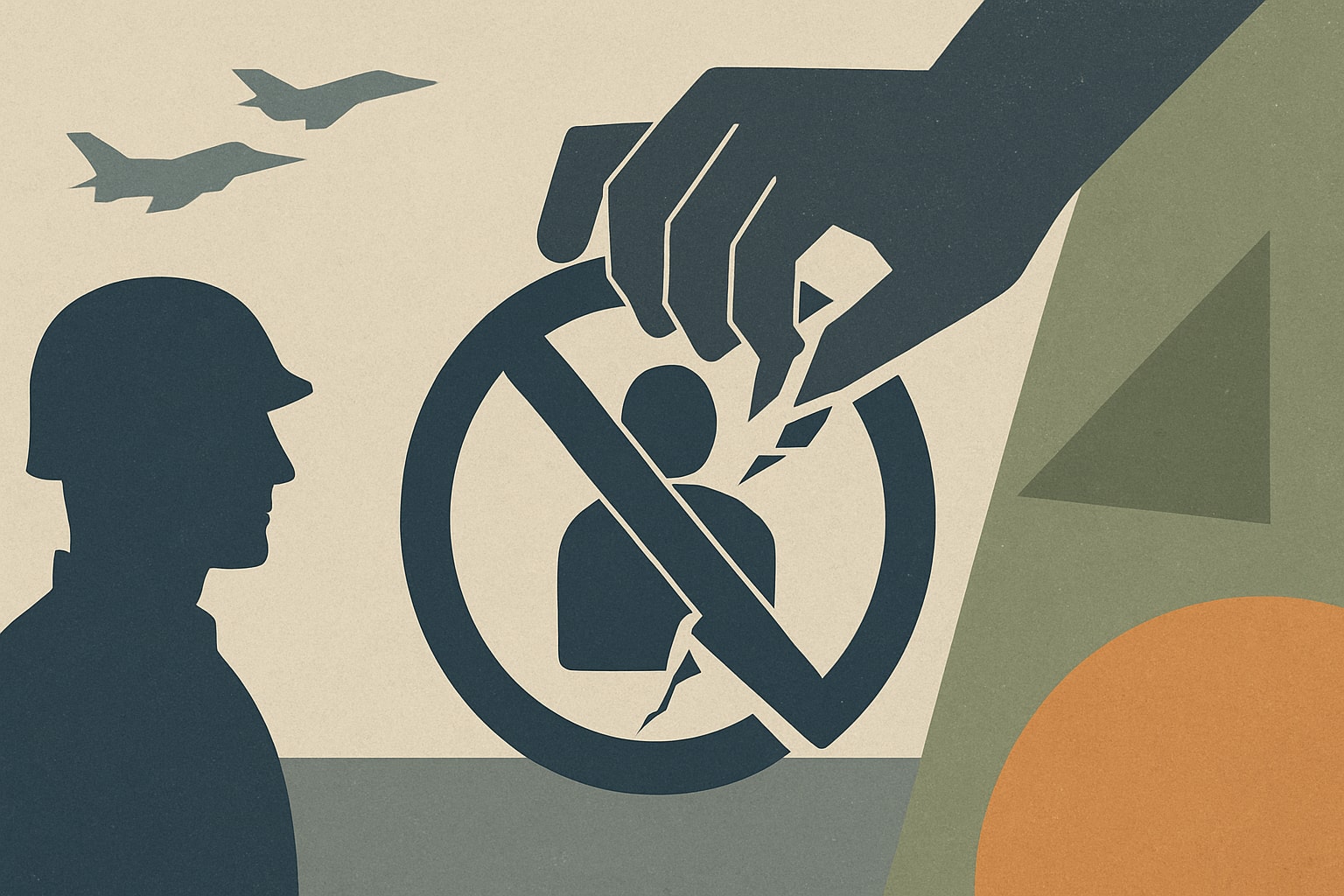
What's Happening
- •Senators have introduced a bill to abolish the Selective Service System.
- •The Selective Service System has been inactive since 1973.
- •The agency costs taxpayers over $31 million annually.
Why It Matters
The introduction of this bill is significant for military policy, as it challenges the relevance of a draft system that has not been utilized for decades. For service members and veterans, this legislation could reshape perceptions of military service and recruitment strategies, emphasizing voluntary enlistment over conscription.
What Changes Now
- •The proposed bill could eliminate the Selective Service System if passed. This would mean the end of an agency that has not actively engaged in conscription for over 50 years.
- •Taxpayer funding for the Selective Service System would cease if the bill is enacted. This could redirect funds to other military or veteran programs that require financial support.
- •The legislative process will begin, and stakeholders will need to engage with their representatives. Active duty service members and veterans should stay informed about the bill's progress and potential implications.
What to Watch
- •Watch for committee hearings on the bill within the next few months. These hearings will provide insights into the arguments for and against the abolition of the agency.
- •Keep an eye on the voting schedule in Congress, as it will determine the bill's fate. The timeline for voting could influence broader discussions on military policy and budget allocations.
- •Monitor public and veteran advocacy groups' responses to the bill. Their support or opposition could impact the bill's momentum and future legislative efforts.
Get the Daily Briefing
Military and veteran news that actually affects you, in your inbox each morning.
More Context
- •Background on the Selective Service System: The Selective Service System was established to maintain a registry of individuals eligible for military conscription. Since the end of the draft in 1973, the agency has had minimal operational activity, primarily maintaining records of those who register. Despite its inactivity, the agency continues to incur significant costs, with annual expenses exceeding $31 million. This has raised questions about its relevance and utility in today's military landscape, especially as the U.S. military relies on an all-volunteer force.
- •Details of the Proposed Legislation: The newly introduced bill aims to formally abolish the Selective Service System, eliminating the need for the agency altogether. Proponents argue that in the current context of an all-volunteer military, the agency serves no practical purpose. The legislation is part of a broader effort to streamline government operations and reduce unnecessary expenditures. If passed, this bill would mark a significant shift in U.S. military policy, reflecting changing attitudes towards conscription and military readiness.
- •Implications for Service Members and Veterans: For active duty service members, particularly those in combat roles such as infantry or artillery, the bill signifies a move away from the draft system that once governed military service. Veterans who have experienced the draft or conscription may view this change as a reaffirmation of the all-volunteer military model, which they may believe better respects personal choice and commitment. Additionally, the bill could influence future discussions about military recruitment and readiness, as the government reassesses its approach to maintaining force levels.
- •What Comes Next?: As the bill moves through Congress, stakeholders will be monitoring its progress closely. Key decisions will be made in the coming months regarding hearings and votes, particularly as legislators weigh the implications of abolishing the agency. The outcome of this bill could set a precedent for future military policy reforms, especially in how the U.S. approaches national defense and manpower needs.
Frequently Asked Questions
Does this affect Guard members on Title 10 orders?
Yes, if the Selective Service System is abolished, it will impact all service members, including those in the National Guard on Title 10 orders, as it changes the framework of military service.
Will veterans still need to register for the draft?
If the bill passes and the Selective Service System is abolished, veterans will no longer need to register for the draft, as the system will no longer exist.
Veteran Take
For those who've served, the idea of a military draft has always been a contentious topic. The move to abolish the Selective Service System reflects a broader acceptance of voluntary service, which resonates with many veterans who believe in the importance of choice in serving our country. It could also reshape how future generations view military service, emphasizing commitment over obligation.
The Daily Briefing
Military & veteran news that actually affects you — delivered every morning.
- Pay, benefits & policy changes
- Pentagon decisions that matter
- VA updates for veterans & families
- One email. No spam. Unsubscribe anytime.
Related Stories
- Troops Will Get a Day Off to Vote or Register for November Elections— Task & Purpose
- Travis Metz to Lead DIU as Owen West Takes Leave for AutoWarCom— DefenseScoop
- Federal Appeals Court Upholds Pentagon’s Blacklisting of Anthropic— Military Times
- Unauthorized Access to Military Personnel Data Raises Alarms— Army Times