Navy Sailor Discovers Dead Rat in Monster Energy Drink
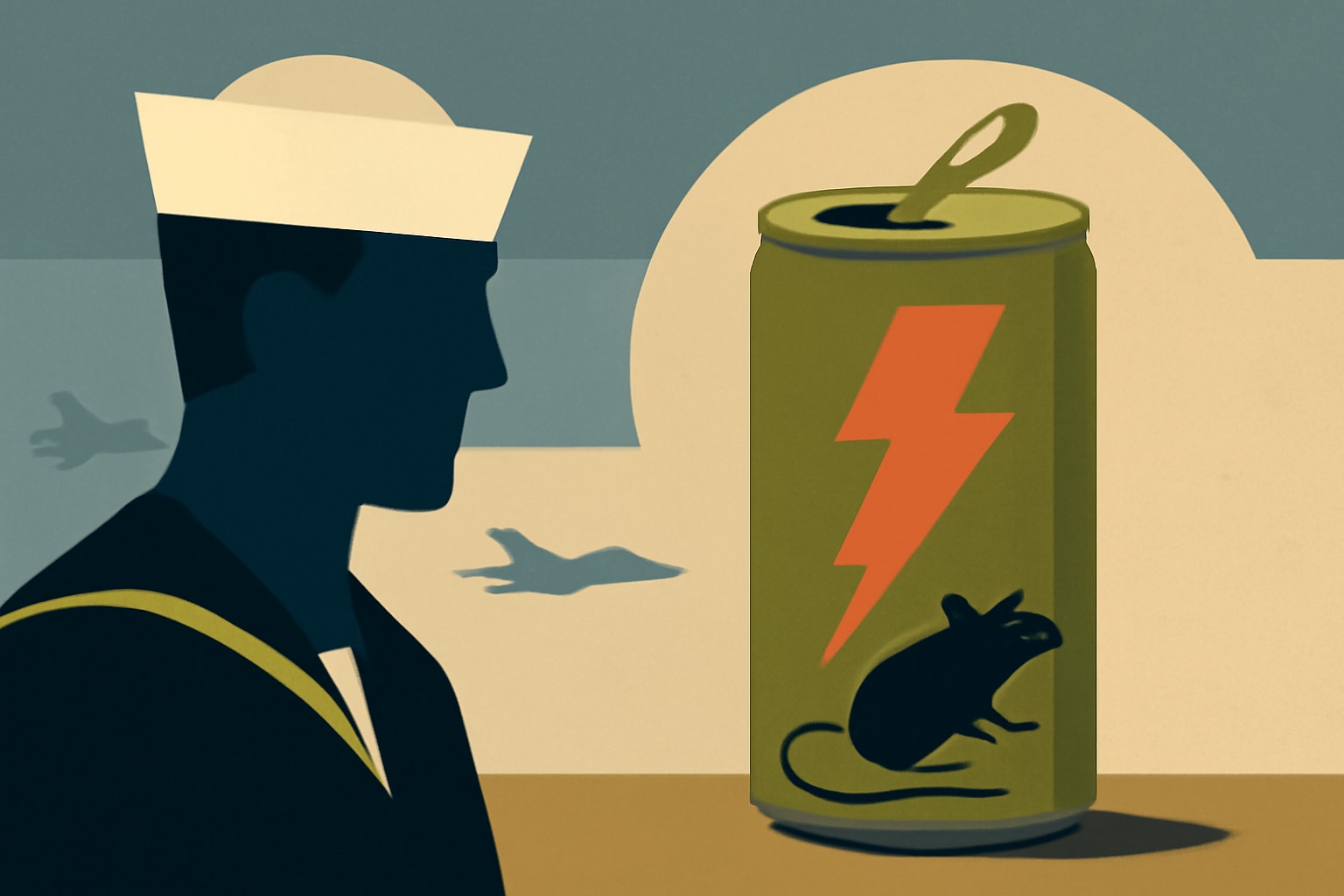
A U.S. Navy sailor found a dead rat in a Monster energy drink, leading to medical consultation and concerns about product safety.
What's Happening
- •A U.S. Navy sailor found a dead rat in a can of Monster energy drink in early April 2026.
- •The sailor sought medical advice after the incident and was told the drink's chemicals might mitigate health risks.
- •The incident has prompted discussions about food and beverage safety protocols within the military.
Why It Matters
This incident raises critical concerns about the safety and quality of food and beverages consumed by military personnel. Ensuring that service members have access to safe products is essential for their health and operational readiness.
What Changes Now
- •Increased scrutiny of food and beverage safety protocols within the military is now underway. This will include a review of supplier contracts and quality assurance measures to enhance safety.
- •The Navy Exchange Service Command (NEXCOM) is considering more frequent inspections of vending machines and storage facilities. This aims to ensure that all products meet the highest safety standards.
- •Sailors are being reminded to take precautions when consuming products from vending machines. This includes inspecting containers for any signs of tampering or damage before consumption.
What to Watch
- •Monster Beverage Corporation's response to the incident will be closely monitored. This includes whether they will conduct an internal investigation or address the sailor's concerns directly.
- •The results of independent lab analyses of the remaining cans from the same vending machine batch will be significant. These findings could determine the source of contamination and influence future safety protocols.
- •The Navy's legal team's assessment of potential legal action against Monster Beverage Corporation will be crucial. Their findings may impact the company's liability and the broader implications for product safety in military contexts.
Get the Daily Briefing
Military and veteran news that actually affects you, in your inbox each morning.
More Context
- •Incident Overview: In early April 2026, a U.S. Navy sailor stationed at Naval Base San Diego discovered a dead rat in a can of Monster energy drink he had just consumed. The sailor, a 22-year-old Aviation Electronics Technician Airman assigned to the USS Nimitz (CVN-68), purchased the beverage from a vending machine in the ship's hangar bay. This alarming find led him to contact medical personnel at the Naval Medical Center San Diego for immediate guidance.
- •Medical Response and Health Concerns: Upon reporting the incident, the sailor received medical advice indicating that the phosphoric acid and other chemicals in the energy drink would likely reduce the risk of significant health issues from ingesting the rodent. Despite this reassurance, he was advised to monitor for symptoms such as fever, gastrointestinal distress, and neurological changes over the following two weeks. A blood panel was ordered to establish a health baseline and check for any anomalies.
- •Implications for Quality Control: This incident raises serious questions about the quality control measures in place for products consumed by military personnel. Energy drinks are particularly popular among service members, who often rely on them to combat fatigue during extended shifts and deployments. The discovery of foreign objects in sealed containers can undermine trust in these products and highlight potential weaknesses in the supply chain serving military bases worldwide.
- •Consumer Vigilance and Future Precautions: The event underscores the importance of consumer vigilance regarding food and beverage safety. While manufacturers have a responsibility to ensure product safety, individuals are encouraged to inspect containers for signs of tampering or damage before consumption. The Navy is reminding sailors to pour canned beverages into clear cups for visual inspection prior to drinking, which could help prevent similar incidents in the future.
- •Next Steps and Ongoing Investigations: Following the incident, Monster Beverage Corporation has yet to issue a public statement regarding the matter. The Navy's legal team is currently evaluating potential legal action against the corporation, depending on the findings of ongoing investigations. As the situation develops, the results of independent lab analyses of the remaining cans from the same vending machine batch will be crucial in determining the source of contamination and preventing future occurrences.
Veteran Take
For those who've served, this incident is a stark reminder of the challenges we face even outside the battlefield. Veterans navigating this will understand that our health and safety should never be compromised, especially when it comes to the products we consume. It's crucial that the military ensures rigorous standards for food and beverages, as the well-being of service members directly impacts their readiness and morale.
The Daily Briefing
Military & veteran news that actually affects you — delivered every morning.
- Pay, benefits & policy changes
- Pentagon decisions that matter
- VA updates for veterans & families
- One email. No spam. Unsubscribe anytime.
Related Stories
- U.S. Army Awards $43 Million for New Software Platform on Classified Materials— Military Times
- Pentagon Raises Iran War Death Toll to 21— Task & Purpose
- Court Rules Deputy's Warrantless Tracking Violated Fourth Amendment Rights— Military.com
- Veterans Face SNAP Barriers as USDA Guidance Delays Policy Changes— Army Times