Rubio: Trump Seeks Diplomatic Resolution to Iran Conflict Amid Tensions
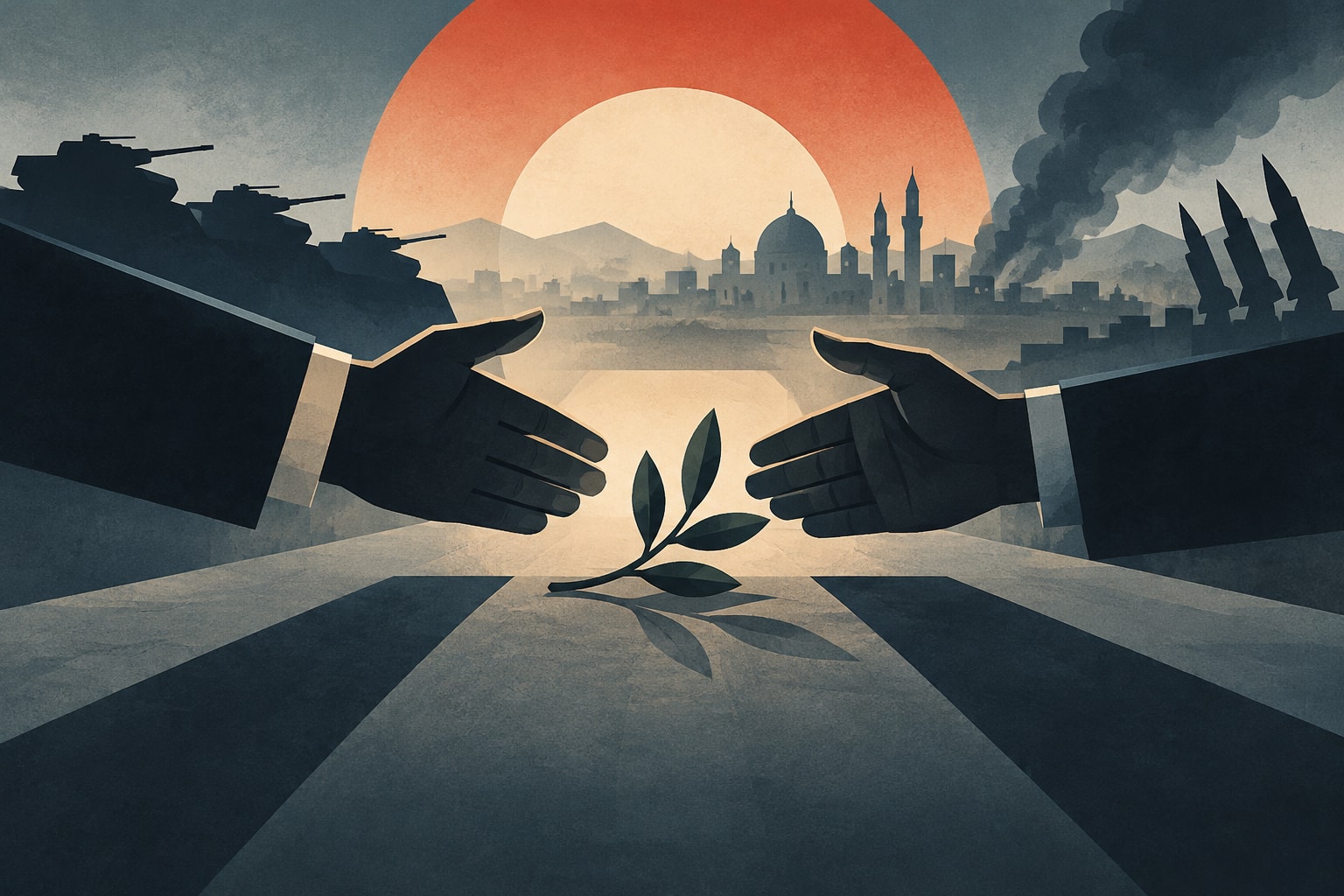
Senator Marco Rubio emphasizes Trump's preference for a diplomatic approach to the ongoing conflict with Iran, despite rising tensions.
What's Happening
- •Senator Marco Rubio stated that President Trump prefers a diplomatic resolution to the conflict with Iran.
- •There are growing concerns about military action as tensions rise in the region.
- •Tucker Carlson has publicly warned against the potential for military escalation.
Why It Matters
The potential for military action in Iran directly affects service members and their families, as decisions made at the political level can lead to deployments or changes in mission focus. Understanding the administration's stance on diplomacy versus military action can help military families prepare for any changes that may arise.
What Changes Now
- •The emphasis on diplomacy may alter the operational focus for units in the Middle East. This could lead to changes in training and deployment schedules for units like the 82nd Airborne Division.
- •Service members may experience a shift in mission priorities from combat readiness to diplomatic support. This change can affect morale and expectations regarding future deployments.
- •Military families should prepare for potential changes in deployment timelines and mission types. Engaging with support networks can provide necessary resources and updates.
What to Watch
- •Upcoming congressional hearings on military funding and strategy will be critical. These discussions could shape the future of U.S. military engagement in Iran.
- •Official communications from the Department of Defense regarding operational changes will be important to monitor. Service members should stay informed through their chain of command.
- •Statements from President Trump and key administration officials will provide insight into the administration's strategic direction. These announcements can impact military readiness and deployment decisions.
Get the Daily Briefing
Military and veteran news that actually affects you, in your inbox each morning.
More Context
- •Current State of U.S.-Iran Relations: The relationship between the United States and Iran has been fraught with tension, particularly following the U.S. withdrawal from the nuclear deal in 2018. Recent military movements and rhetoric have heightened fears of a potential conflict, leading to discussions among U.S. leaders about the best path forward. Senator Rubio's comments reflect a desire within some political circles to avoid military engagement, suggesting that diplomatic channels remain a priority. This approach may resonate with military families concerned about the safety of their loved ones deployed in the region.
- •Implications for Service Members: For active-duty service members, particularly those in the Middle East, the emphasis on diplomacy could mean a shift in operational focus. Units like the 101st Airborne Division and other combat arms units may find their missions evolving from potential combat readiness to supporting diplomatic efforts. This change could affect training schedules, deployment timelines, and overall morale among troops who may feel uncertain about their future roles. Understanding these dynamics is crucial for service members and their families as they navigate the implications of U.S. foreign policy.
- •What This Means for Military Families: Military families, especially those with members in the Army, Navy, and Air Force, should stay informed about potential changes in deployment and operational priorities. If tensions ease, it may lead to shorter deployments or a focus on humanitarian missions rather than combat operations. Families can prepare by engaging with their local Family Readiness Groups (FRGs) or similar organizations to receive updates and support. Staying connected with fellow military families can also provide a sense of community and shared understanding during uncertain times.
- •Looking Ahead: Monitoring Developments: As the situation evolves, it is essential for service members and their families to monitor official communications from the Department of Defense and their respective branches. Key decisions regarding military engagement in Iran will likely come from the White House and Congress, impacting policy and operational directives. Upcoming congressional hearings and discussions on military funding and strategy will be critical to watch, as they may influence future deployments and military readiness. Engaging with resources like the Defense.gov website can provide timely updates.
Frequently Asked Questions
Does this affect Guard members on Title 10 orders?
Yes, any changes in U.S. military strategy regarding Iran could impact National Guard members serving on Title 10 orders, potentially altering their missions or deployment timelines.
Will my BAH change if I move duty stations mid-year?
Your Basic Allowance for Housing (BAH) may change if you move to a new duty station, as BAH rates vary by location. It's important to update your information in the Defense Finance and Accounting Service (DFAS) system.
The Daily Briefing
Military & veteran news that actually affects you — delivered every morning.
- Pay, benefits & policy changes
- Pentagon decisions that matter
- VA updates for veterans & families
- One email. No spam. Unsubscribe anytime.
Related Stories
- T-38 Crash Caused by Under-Torqued Pin: Key Findings and Implications— Air & Space Forces Magazine
- NORAD F-16s Conduct Homeland Defense Mission in Alaska's Aleutian Islands— Air & Space Forces Magazine
- Gulf War Air Campaign Map Featured in New Smithsonian Exhibit— Air & Space Forces Magazine
- Chariot Defense Develops Innovative Power Solutions for the Robotic Battlefield— Army Times