Japan to Ease Arms Export Rules, Allies Express Interest
Anticipated changes to Japan's arms export policies are generating significant interest from U.S. allies.
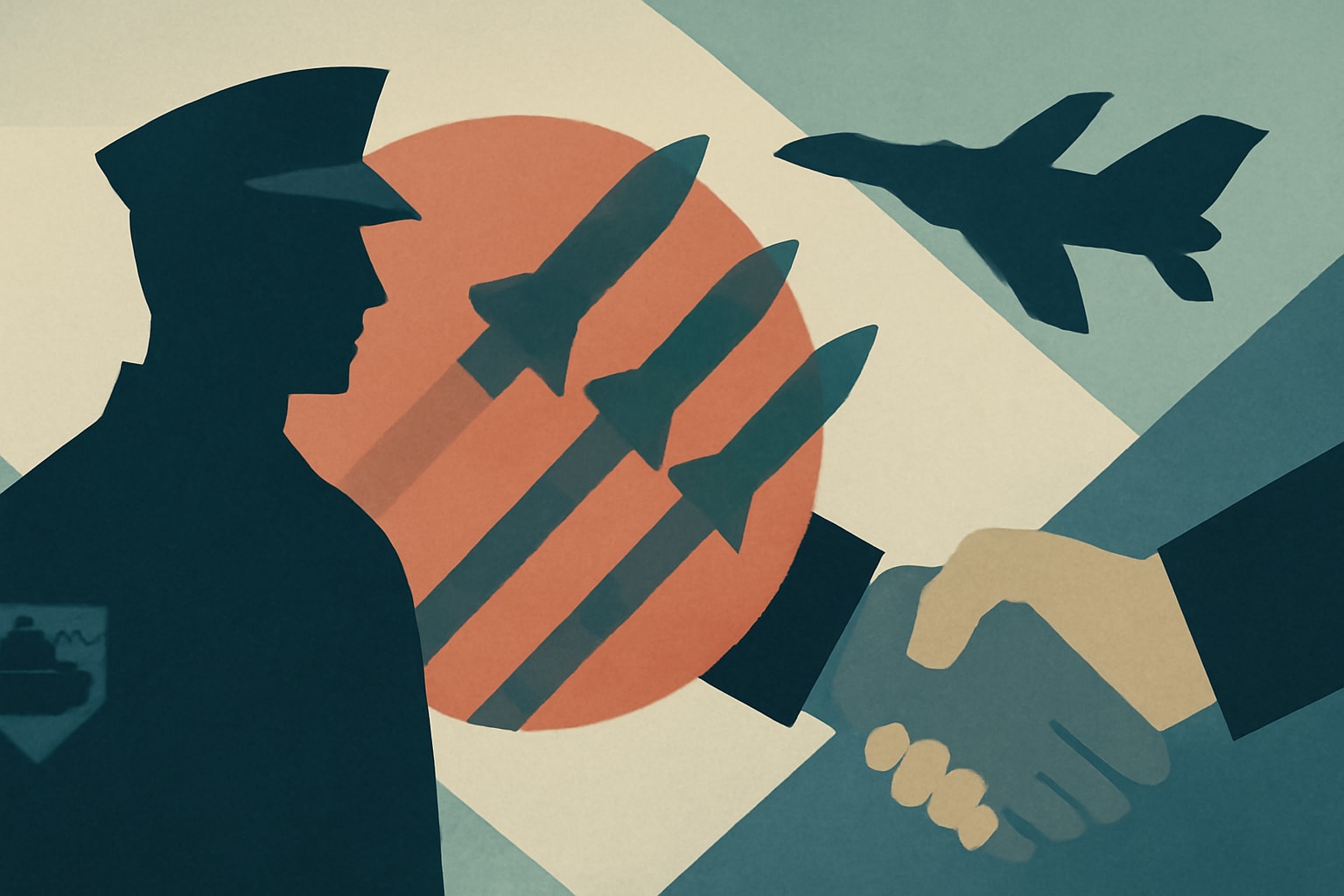
What's Happening
- •Japan is set to significantly relax its arms export regulations in April 2026.
- •Countries like Poland and the Philippines are expressing strong interest in acquiring Japanese military technology.
- •This policy change marks Japan's most significant shift in arms export rules since World War II.
Why It Matters
Japan's decision to ease arms export restrictions represents a significant shift in its defense posture, potentially leading to new military partnerships and access to advanced technologies for U.S. allies. This policy change is particularly relevant for service members and defense contractors, as it may influence equipment availability and international collaboration in security efforts.
What Changes Now
- •Allied nations can now explore new sources for military equipment from Japan. This diversification may enhance their defense capabilities and reduce reliance on traditional suppliers.
- •Defense contractors in the U.S. may face increased competition from Japanese companies entering the global arms market. This could lead to innovation and changes in pricing dynamics within the industry.
- •Japan's new policy allows for a wider range of defense articles to be exported. This could include advanced military hardware, impacting the technological landscape of military operations.
What to Watch
- •The specific details of Japan's revised export rules are being finalized. Observers should pay attention to announcements expected in the coming months for clarity on what will be available for export.
- •The first arms deals resulting from this policy change are anticipated within the next year. These deals will provide insight into Japan's strategic partnerships and the types of equipment being exported.
- •The reaction from other major arms exporters, particularly the U.S., will be crucial. Their response will shape future competition and collaboration in the global arms market.
Get the Daily Briefing
Military and veteran news that actually affects you, in your inbox each morning.
More Context
- •Japan's Policy Shift: In April 2026, Japan will implement a major change to its arms export regulations, allowing for a broader range of military exports. This shift is seen as a response to increasing regional security concerns and Japan's desire to enhance its role in global security cooperation. Historically, Japan has maintained a pacifist stance, but this new policy indicates a willingness to engage more actively in international defense partnerships.
- •Interest from Allies: Countries such as Poland and the Philippines are closely monitoring Japan's evolving arms export policies. Poland, in particular, is modernizing its military in light of security challenges in Eastern Europe and views Japan as a potential supplier of advanced defense technology. Meanwhile, the Philippines seeks to bolster its maritime security capabilities, making Japan's offerings particularly appealing as they look to diversify their sources of military equipment.
- •Implications for the Global Arms Market: Japan's easing of arms export restrictions could significantly reshape the global arms market. As Japan opens its doors to international sales, it may create new opportunities for defense contractors and alter the balance of power in key regions. The United States and other major arms exporters will be watching closely, as Japan's entry into the market could impact their own market shares and strategic interests.
- •Challenges Ahead: Despite the potential benefits, Japan faces challenges in implementing its new arms export policy. Establishing robust export control mechanisms will be crucial to prevent technology from falling into the wrong hands. Additionally, Japan must navigate complex political dynamics, as some nations may view its increased arms exports with skepticism, requiring careful diplomatic engagement.
- •Looking Forward: The specifics of the types of military equipment Japan will export are still under discussion, but analysts anticipate a focus on areas where Japan excels, such as naval vessels and advanced sensors. The first arms deals resulting from this policy change are expected to be announced within the next year, providing clearer insights into how this shift will affect the global arms landscape and military readiness.
Veteran Take
For those who've served, Japan's shift in arms export policies signals a new era of collaboration that could enhance our collective security. This change may open doors for advanced technologies and strengthen alliances, which is crucial for maintaining peace in a volatile region. Veterans navigating this landscape will need to stay informed, as these developments could impact future missions and the resources available to our armed forces.
The Daily Briefing
Military & veteran news that actually affects you — delivered every morning.
- Pay, benefits & policy changes
- Pentagon decisions that matter
- VA updates for veterans & families
- One email. No spam. Unsubscribe anytime.
Related Stories
- U.S. Army Returns to Jungle Training with Panamanian Forces— Military Times
- Archbishop Advises Against Catholic Participation in Army Firing Squads— Military Times
- Northrop Grumman’s YFQ-48A CCA Completes First Fully Autonomous Flight— Defense News
- US Army Helicopter Pilots Test New In-Flight Relief System— Military Times