F-16 Crashes in Michigan, Pilot Ejects and Responders Exposed to Chemicals
An F-16 jet crashed during a routine training mission, with some emergency responders treated for toxic chemical exposure.
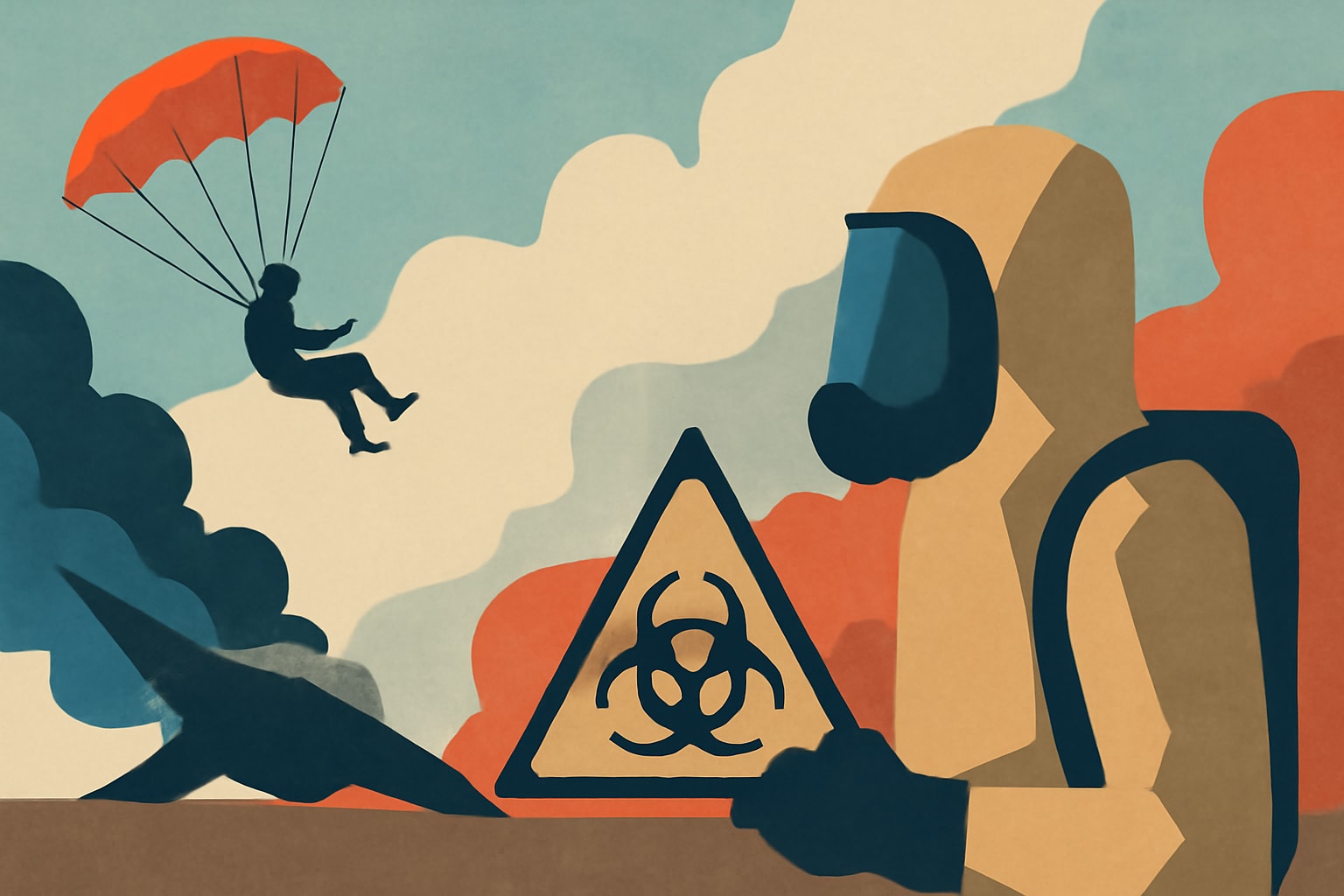
What's Happening
- •An F-16 fighter jet crashed during a routine training mission in Michigan.
- •The pilot successfully ejected from the aircraft before the crash.
- •Emergency responders at the scene were treated for chemical exposure.
Why It Matters
This incident highlights the inherent risks associated with military training missions and the importance of safety protocols. For active-duty service members and their families, understanding these risks is crucial for ensuring the safety of personnel both in the air and on the ground.
What Changes Now
- •Emergency response protocols may be updated to address chemical exposure risks. This change is essential to protect the health and safety of responders during aircraft accidents.
- •Military training exercises may be reviewed for safety compliance. This review will involve assessing the procedures in place to prevent accidents and ensure pilot safety.
- •The incident may lead to increased training for emergency responders on handling hazardous materials. This training will help prepare them for future incidents involving aircraft crashes.
What to Watch
- •Look for updates on the investigation into the crash. The timeline for this investigation is typically several weeks, with findings expected to influence future training protocols.
- •Monitor announcements from military leadership regarding changes to training safety measures. These changes could be implemented as early as the next training cycle.
- •Watch for health updates regarding responders treated for chemical exposure. Their recovery and any long-term effects will be important for assessing safety protocols.
Get the Daily Briefing
Military and veteran news that actually affects you, in your inbox each morning.
More Context
- •Details of the Incident: The F-16 crash occurred during a scheduled training exercise, which is a common practice for military pilots to maintain their skills. The pilot's ejection indicates that safety protocols were followed, allowing for a successful escape from the aircraft before impact.
- •Emergency Response and Chemical Exposure: Following the crash, emergency responders arrived on the scene to manage the situation. However, some responders were treated for exposure to toxic chemicals, which raises concerns about the safety measures in place during such incidents and the potential risks involved in handling aircraft wreckage.
- •Impact on Military Operations: This incident may prompt a review of safety protocols for training missions involving F-16s and other aircraft. Military leadership will likely assess the circumstances surrounding the crash to prevent future occurrences and ensure the safety of personnel involved in training exercises.
Frequently Asked Questions
Does this incident affect Air Force training schedules?
Yes, there may be temporary adjustments to training schedules as safety reviews are conducted following the crash.
What should I do if I was exposed to chemicals during the response?
If you were involved in the response and believe you were exposed to chemicals, seek medical attention immediately and report the incident to your supervisor.
The Daily Briefing
Military & veteran news that actually affects you — delivered every morning.
- Pay, benefits & policy changes
- Pentagon decisions that matter
- VA updates for veterans & families
- One email. No spam. Unsubscribe anytime.
Related Stories
- Soldier Identified Following Rollover Crash at Fort Hood— Military Times
- Long Deployments Overwhelm Navy's Mental Health Resources— Military Times
- Army Launches New Drone Training Program for Tactical Specialists— Task & Purpose
- Conflicts of Interest in Military Housing Raise Concerns for Service Members— Federal News Network