Winter Is Always Coming: Training Soldiers of the 11th Airborne Division
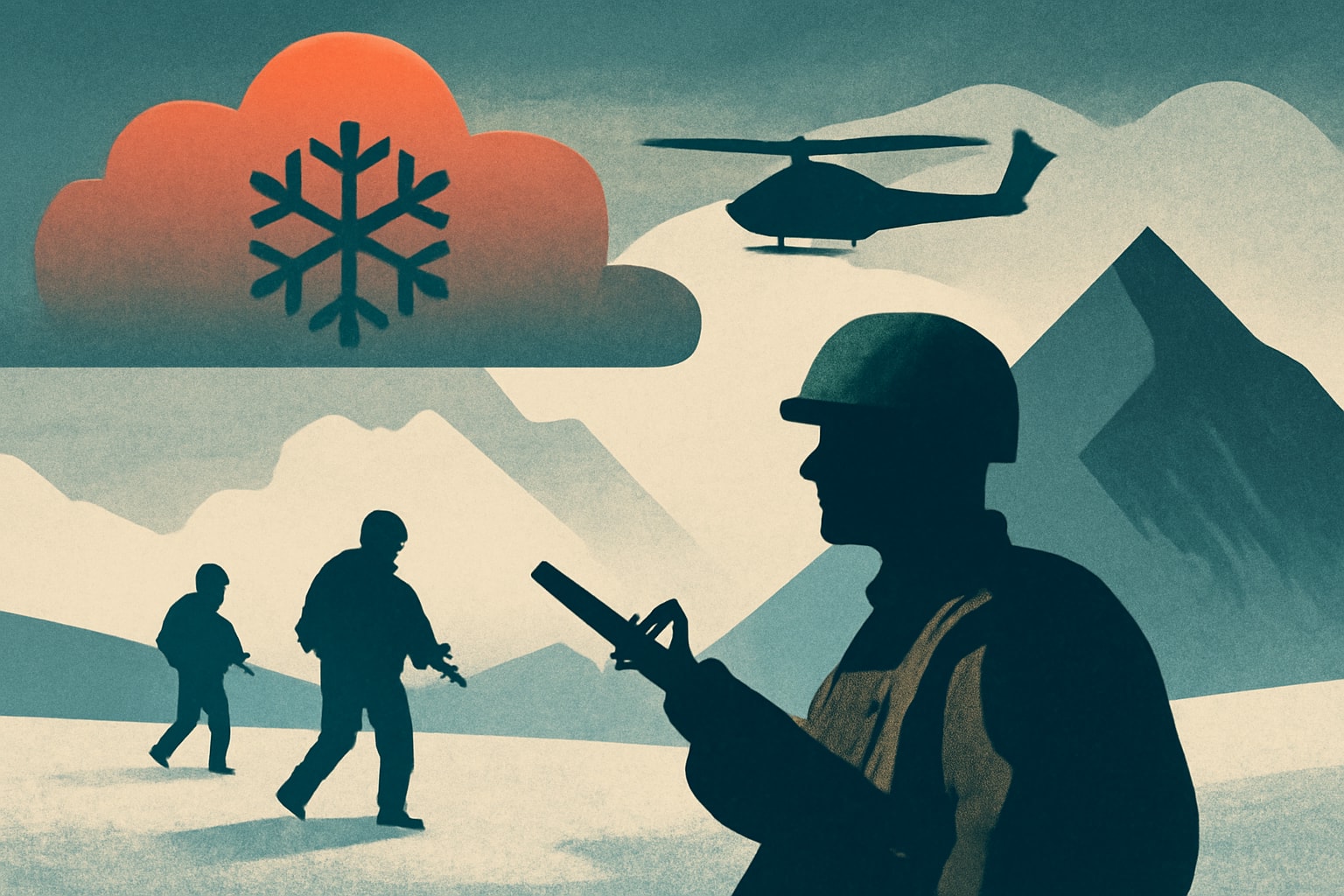
Soldiers of the 11th Airborne Division face unique challenges in Alaska's harsh winter environment.
What's Happening
- •The 11th Airborne Division is conducting winter survival training in Alaska.
- •Soldiers are learning to navigate and operate in extreme cold conditions.
- •Training includes skills for combat readiness in harsh winter environments.
Why It Matters
The training soldiers receive in winter conditions is crucial for their survival and effectiveness in combat. For service members stationed in Alaska or similar environments, mastering these skills can mean the difference between life and death in extreme situations.
What Changes Now
- •The 11th Airborne Division is implementing new winter survival training protocols. These protocols will include enhanced techniques for navigating and operating in extreme cold, effective immediately.
- •Soldiers will begin receiving updated gear designed for better insulation and mobility in winter conditions. This gear will be distributed during the upcoming training exercises scheduled for late October.
- •Training schedules will now incorporate more frequent winter exercises to ensure soldiers maintain their skills year-round. This change will affect all units within the division and is aimed at improving overall readiness.
What to Watch
- •Upcoming winter training exercises will begin in late October. These exercises will provide soldiers with hands-on experience in cold-weather operations.
- •The division plans to evaluate the effectiveness of the new training protocols by the end of the winter season. This evaluation will inform future training strategies and gear improvements.
- •Watch for reports on soldier performance during these exercises, which may influence future training curricula and resource allocation.
Get the Daily Briefing
Military and veteran news that actually affects you, in your inbox each morning.
More Context
- •The Unique Challenges of Winter Training: Training in Alaska presents distinct challenges for soldiers, especially those in the 11th Airborne Division. The extreme cold, rugged terrain, and potential for severe weather require specialized training to ensure soldiers can operate effectively. This training is not just about surviving the cold; it’s about maintaining combat readiness in a hostile environment. Soldiers must adapt their tactics, techniques, and procedures to function in sub-zero temperatures and snow-covered landscapes.
- •Survival Skills and Combat Readiness: Survival skills are a critical focus during the winter training exercises. Soldiers learn how to build shelters, start fires, and navigate using natural landmarks. These skills are essential not only for survival but also for maintaining operational effectiveness during deployments. The training emphasizes teamwork and resourcefulness, as soldiers must rely on each other and their training to overcome the challenges posed by the Alaskan wilderness.
- •Impact on Service Members: This rigorous training impacts service members across various ranks, particularly E-4 to E-6 soldiers in combat arms MOSs. These soldiers are often tasked with leading their peers during training exercises, which enhances their leadership skills and prepares them for future responsibilities. Additionally, the experience gained during these winter exercises can be invaluable for those who may be deployed to similar environments in the future.
- •Future Training Developments: As the 11th Airborne Division continues to refine its winter training programs, there are plans to incorporate advanced technology and techniques. This includes using simulation tools to prepare soldiers for real-world scenarios they may face in cold-weather operations. The ongoing evolution of training methods aims to enhance the effectiveness and safety of soldiers in extreme conditions, ensuring they are always prepared for the challenges of winter.
Frequently Asked Questions
What should I wear for winter training in Alaska?
Wear layers of moisture-wicking and insulated clothing, including thermal base layers, waterproof outer layers, and insulated boots.
How can I prepare for winter survival training?
Familiarize yourself with cold-weather survival techniques and ensure your gear is suitable for extreme conditions.
Will there be additional training for winter operations?
Yes, the 11th Airborne Division will conduct ongoing winter training exercises throughout the winter season.
The Daily Briefing
Military & veteran news that actually affects you — delivered every morning.
- Pay, benefits & policy changes
- Pentagon decisions that matter
- VA updates for veterans & families
- One email. No spam. Unsubscribe anytime.
Related Stories
- PCS Organization Set to Become Standalone Agency by Year-End— Federal News Network
- Sig Sauer Introduces New Suppressors to Reduce Toxic Fumes in Military Use— Military Times
- Terror Suspects Wanted to Inflict Damage on US-Used Air Base— Military Times
- F-16 Fighter Jet Crashes at U.S. Air Base in Western Germany— Military Times