NATO Explores Ground Robots in Combat Near Russian Border
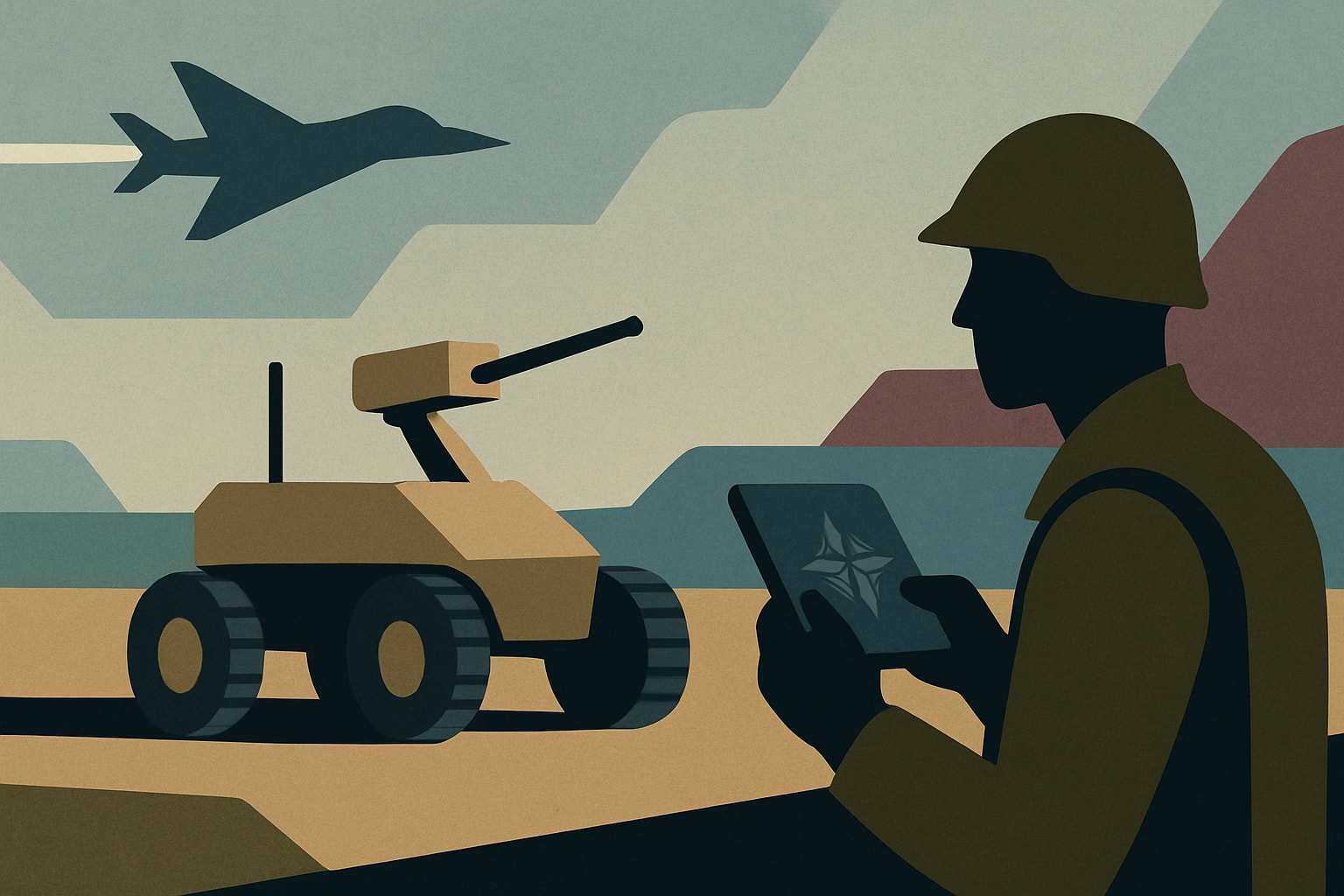
NATO is assessing the potential of ground robots in combat scenarios, recognizing a lag in technology compared to air drones.
What's Happening
- •NATO is currently evaluating the use of ground robots for combat operations.
- •A Latvian commander highlighted a lag in technology compared to air drones.
- •The focus is on enhancing ground capabilities in response to regional threats.
Why It Matters
The exploration of ground robots by NATO signifies a critical shift in military strategy, particularly in response to heightened tensions with Russia. For service members, especially those in combat roles, this development could lead to new training requirements and operational changes, impacting their readiness and effectiveness in future conflicts.
What Changes Now
- •NATO is prioritizing the development of ground robotics for combat. This change means that military planners will need to adjust training and operational strategies to incorporate these new technologies effectively.
- •Service members may receive updated training on the use of ground robots. This training will be essential to ensure that troops are prepared to operate alongside these advanced systems in the field.
- •The focus on ground robots will likely lead to new career opportunities within the military. Soldiers interested in technology and engineering may find new pathways for advancement as these systems become integral to operations.
What to Watch
- •Upcoming NATO exercises may include ground robotics in their operations. These exercises will provide valuable data on the effectiveness and integration of these systems in real-world scenarios.
- •Decisions regarding funding for ground robotics development are expected soon. The outcomes of these decisions will significantly influence the pace at which NATO can implement these technologies.
- •NATO leadership will likely make announcements on the strategic direction of ground robotics. Monitoring these updates will be crucial for understanding how military capabilities are evolving in response to regional threats.
Get the Daily Briefing
Military and veteran news that actually affects you, in your inbox each morning.
More Context
- •Current State of NATO's Ground Robotics: NATO has been primarily focused on air drones for surveillance and combat support, but recent discussions have shifted towards integrating ground robots into military operations. This transition is driven by the need for enhanced ground capabilities to address evolving threats, particularly in Eastern Europe, where tensions with Russia remain high. The integration of ground robots could provide NATO forces with improved situational awareness and operational efficiency.
- •Challenges in Implementation: Despite the potential benefits, NATO faces several challenges in implementing ground robotics. One significant hurdle is the current technological gap between air and ground systems, as noted by military leaders. The reliance on air drones has limited the development and deployment of ground robots, necessitating a strategic shift to ensure that ground forces are adequately equipped for modern warfare.
- •Implications for Service Members: The shift towards ground robots may have direct implications for service members, particularly those in combat arms and technology-focused roles. Active duty soldiers in ranks E-4 to E-6, especially those in military occupational specialties related to engineering and technology, may see new training requirements and operational protocols as ground robots are integrated into missions. This evolution could also lead to new career opportunities in robotics and technology management within the military.
- •Future Developments to Monitor: As NATO continues to explore the use of ground robots, several developments are worth monitoring. Upcoming NATO exercises may incorporate ground robotics, providing insights into their effectiveness in combat scenarios. Additionally, decisions regarding funding and research initiatives for ground robotics will be critical in determining the pace of this technological integration. Stakeholders should keep an eye on announcements from NATO leadership regarding these initiatives.
Frequently Asked Questions
Does this affect Guard members on Title 10 orders?
Yes, Guard members on Title 10 orders may be involved in training and operations utilizing ground robots as NATO integrates this technology.
Will my BAH change if I move duty stations mid-year?
Yes, a change in duty stations can affect your Basic Allowance for Housing (BAH). It is important to update your information in the Defense Finance and Accounting Service (DFAS) system.
Veteran Take
For those who've served, the introduction of ground robots in combat scenarios represents both an exciting advancement and a significant shift in how we view warfare. We know firsthand the challenges of adapting to new technologies, and this move could reshape training and operational tactics for future generations. As tensions rise, it's crucial for veterans to stay informed about these developments, as they will ultimately influence the dynamics of conflict and the safety of our troops.
The Daily Briefing
Military & veteran news that actually affects you — delivered every morning.
- Pay, benefits & policy changes
- Pentagon decisions that matter
- VA updates for veterans & families
- One email. No spam. Unsubscribe anytime.
Related Stories
- Former Fort Hood Soldier Sentenced to Nearly Six Years for Hacking Scheme— Task & Purpose
- Four Airmen Awarded Distinguished Flying Cross for Kabul Evacuation Actions— Task & Purpose
- US Army Awards Lockheed Martin $1.2B PrSM Contract— Army Times
- Hegseth to Chair Pentagon’s New Homeland Defense Advisory Board— Defense News