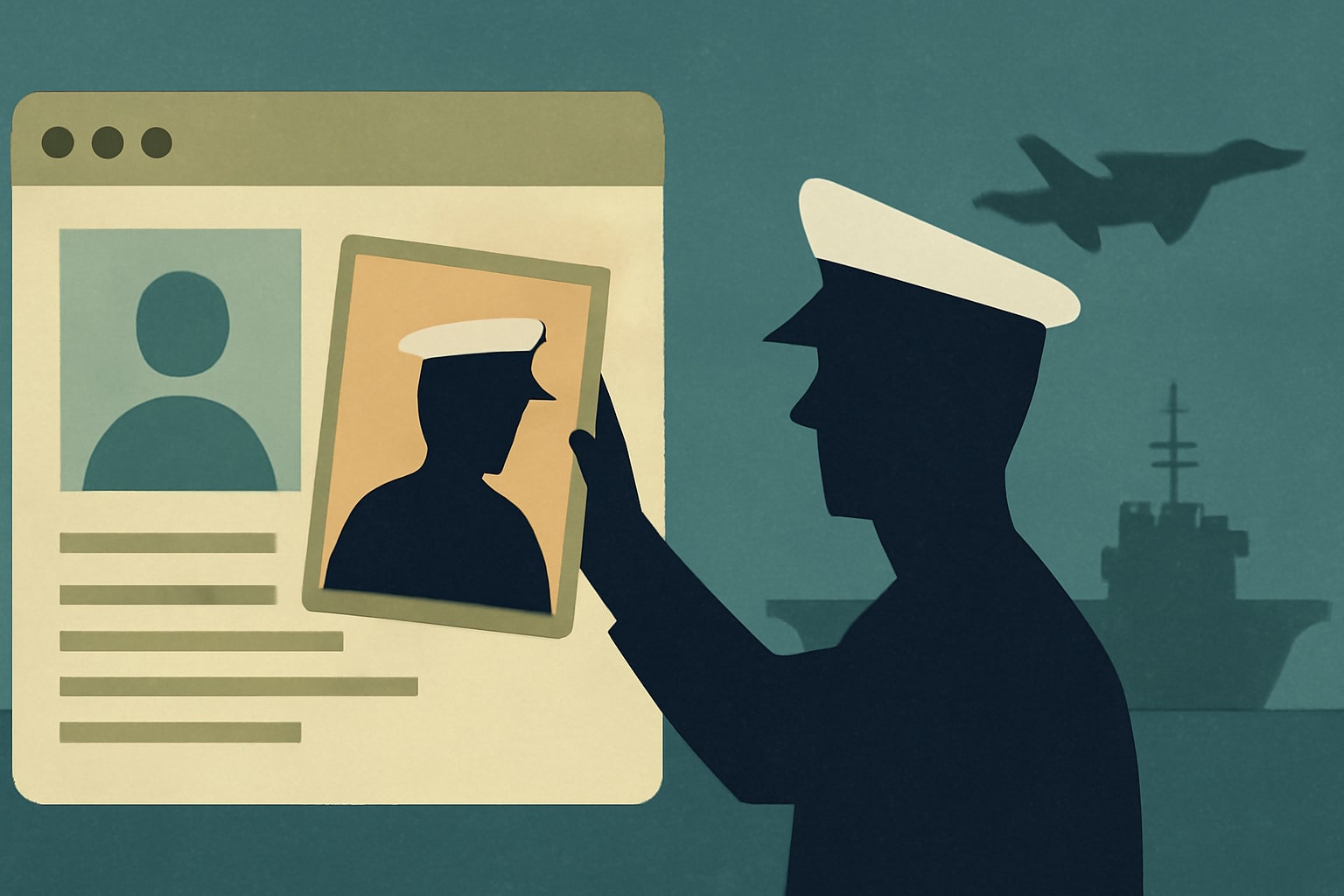
Navy Instructs Commands to Remove Portraits, Biographies from Websites
The Navy has ordered commands to stop publishing leadership portraits and biographies online to enhance security measures.
What's Happening
- •The Navy has mandated that commands led by vice admirals and lower ranks remove portraits and biographies from their websites.
- •This decision is part of a broader initiative to enhance security for Navy personnel and operations.
- •The policy applies to all commands, including those in the Active Duty, Reserve, and National Guard components.
Why It Matters
This policy change emphasizes the Navy's commitment to enhancing security measures in an era of increasing threats. For service members and their families, understanding these changes is crucial as they navigate the implications for communication and engagement with leadership.
What Changes Now
- •All commands must remove portraits and biographies of leadership from their websites. This change is effective immediately and requires prompt action from commanding officers.
- •Commands are expected to update their online presence to align with the new policy. This may involve redesigning web pages to maintain operational security.
- •Commanding officers will need to communicate the importance of this policy to their teams. This ensures that all personnel understand the rationale behind the changes.
What to Watch
- •Monitor compliance with the new policy across various commands. Commanding officers will be responsible for ensuring that all leadership profiles are removed.
- •Watch for additional guidance from the Navy regarding communication strategies. This may include how to maintain transparency without compromising security.
- •Keep an eye on any updates or adjustments to the policy as it is evaluated for effectiveness in enhancing security.
Get the Daily Briefing
Military and veteran news that actually affects you, in your inbox each morning.
More Context
- •Reason Behind the Policy Change: The Navy's decision to eliminate online portraits and biographies stems from growing concerns about security and operational integrity. By removing identifiable information about leadership, the Navy aims to mitigate risks associated with targeted threats. This change is particularly relevant in the context of increasing cyber threats and the need for operational security, especially for commands that may be involved in sensitive missions.
- •Who is Affected by This Change?: The new policy affects all commands led by vice admirals and personnel of lower ranks, including commanders and senior enlisted leaders. This includes Active Duty service members, as well as those in the Reserve and National Guard components. For junior officers and enlisted personnel, this shift may alter how they engage with their leadership and the public, as they will no longer have access to online profiles that previously provided insights into their leaders’ backgrounds and experiences.
- •Immediate Changes and Practical Implications: Effective immediately, commands must review their websites and remove any existing portraits and biographies of leadership personnel. This change requires commands to ensure that their online presence aligns with the new policy, which may involve updating or redesigning their web pages. Commanding officers are responsible for implementing this directive and must communicate the importance of operational security to their teams.
- •What to Watch Moving Forward: As this policy is rolled out, commands will need to monitor compliance and report any issues to their superiors. Additionally, the Navy may provide further guidance on how to maintain transparency and communication without compromising security. It will be important to watch for any updates or adjustments to this policy as the Navy evaluates its effectiveness in enhancing security.
Frequently Asked Questions
Does this affect Guard members on Title 10 orders?
Yes, the policy applies to all commands, including those in the National Guard on Title 10 orders.
Are there exceptions to this policy?
Currently, there are no exceptions mentioned; all commands must comply with the directive.
What should I do if my command has not yet removed these profiles?
You should report this to your commanding officer to ensure compliance with the new policy.
Veteran Take
For those who've served, the removal of leadership portraits and biographies from Navy websites is a stark reminder of the evolving nature of security threats we face. This change may feel like a step back in transparency, but we understand that protecting our people and operations is paramount. Veterans navigating this will need to adapt to a new way of engaging with leadership, which can be challenging but ultimately necessary for our safety.
The Daily Briefing
Military & veteran news that actually affects you — delivered every morning.
- Pay, benefits & policy changes
- Pentagon decisions that matter
- VA updates for veterans & families
- One email. No spam. Unsubscribe anytime.
Related Stories
- US Army Considers Balloons for Military Operations— Military Times
- US Army Expands Dining Options to Fit Modern Soldier Schedules— Military Times
- Renovation of Century-Old Homes at Fort Bragg Underway— Military Times
- Congress Evaluates Future Cost and Use of Marine Corps ACVs— Military Times