Military Services Implement Handheld Blood Testing for Traumatic Brain Injuries
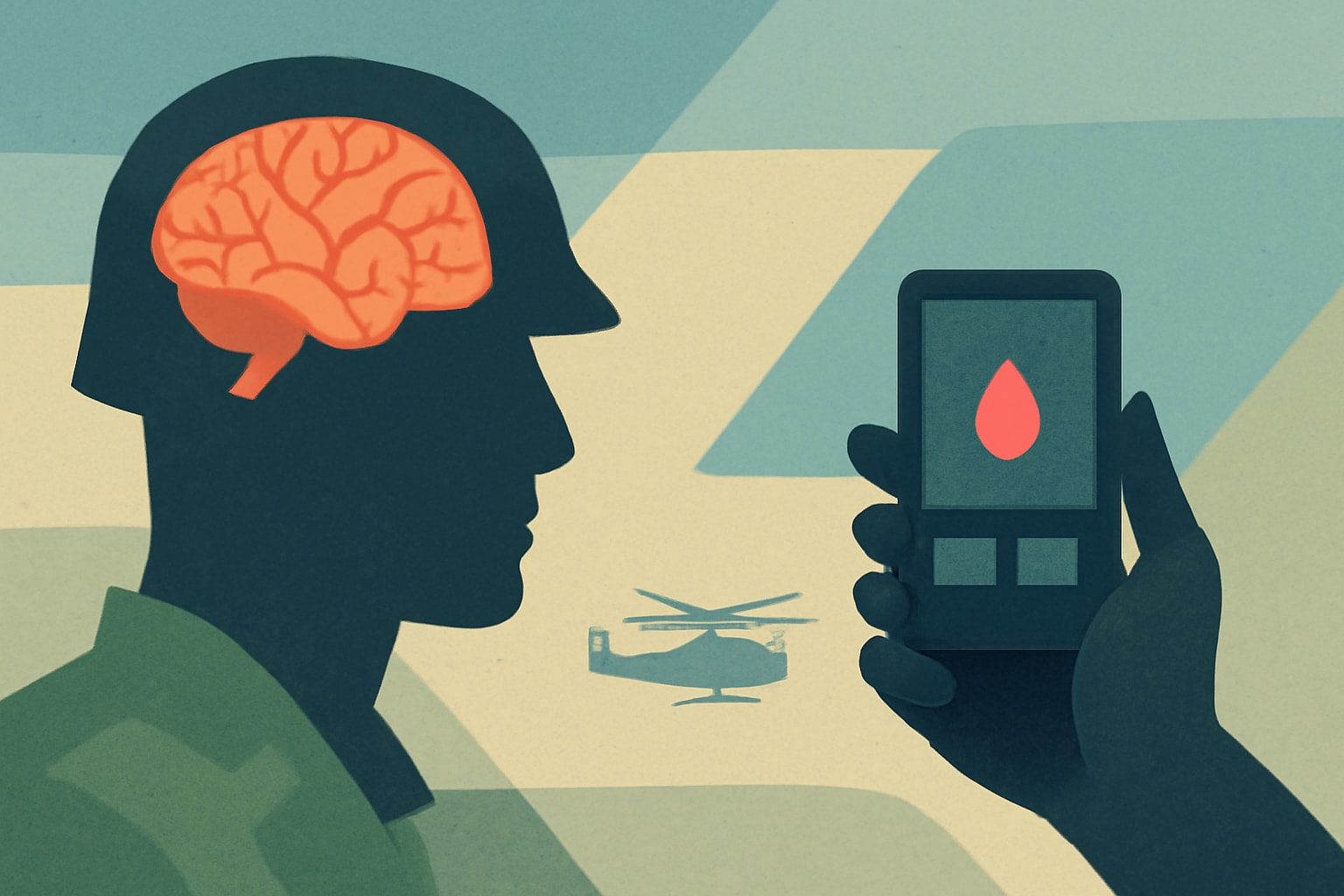
New handheld blood testing devices are being introduced to diagnose TBIs, addressing rising injury rates among air defense personnel.
What's Happening
- •The military is introducing handheld blood testing devices to diagnose traumatic brain injuries (TBIs).
- •Col. Jessica Peck reported high rates of TBIs among air defense personnel in Central Command.
- •These devices aim to improve the speed and accuracy of TBI diagnoses in deployed settings.
Why It Matters
The introduction of handheld blood testing devices represents a significant advancement in military medicine, particularly for diagnosing traumatic brain injuries. For service members, timely diagnosis can lead to better treatment outcomes and improved operational effectiveness, addressing a critical health issue that affects readiness and quality of life.
What Changes Now
- •The military will begin using handheld blood testing devices for TBI diagnosis. This change will allow for quicker medical assessments in the field, enhancing the care provided to service members.
- •Medics will receive training on how to operate these new devices effectively. This training will ensure that personnel are prepared to utilize the technology during deployments.
- •The integration of these devices into existing medical protocols is expected to occur within the next few months. This timeline is critical for ensuring that service members can benefit from the advancements as soon as possible.
What to Watch
- •The effectiveness of the handheld devices will be evaluated in upcoming military exercises. These evaluations are crucial for determining how well the devices perform in real-world conditions.
- •Feedback from medics using the devices will be collected over the next six months. This feedback will inform further improvements and adjustments to the technology and its deployment.
- •Any changes to medical protocols regarding TBI assessments will be communicated to service members and their families. Staying informed about these updates is essential for those affected.
Get the Daily Briefing
Military and veteran news that actually affects you, in your inbox each morning.
More Context
- •The Need for Rapid TBI Diagnosis: Traumatic brain injuries are a significant concern for military personnel, particularly those in high-stress environments like air defense. According to Col. Jessica Peck, the command surgeon, the rates of TBIs in Central Command are disproportionately high, which can severely impact a service member's effectiveness. Even mild TBIs can affect coordination, emotional regulation, and decision-making, making rapid diagnosis crucial for maintaining operational readiness.
- •How Handheld Devices Work: The new handheld blood testing devices are designed to quickly analyze blood samples for biomarkers indicative of TBIs. These devices can be deployed in the field, allowing medics to assess injuries on-site rather than waiting for transport to a medical facility. This immediate feedback can lead to faster treatment decisions and potentially better outcomes for injured service members.
- •Impact on Service Members: Active duty personnel, especially those in combat roles such as E-4 to E-6 air defense soldiers, will benefit significantly from these advancements. The ability to diagnose TBIs rapidly means that soldiers can receive timely medical attention, reducing the risk of long-term cognitive impairments. Additionally, the implementation of this technology may also help in reducing the overall incidence of TBIs by promoting a culture of immediate medical evaluation.
- •Future Developments to Monitor: As the military rolls out these devices, it will be essential to monitor their effectiveness and integration into existing medical protocols. Upcoming evaluations are expected to assess how well these devices perform in real-world scenarios, with initial feedback anticipated within the next six months. Service members and their families should stay informed about any changes in medical procedures related to TBI assessments as these devices become standard.
Frequently Asked Questions
How will these devices affect TBI diagnosis in the field?
These devices will allow medics to diagnose TBIs on-site, leading to faster treatment and better outcomes.
Will all service members have access to this technology?
Initially, the focus will be on air defense personnel, but the goal is to expand access to other units over time.
What training will medics receive for these devices?
Medics will undergo specialized training to ensure they can effectively use the handheld testing devices in the field.
Veteran Take
For those who've served, the introduction of handheld blood testing for traumatic brain injuries is a game changer. We know all too well the long-term effects of TBIs and how crucial early diagnosis can be for recovery. This advancement not only enhances the immediate care for our troops but also reflects a growing recognition of the invisible wounds many veterans continue to face.
The Daily Briefing
Military & veteran news that actually affects you — delivered every morning.
- Pay, benefits & policy changes
- Pentagon decisions that matter
- VA updates for veterans & families
- One email. No spam. Unsubscribe anytime.
Related Stories
- US Army Considers Balloons for Military Operations— Military Times
- US Army Expands Dining Options to Fit Modern Soldier Schedules— Military Times
- Lockheed Martin Explores PAC-3 Interceptor Production for Ukraine— Military Times
- NATO Commander Asserts Alliance's Readiness to Respond to Threats— Military.com