Former Air Force Secretary Advocates for AI Over Human Operators
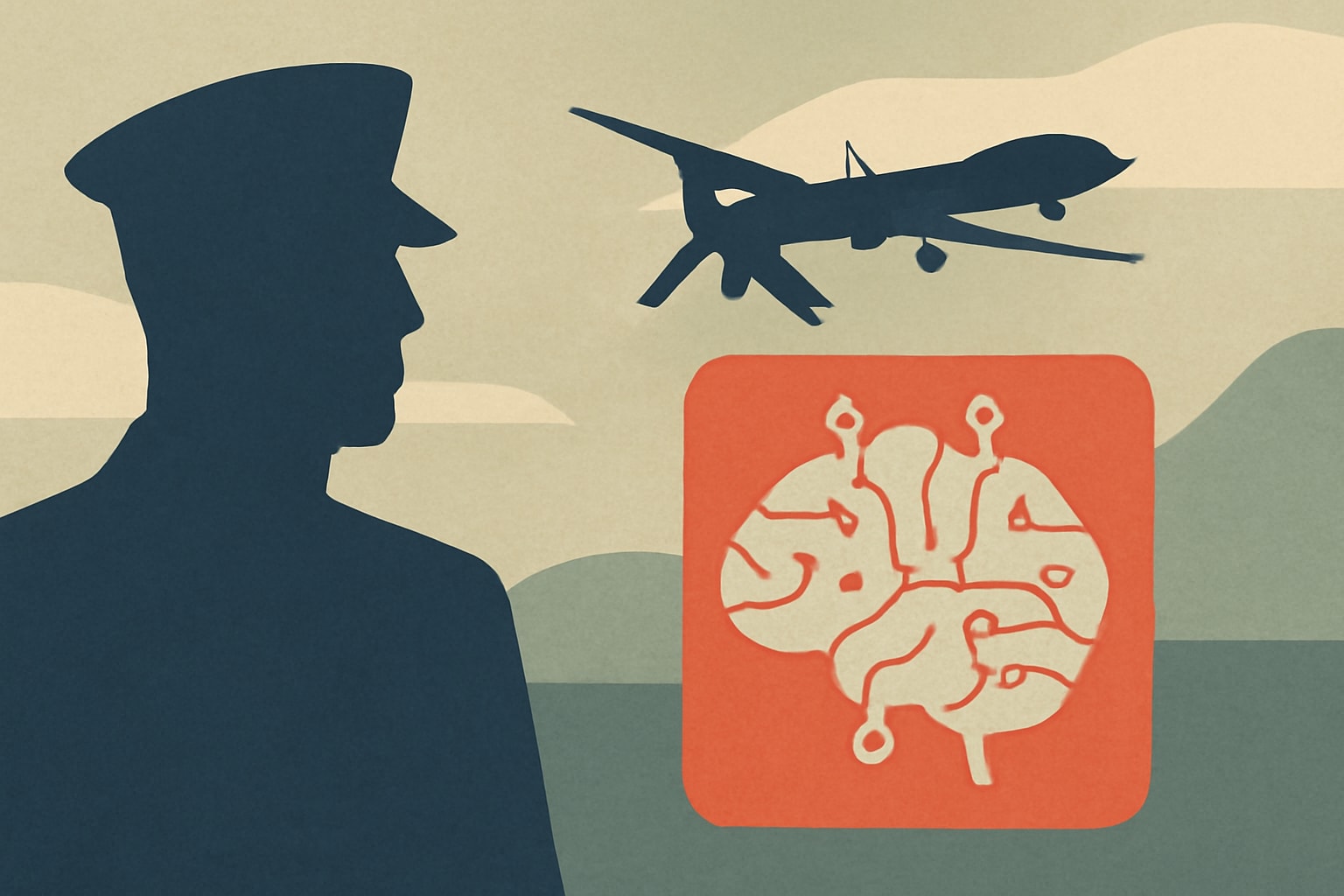
A former Air Force secretary emphasizes the potential of AI in military operations, challenging traditional human roles.
What's Happening
- •A former Air Force secretary has publicly advocated for the increased use of AI in military operations.
- •The official compared the effectiveness of machines against human operators in various scenarios.
- •This discussion highlights a growing trend in defense technology focusing on automation.
Why It Matters
The integration of AI into military operations could significantly change the landscape of defense strategies and personnel roles. For active-duty members and veterans, understanding these shifts is crucial as they may impact training, job functions, and overall military effectiveness.
What Changes Now
- •The military is exploring AI technologies for operational efficiency. This could lead to new training programs focusing on AI integration for service members.
- •Service members in technical roles may see their job functions evolve. They will need to adapt to new technologies and processes that incorporate AI.
- •Military leadership is beginning to draft guidelines for the use of AI in operations. These guidelines will be essential for ensuring ethical and effective use of AI systems.
What to Watch
- •Upcoming military training programs focused on AI integration will be rolled out next year. These programs will prepare service members for new technological roles.
- •The Department of Defense is expected to release a report on AI effectiveness by the end of the fiscal year. This report will provide insights into the future of AI in military operations.
- •Discussions around ethical guidelines for AI use in combat scenarios will continue in upcoming defense forums. The outcomes of these discussions will shape policy decisions.
Get the Daily Briefing
Military and veteran news that actually affects you, in your inbox each morning.
More Context
- •The Push for AI in Military Operations: In recent discussions, a former Air Force secretary has made a strong case for integrating artificial intelligence (AI) into military operations. The argument centers around the idea that AI can outperform human operators in certain tasks, particularly those that require rapid decision-making and data analysis. This perspective reflects a broader trend within the Department of Defense, where there is a push to leverage technology to enhance operational efficiency and effectiveness. As AI technology continues to advance, military leaders are increasingly exploring its potential applications across various domains, including logistics, surveillance, and combat operations.
- •Implications for Service Members: The advocacy for AI raises important questions for service members, particularly those in technical and operational roles. For example, Air Force pilots and intelligence analysts may find their roles evolving as AI systems take on more responsibilities. While AI can enhance capabilities, it also necessitates a shift in training and skill development to ensure that personnel can effectively work alongside these technologies. The integration of AI could lead to a reevaluation of job functions, requiring service members to adapt to new tools and methodologies in their daily operations.
- •Challenges and Considerations: Despite the potential benefits of AI, there are significant challenges that the military must address. Ethical considerations surrounding the use of AI in combat scenarios are paramount, as the delegation of life-and-death decisions to machines raises moral questions. Additionally, the reliability of AI systems in high-stakes environments remains a concern. Military leaders will need to establish clear guidelines and protocols to govern the use of AI, ensuring that human oversight remains a critical component of operations. As these discussions progress, it will be essential for service members and policymakers to engage in dialogues about the implications of AI on military effectiveness and accountability.
Frequently Asked Questions
Does this affect Guard members on Title 10 orders?
Yes, Guard members on Title 10 orders may be involved in training related to AI technologies as they become integrated into military operations.
Will my job change if I work in a technical role?
Yes, if you work in a technical role, your job may evolve to include collaboration with AI systems, requiring new skills and training.
Veteran Take
For those who've served, the push for AI in military operations raises important questions about our roles and the future of defense. We need to stay informed and adapt as technology evolves, but we must also advocate for the human element that has always been central to our success. Veterans navigating this shift will need to ensure that our experience and judgment remain valued in a landscape increasingly dominated by machines.
The Daily Briefing
Military & veteran news that actually affects you — delivered every morning.
- Pay, benefits & policy changes
- Pentagon decisions that matter
- VA updates for veterans & families
- One email. No spam. Unsubscribe anytime.
Related Stories
- US Army Considers Balloons for Military Operations— Military Times
- US Army Expands Dining Options to Fit Modern Soldier Schedules— Military Times
- Cyber Leaders Stress Need for Unified Operational Picture in Defense— Federal News Network
- Coast Guard Recruits Its Largest Class Since 1987, Yet Growth is Slowing— Military.com