Navy F/A-18 Disables Ship in Gulf of Oman with 20mm Cannon
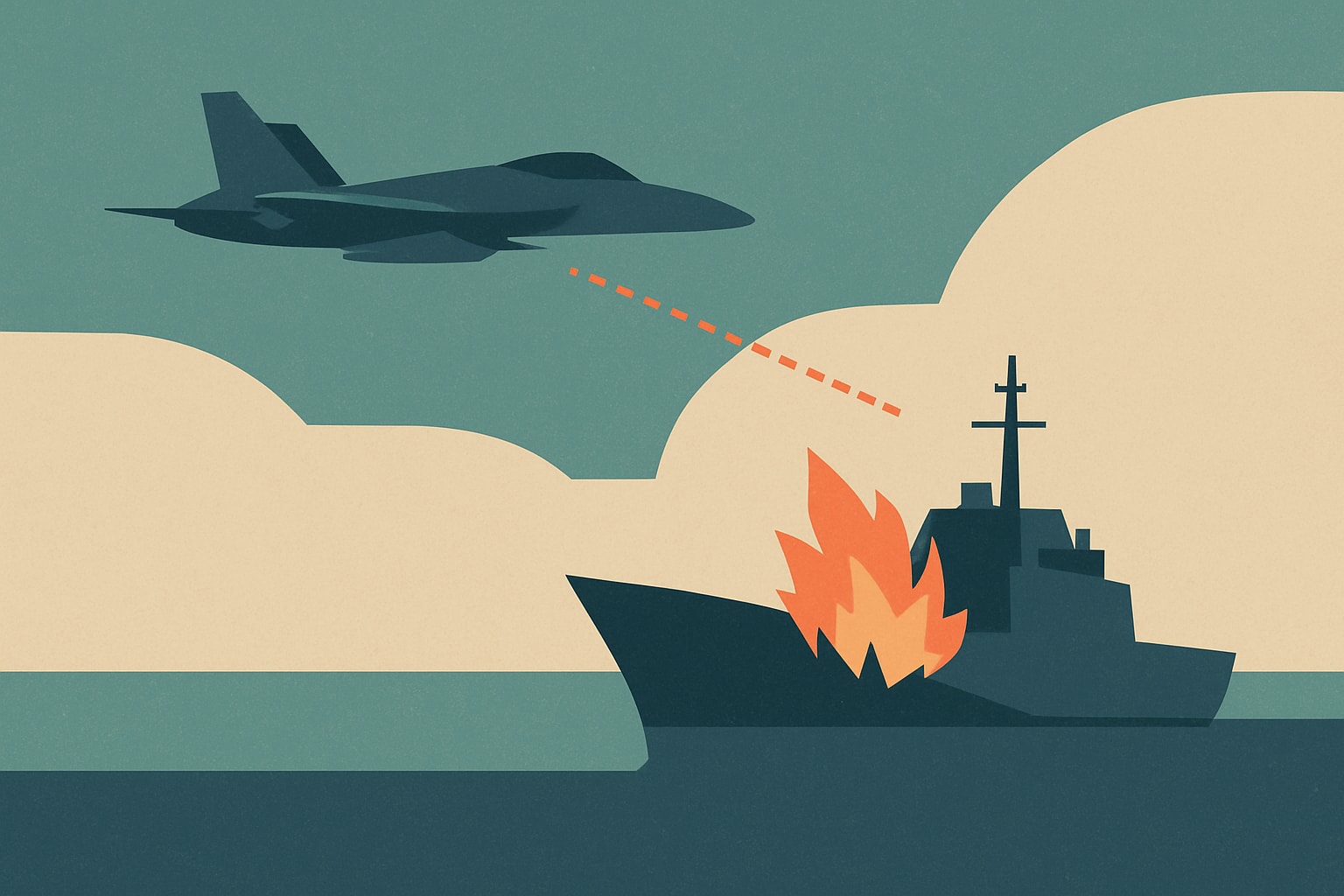
A Navy fighter from the USS Abraham Lincoln disabled a ship that failed to comply with warnings in the Gulf of Oman.
What's Happening
- •A Navy F/A-18 from the USS Abraham Lincoln disabled a ship in the Gulf of Oman.
- •The ship reportedly failed to comply with multiple warnings issued by U.S. military officials.
- •This incident highlights ongoing tensions in the region involving U.S. naval operations.
Why It Matters
This incident highlights the U.S. Navy's commitment to maintaining maritime security and enforcing international laws. For active-duty personnel and veterans, understanding these operations is essential as they relate to national security and military readiness.
What Changes Now
- •U.S. naval operations in the Gulf of Oman may see increased vigilance following this incident. This heightened awareness aims to prevent future non-compliance from vessels in the region.
- •Rules of engagement may be reviewed to ensure that military personnel are prepared for similar situations. This review could lead to updated training protocols for service members deployed in high-tension areas.
- •The incident may prompt further diplomatic discussions with regional partners. Such discussions are crucial for maintaining alliances and ensuring collective security in the Gulf.
What to Watch
- •Monitor U.S. Navy operations in the Gulf of Oman for potential changes in engagement protocols. Adjustments may be implemented as military leaders assess the effectiveness of current strategies.
- •Watch for reactions from Iran and other regional actors regarding this incident. Their responses could influence future military engagements and diplomatic relations.
- •Keep an eye on upcoming military exercises in the region, which may be adjusted in response to this incident. These exercises are critical for demonstrating U.S. military capabilities and commitment to allies.
Get the Daily Briefing
Military and veteran news that actually affects you, in your inbox each morning.
More Context
- •Background of the Incident: The incident occurred in the Gulf of Oman, a strategic waterway for global shipping and military operations. The USS Abraham Lincoln, an aircraft carrier, was conducting routine operations when the F/A-18 was deployed to address the non-compliant vessel. U.S. military officials stated that the ship ignored several warnings before the fighter jet took action.
- •Implications for U.S. Naval Operations: This event underscores the critical role of naval power in maintaining freedom of navigation in international waters. The U.S. Navy has been increasingly active in the Gulf region, responding to perceived threats and ensuring compliance with maritime laws. Such actions may deter hostile actors and reinforce U.S. presence in the area.
- •Reactions and Future Considerations: Reactions to this incident may vary among international observers and regional allies. As tensions remain high, it is crucial for military planners to assess the effectiveness of current engagement rules and operational protocols. Future engagements may require adjustments to ensure both compliance and safety in complex maritime environments.
Veteran Take
For those who've served, incidents like this remind us of the critical role we play in ensuring maritime security and upholding international laws. It's a stark reminder that the commitment to readiness and decisive action is part of our duty, even far from home. Veterans navigating this will understand the complexities and challenges of operating in such tense environments, where every decision can have significant consequences.
The Daily Briefing
Military & veteran news that actually affects you — delivered every morning.
- Pay, benefits & policy changes
- Pentagon decisions that matter
- VA updates for veterans & families
- One email. No spam. Unsubscribe anytime.
Related Stories
- U.S. Army Confirms 19th Service Member Death in Iran Conflict— Military Times
- Collaborative Combat Aircraft Production Set to Increase Amid 2027 Budget Uncertainty— Air & Space Forces Magazine
- Former Sailors Plead Guilty to Fentanyl Distribution on USS Abraham Lincoln— Military Times
- US Navy Destroyers Tested in Middle East Amid Rising Operational Demands— Military Times