Navy to Limit Command of Amphibious Warships to Surface Warfare Officers
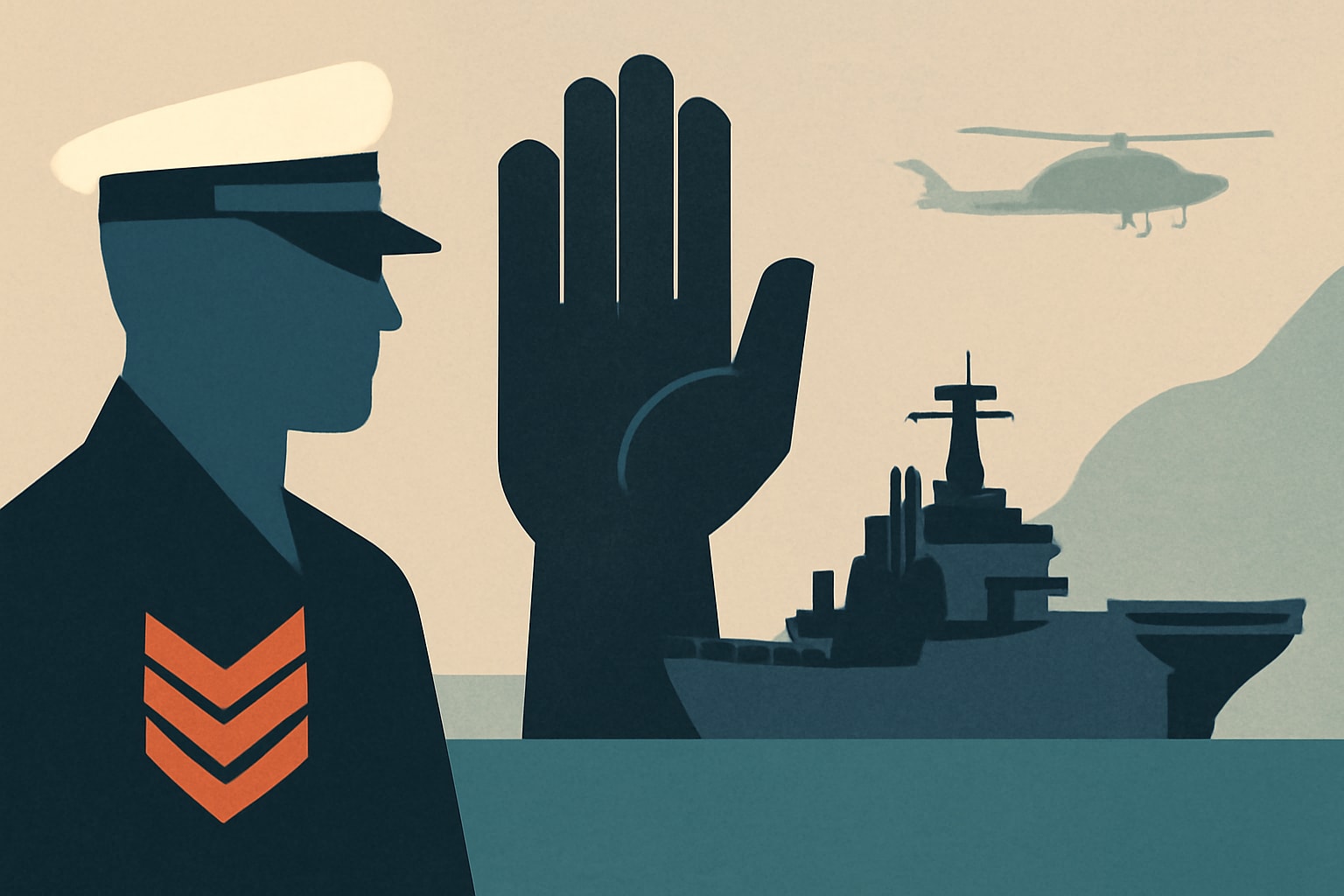
The Navy will designate surface warfare officers as the sole commanding officers on amphibious warships starting in fiscal 2028.
What's Happening
- •The Navy has announced a new policy regarding command on amphibious warships.
- •Starting in fiscal 2028, only surface warfare officers will command these vessels.
- •This decision aims to streamline command structures within the Navy.
Why It Matters
This policy change is significant for the Navy's command structure, as it emphasizes the importance of specialized training for commanding officers. By ensuring that only surface warfare officers lead amphibious warships, the Navy aims to enhance operational readiness and effectiveness, which is crucial for successful missions.
What Changes Now
- •Starting in fiscal 2028, only surface warfare officers will command amphibious warships. This change will require current commanders to transition to other roles or seek additional training.
- •Naval aviators will no longer be eligible for command of these vessels. This may lead to a reevaluation of career paths for aviators within the Navy.
- •The Navy will implement new training programs focused on surface warfare tactics. This is essential to ensure that incoming commanding officers are fully prepared for their responsibilities.
What to Watch
- •The rollout of training programs for surface warfare officers will be critical. These programs will be designed to equip officers with the necessary skills for commanding amphibious warships.
- •Monitoring personnel morale during this transition will be important. The Navy will need to assess how this policy impacts the career satisfaction of affected officers.
- •Future assessments of operational effectiveness during amphibious missions will provide insights into the success of this policy change.
Get the Daily Briefing
Military and veteran news that actually affects you, in your inbox each morning.
More Context
- •Overview of the New Command Policy: The Chief of Naval Operations (CNO) has confirmed that beginning in fiscal year 2028, only surface warfare officers will be eligible to command amphibious warships. This policy shift is part of a broader effort to enhance operational effectiveness and ensure that commanding officers possess the specific skills and training necessary for these complex vessels. The decision reflects a strategic move to consolidate command roles and improve the Navy's overall readiness.
- •Implications for Naval Personnel: This change will primarily affect naval aviators who have historically commanded amphibious warships. As the Navy transitions to this new policy, aviators may need to seek additional training or career paths within other naval operations. This could lead to a shift in career trajectories for many officers, as they adapt to the evolving requirements of naval command.
- •Impact on Amphibious Operations: By limiting command to surface warfare officers, the Navy aims to enhance the operational effectiveness of amphibious operations. Surface warfare officers are trained specifically for the unique challenges presented by these vessels, which often operate in complex environments. This change is expected to improve decision-making and mission success rates during amphibious missions.
- •Future Considerations: As the Navy implements this policy, it will be crucial to monitor its effects on personnel morale and operational efficiency. The transition may require adjustments in training programs to ensure that surface warfare officers are adequately prepared for their new responsibilities. Stakeholders will be watching closely to assess how this policy impacts the Navy's overall mission effectiveness.
Veteran Take
For those who've served on amphibious warships, this decision underscores the Navy's commitment to operational readiness. By focusing command on surface warfare officers, the Navy is recognizing the unique challenges these vessels face and the need for specialized training. Veterans navigating this change will likely appreciate the emphasis on expertise, as it could lead to more effective leadership and ultimately better outcomes in critical missions.
The Daily Briefing
Military & veteran news that actually affects you — delivered every morning.
- Pay, benefits & policy changes
- Pentagon decisions that matter
- VA updates for veterans & families
- One email. No spam. Unsubscribe anytime.
Related Stories
- U.S. Military Support to Nigeria Aims to Protect Christians— Military.com
- Pentagon Revokes Former Air Force Secretary Frank Kendall’s Access to Classified Information— Military.com
- Air Force Appoints New Enlisted Recruiting Commander to Expand Ranks— Air & Space Forces Magazine
- Pentagon Finalizes $3B Framework Agreement for Patriot and THAAD Components— DefenseScoop