NATO Jet Shoots Down Ukrainian Drone Over Estonia Amid Rising Tensions
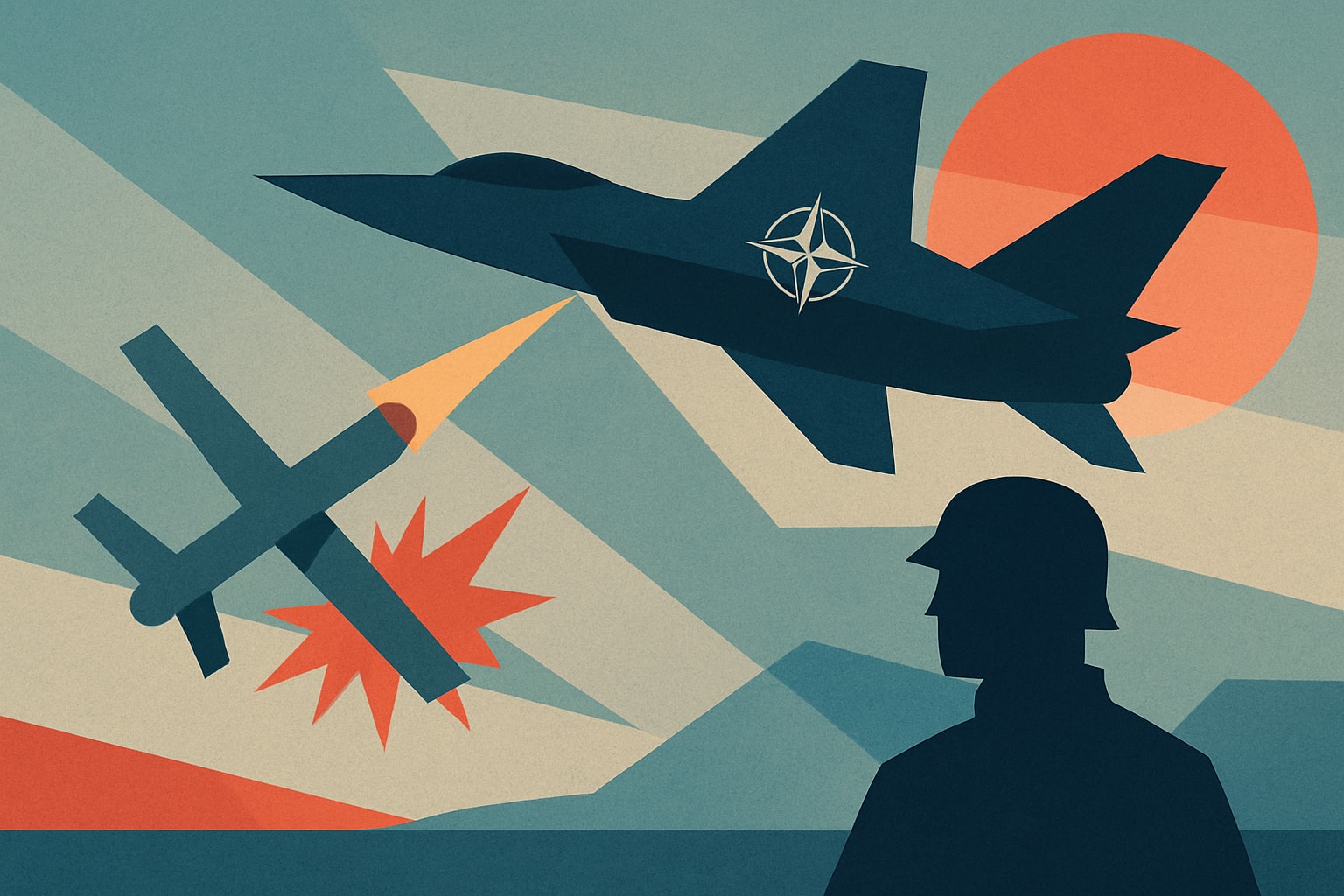
A Romanian F-16 fighter jet shot down a Ukrainian drone in Estonian airspace, marking a significant escalation in regional tensions.
What's Happening
- •A Romanian F-16 fighter jet shot down a Ukrainian drone over Estonia.
- •The incident occurred in Estonian airspace, highlighting ongoing tensions in the region.
- •This action is part of NATO's broader commitment to airspace security in Eastern Europe.
Why It Matters
This incident is significant for military personnel as it demonstrates the ongoing volatility in Eastern Europe and NATO's proactive stance in ensuring airspace security. Service members must remain vigilant and prepared for potential escalations in their operational environments, which could directly impact their missions and readiness.
What Changes Now
- •NATO may increase its military presence in Eastern Europe. This will involve more frequent patrols and exercises to ensure airspace security.
- •Service members in affected units may receive new directives regarding operational readiness. This could include additional training sessions and readiness evaluations to prepare for similar incidents.
- •There may be changes to the rules of engagement for air defense personnel. These changes will be communicated through official channels and will require immediate compliance.
What to Watch
- •Upcoming NATO meetings focused on airspace security policies. These discussions will shape future operational directives and readiness requirements.
- •Increased military exercises in Eastern Europe. These exercises will serve to enhance NATO's deterrence capabilities and may involve multiple member nations.
- •Communications from military leadership regarding operational changes. Staying informed will be crucial for service members to adapt to new mission parameters.
Get the Daily Briefing
Military and veteran news that actually affects you, in your inbox each morning.
More Context
- •Incident Overview: On May 19, 2026, a Romanian F-16 fighter jet stationed in Šiauliai, Lithuania, engaged and shot down a Ukrainian drone that had entered Estonian airspace. This incident is part of a series of airspace violations that have raised concerns among NATO allies regarding security and military readiness in Eastern Europe. The drone's incursion into NATO airspace has prompted discussions about the need for enhanced surveillance and response protocols to prevent similar occurrences in the future.
- •Implications for NATO and Regional Security: The downing of the drone underscores the escalating tensions between NATO and Ukraine as the conflict in the region continues to evolve. NATO's response reflects its commitment to protecting member states' airspace and deterring unauthorized incursions. This incident may lead to increased military presence and readiness in Eastern Europe, as NATO evaluates its strategic posture in light of ongoing threats. For military personnel stationed in the region, this could mean heightened operational tempo and readiness drills.
- •Impact on Service Members: Active duty and Reserve Component service members, particularly those in air defense roles, may face increased scrutiny and operational demands following this incident. Units may be tasked with additional training and readiness evaluations to prepare for potential future airspace violations. Service members should stay informed about changes in mission parameters and be prepared for rapid response requirements. Additionally, communication from leadership regarding these developments will be crucial for maintaining morale and operational effectiveness.
- •What to Monitor Going Forward: Military personnel should keep an eye on NATO's upcoming meetings regarding airspace security policies. These meetings will likely address the implications of recent incidents and may result in new directives for operations in Eastern Europe. Additionally, watch for announcements regarding increased military exercises in the region, as these will serve to bolster NATO's deterrence capabilities. Finally, service members should monitor communications from their commands for updates on operational readiness and any changes to deployment schedules.
Frequently Asked Questions
Does this affect Guard members on Title 10 orders?
Yes, Guard members on Title 10 orders may be involved in increased readiness operations following this incident.
Will my deployment schedule change due to this incident?
Deployment schedules may be adjusted based on NATO's response to the situation, so it's important to stay updated from your command.
Veteran Take
For those who've served, this incident underscores the unpredictable nature of military engagements and the importance of readiness in a rapidly changing geopolitical landscape. Veterans navigating this will recognize the implications of such actions on international relations and the potential for escalation, reminding us that our training and vigilance are always crucial. Anyone who's dealt with the complexities of military operations knows that every action can have far-reaching consequences, and this serves as a stark reminder of the stakes involved.
The Daily Briefing
Military & veteran news that actually affects you — delivered every morning.
- Pay, benefits & policy changes
- Pentagon decisions that matter
- VA updates for veterans & families
- One email. No spam. Unsubscribe anytime.
Related Stories
- Air Force Successfully Tests New Sentinel ICBM Reentry Vehicle— Air & Space Forces Magazine
- B-2 Stealth Bomber Returns to Whiteman AFB After Depot Maintenance— Air & Space Forces Magazine
- Patriot Interceptor Deliveries to Poland Delayed, General Confirms— Military Times
- Air Force Considers Adding Missile Warning System to F-15EX Fighter— Air & Space Forces Magazine