Military AI Dominance: Transforming Warfighting Tactics
The military is embracing AI technologies to create a more agile and effective warfighting force.
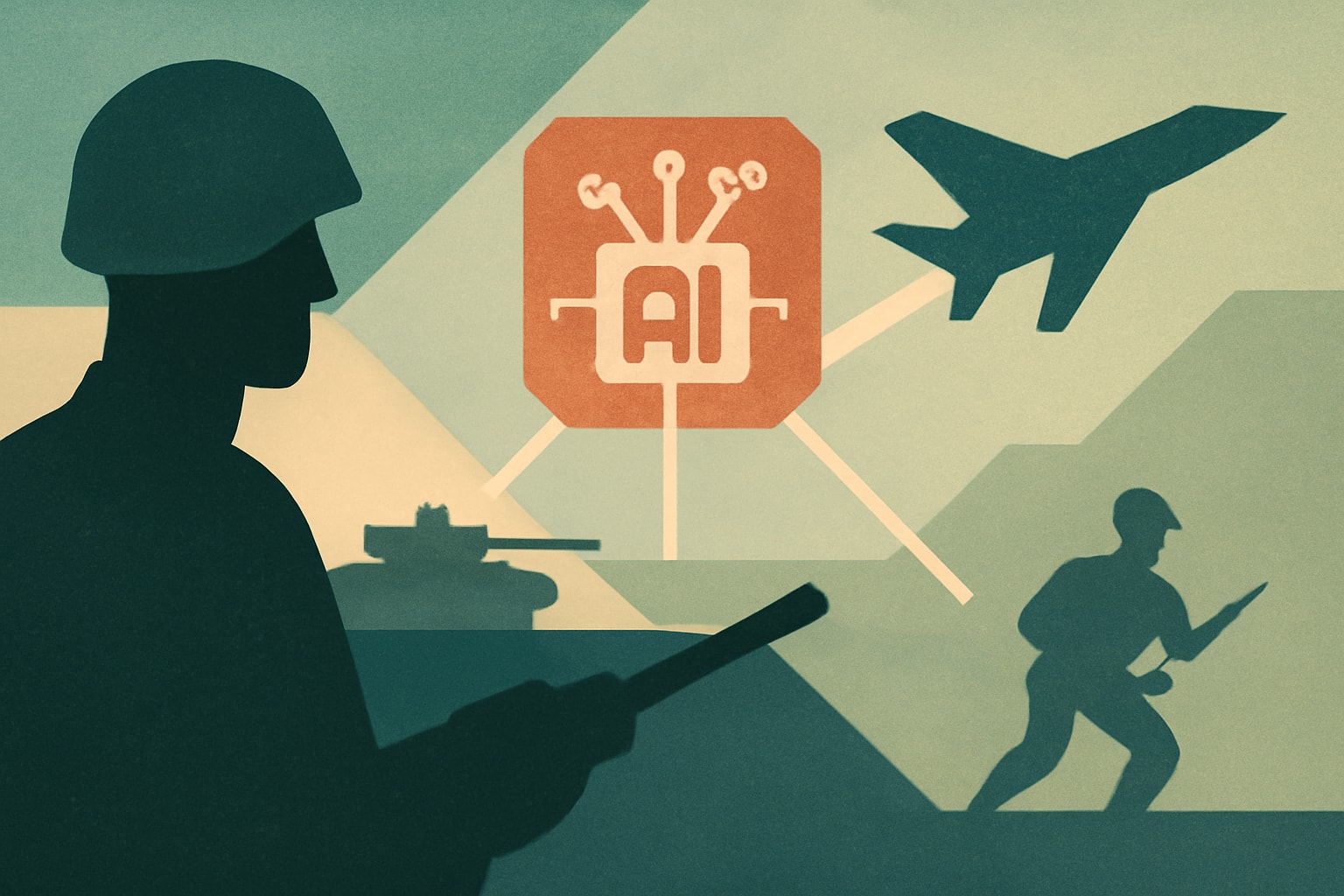
What's Happening
- •The military is committing to tactical AI and governed data to enhance warfighting capabilities.
- •This shift aims to create a more agile and responsive military force.
- •The focus is on leveraging AI at the edge of operations for real-time decision-making.
Why It Matters
The military's commitment to AI technologies represents a transformative shift in how operations are conducted, potentially redefining roles and responsibilities for service members. Understanding these changes is crucial for military personnel and veterans as they adapt to a rapidly evolving landscape of warfare.
What Changes Now
- •The military is implementing AI technologies in operational strategies. This change will require service members to undergo new training programs to effectively utilize these systems.
- •Roles related to intelligence and operations will see an increased emphasis on AI proficiency. This will open new pathways for career advancement and specialization within the military.
- •Ethical training regarding AI decision-making will become a part of military education. This is essential to ensure that service members are prepared to navigate the complexities of AI in combat scenarios.
What to Watch
- •The upcoming defense budget discussions will likely prioritize AI funding. This will indicate the military's commitment to advancing its AI capabilities and infrastructure.
- •New training programs focused on AI integration are expected to roll out in the next fiscal year. These programs will be critical for preparing service members for the future of warfare.
- •The establishment of ethical guidelines for AI use in military operations will be a significant development. These guidelines will shape how AI is implemented in combat scenarios and affect decision-making processes.
Get the Daily Briefing
Military and veteran news that actually affects you, in your inbox each morning.
More Context
- •The Shift to AI in Military Operations: The military's transition towards artificial intelligence marks a significant change in how operations are conducted. By integrating AI technologies, the armed forces aim to enhance decision-making speed and accuracy on the battlefield. This shift is not merely about adopting new tools; it represents a fundamental change in military strategy and philosophy. Service members, particularly those in roles related to intelligence and operations, will need to adapt to these new technologies as they become integral to mission success.
- •Implications for Service Members: Active duty personnel, especially those in combat arms and intelligence roles, will experience the most immediate effects of this transition. As AI systems are implemented, training will evolve to include proficiency in these technologies. This change could lead to new job requirements and opportunities for advancement within the military. Understanding AI's capabilities will be essential for service members to remain competitive and effective in their roles.
- •Challenges and Considerations: While the integration of AI presents numerous advantages, it also introduces challenges that must be addressed. Ethical considerations regarding decision-making in combat scenarios will be paramount. Additionally, there will be a need for robust cybersecurity measures to protect sensitive data and AI systems from adversaries. The military must ensure that service members are adequately trained to handle these complexities, balancing innovation with operational security.
- •Future Developments to Monitor: As the military continues to develop its AI capabilities, several key developments will be crucial to watch. Upcoming defense budgets will likely reflect increased funding for AI research and implementation. Additionally, the establishment of new training programs focused on AI technologies will be essential for preparing service members. Monitoring these changes will provide insight into how quickly the military can adapt to this new paradigm.
Frequently Asked Questions
How will AI impact my job as a combat arms soldier?
AI will enhance operational capabilities, requiring combat arms soldiers to adapt to new technologies and training methods to maintain effectiveness.
Will there be new training programs for AI technologies?
Yes, the military plans to introduce training programs specifically focused on AI, ensuring that service members are equipped to utilize these advancements.
What ethical considerations are involved with AI in combat?
Ethical considerations will focus on decision-making processes in combat scenarios, ensuring that AI use aligns with military values and legal standards.
The Daily Briefing
Military & veteran news that actually affects you — delivered every morning.
- Pay, benefits & policy changes
- Pentagon decisions that matter
- VA updates for veterans & families
- One email. No spam. Unsubscribe anytime.
Related Stories
- Army Activates Its Fourth Multi-Domain Task Force at Fort Carson— Task & Purpose
- Lockheed Martin Unveils PAC-3 Edge Interceptor to Counter Hypersonic Threats— Military Times
- Air Force Certifies Operators for Skydio X10D Drone Surveillance— Military Times
- US Army Tests Counter-Drone Technology at Mexican Border— Army Times