Navy Team to Greet Artemis II Astronauts After Pacific Splashdown
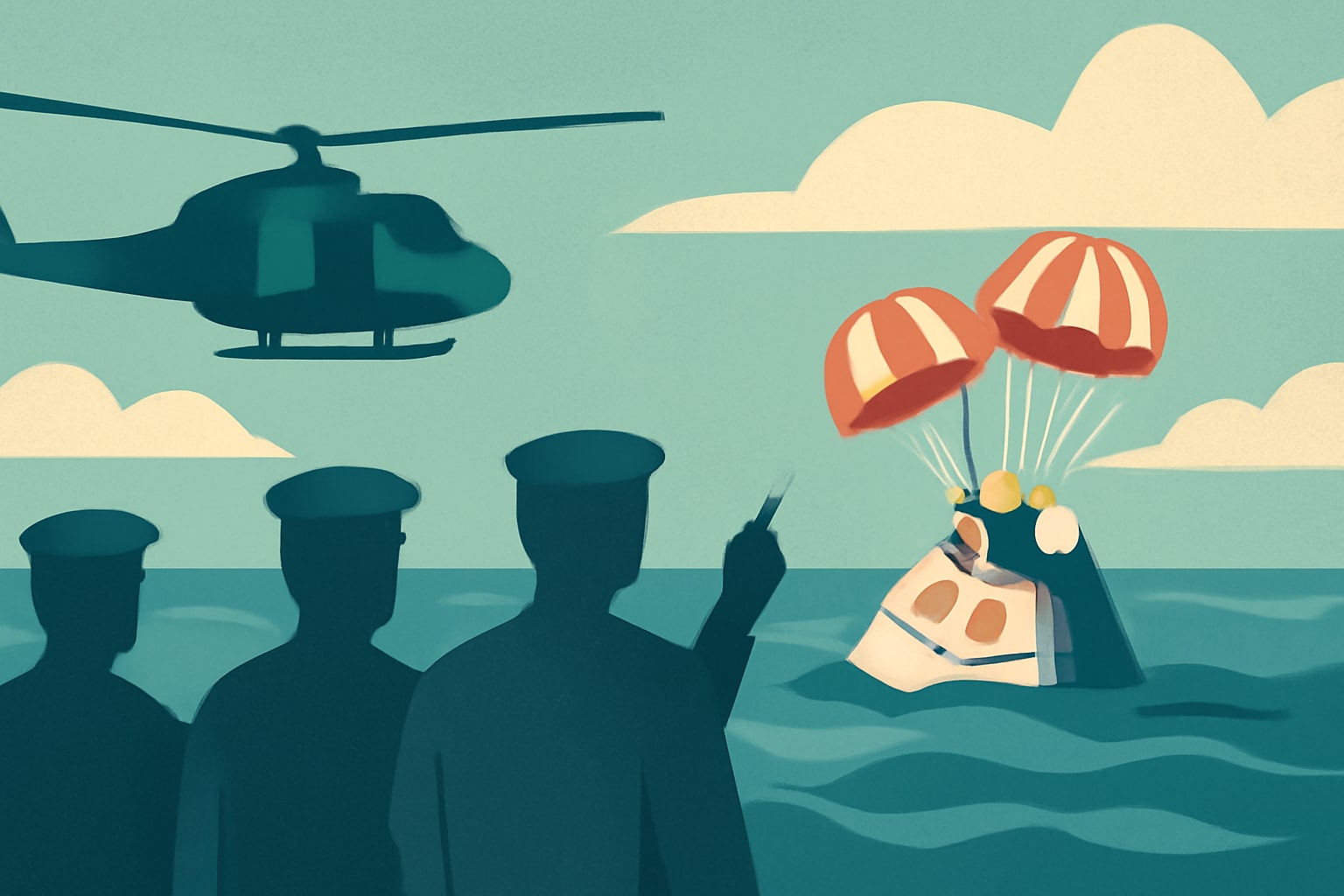
A specialized Navy team will be the first to welcome the Artemis II astronauts after their Pacific Ocean landing in 2026.
What's Happening
- •A team of four U.S. Navy sailors will greet the Artemis II astronauts after their Pacific splashdown.
- •The splashdown is scheduled for Friday night in April 2026.
- •The Navy's role includes ensuring the safe recovery of the astronauts post-mission.
Why It Matters
The Navy's participation in the Artemis II mission illustrates the military's essential role in advancing scientific exploration and national security. This collaboration not only enhances the recovery process for astronauts but also showcases the skills and dedication of service members in supporting groundbreaking missions.
What Changes Now
- •Increased awareness of the Navy's role in space exploration is now evident as they prepare for the Artemis II mission. This recognition highlights the importance of military contributions to scientific endeavors.
- •The Navy team will continue their training and preparation leading up to the mission's splashdown. This ongoing readiness ensures that they are equipped to handle the complexities of astronaut recovery.
- •The collaboration between NASA and the Navy is set to strengthen as the Artemis program progresses. This partnership will be crucial for future missions and the overall success of lunar exploration.
What to Watch
- •Monitor the timeline for the Artemis II mission as it approaches its scheduled launch. This will provide insights into the readiness of all teams involved, including the Navy.
- •Keep an eye on updates regarding the Navy team's training and preparation for the recovery operation. Their readiness is vital for the safe return of the astronauts.
- •Watch for the outcomes of the Artemis II mission and its implications for future lunar missions. The success of this mission will influence the trajectory of NASA's Artemis program.
Get the Daily Briefing
Military and veteran news that actually affects you, in your inbox each morning.
More Context
- •Navy's Role in the Artemis II Mission: The selected Navy team will be the first faces the Artemis II astronauts see upon their return to Earth. Their primary responsibility will be to assist the astronauts during recovery operations after the spacecraft lands in the Pacific Ocean. This mission represents a significant collaboration between NASA and the Navy, emphasizing the military's critical role in supporting space exploration. As part of the Artemis program, which aims to return humans to the moon, the Navy's involvement is a testament to its longstanding commitment to national security and scientific advancement.
- •Training and Preparation for Recovery: The sailors chosen for this mission have undergone extensive training tailored to the unique challenges of recovering astronauts from the ocean. This training includes techniques for safely approaching the spacecraft, assisting the crew with egress, and conducting initial medical assessments. The preparation underscores the importance of their role in ensuring a smooth transition for the astronauts back to Earth. The Navy's experience in maritime operations and recovery procedures is crucial for the success of this mission.
- •Historical Context and Future Implications: The Navy has a rich history of supporting space missions, dating back to the early Mercury program, where Navy divers were responsible for recovering astronauts. This tradition continues with the Artemis program, reinforcing the Navy's commitment to ensuring the safe return of astronauts. The success of the Artemis II mission will not only showcase the Navy's capabilities but also contribute to the broader goals of establishing a sustainable human presence on the moon and eventually sending humans to Mars. The data and experience gained from this mission will be vital for future lunar explorations.
Veteran Take
For those who've served, seeing the Navy play a pivotal role in such a historic mission reminds us of the unique intersection between military service and scientific advancement. Veterans navigating this will likely feel a sense of pride knowing that our skills and training are being utilized in groundbreaking ways, contributing to the nation's goals beyond traditional defense. It's a testament to the versatility and commitment of service members, reflecting our ongoing dedication to supporting missions that inspire future generations.
The Daily Briefing
Military & veteran news that actually affects you — delivered every morning.
- Pay, benefits & policy changes
- Pentagon decisions that matter
- VA updates for veterans & families
- One email. No spam. Unsubscribe anytime.
Related Stories
- Agencies Must Integrate Smart Identity Cards for Post-Quantum Cryptography— Federal News Network
- National Guard Responds to Troops Near DC Ballot Drop Box Incident— Task & Purpose
- Air Force Explosive Ordnance Technicians to Sport New Rust-Colored Beret— Military Times
- Former US Marine Charged in Connection to Haiti President’s Assassination— Military.com