Congressman Massie Challenges Presidential War Powers in New Vote
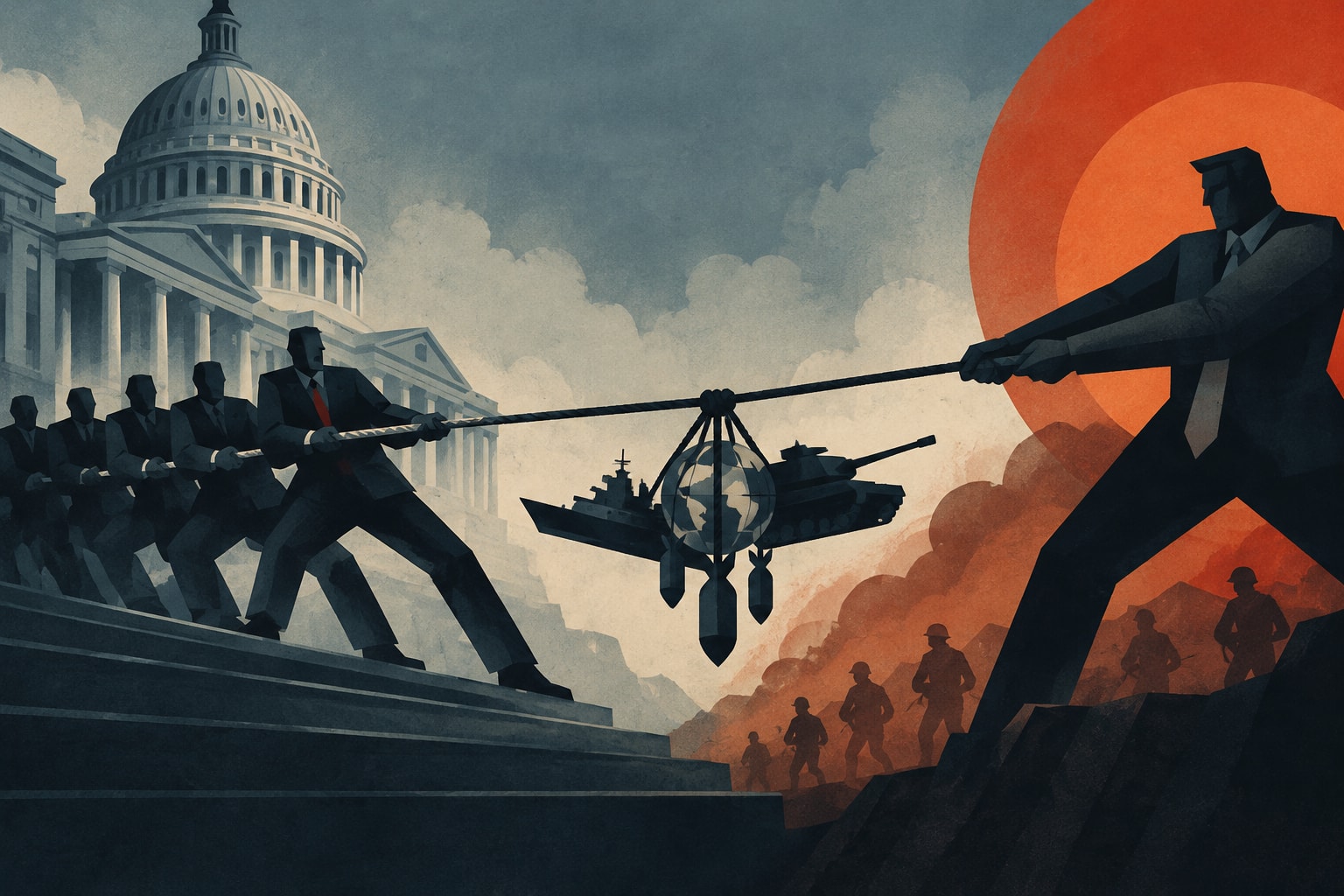
Rep. Thomas Massie aims to test Congressional limits on presidential war powers amid ongoing conflicts.
What's Happening
- •Rep. Thomas Massie is introducing a vote to limit presidential war powers.
- •This move follows a series of legal battles over Congress's authority in military engagements.
- •The vote is part of a broader discussion on the role of Congress in military decisions.
Why It Matters
This legislative action is crucial for understanding the limits of presidential power in military engagements, which directly affects how service members are deployed and engaged in conflict. For veterans and active-duty personnel, the implications of this vote could reshape military policy and operational readiness, making it essential to stay informed.
What Changes Now
- •Congress may impose new limits on presidential military authority. This could lead to a requirement for more legislative approval before military actions are initiated.
- •Service members might experience changes in deployment protocols. If Congress asserts more control, this could slow down the decision-making process for military engagements.
- •Veterans may see shifts in support services based on military engagement levels. Changes in how wars are authorized could affect funding and resources for veteran programs.
What to Watch
- •The upcoming Congressional vote on war powers. This will determine how much authority the president retains in military actions and could reshape military policy.
- •Statements from military leadership regarding potential operational changes. Their insights will be vital in understanding the practical impacts on service members.
- •Reactions from advocacy groups representing veterans and active-duty personnel. Their responses will help gauge the broader implications of this legislative action.
Get the Daily Briefing
Military and veteran news that actually affects you, in your inbox each morning.
More Context
- •Understanding the Legislative Context: Rep. Thomas Massie's initiative comes at a time when the balance of power between Congress and the presidency regarding military action is under scrutiny. Historically, the War Powers Resolution has been a contentious issue, with many lawmakers arguing that it is essential for Congress to assert its authority over military engagements. Massie's push seeks to clarify this authority and potentially reshape how military decisions are made at the highest levels.
- •Implications for Active-Duty Service Members: Active-duty service members, particularly those in combat roles such as 11B Infantrymen or 68W Army medics, may feel the direct impact of this vote. If Congress successfully limits presidential war powers, it could lead to changes in deployment protocols and military engagement strategies. This could mean that decisions affecting troops in the field may require more legislative oversight, potentially altering the speed and nature of military responses.
- •What This Means for Veterans and Military Families: Veterans and military families might see long-term implications from this legislative action. A shift in how military operations are authorized could influence veteran benefits and support services, especially if military conflicts become less frequent or are approached with more caution. Families of service members should stay informed about changes in military policy that could affect their loved ones' deployments and overall military readiness.
- •Next Steps and Monitoring Developments: As the vote approaches, service members and their families should keep an eye on the legislative calendar for updates. The outcome of this vote could lead to significant changes in military operations, so it is crucial to stay informed through reliable news sources and official military communications. Additionally, advocacy groups may provide insights and updates on how these changes could affect military personnel.
Frequently Asked Questions
Does this affect Guard members on Title 10 orders?
Yes, changes in war powers could impact how National Guard members are activated and deployed under Title 10 authority.
Will my BAH change if I move duty stations mid-year?
Your Basic Allowance for Housing (BAH) may be affected by a change in duty station, especially if you move to an area with a different BAH rate.
The Daily Briefing
Military & veteran news that actually affects you — delivered every morning.
- Pay, benefits & policy changes
- Pentagon decisions that matter
- VA updates for veterans & families
- One email. No spam. Unsubscribe anytime.
Related Stories
- Ukraine Confirms Sinking of Russian Corvette in Libyan Port— Military Times
- JoAnna Mendoza: First Female Marine Elected to Congress Discusses Military Service— Military.com
- Entire Command Team of USS South Dakota Relieved Following Grounding Incident— Task & Purpose
- New $6.8 Million Pentagon-Backed Study Aims to Protect Service Members' Brains— Military.com