Marine Corps Fields 3,500 First-Person View Attack Drones
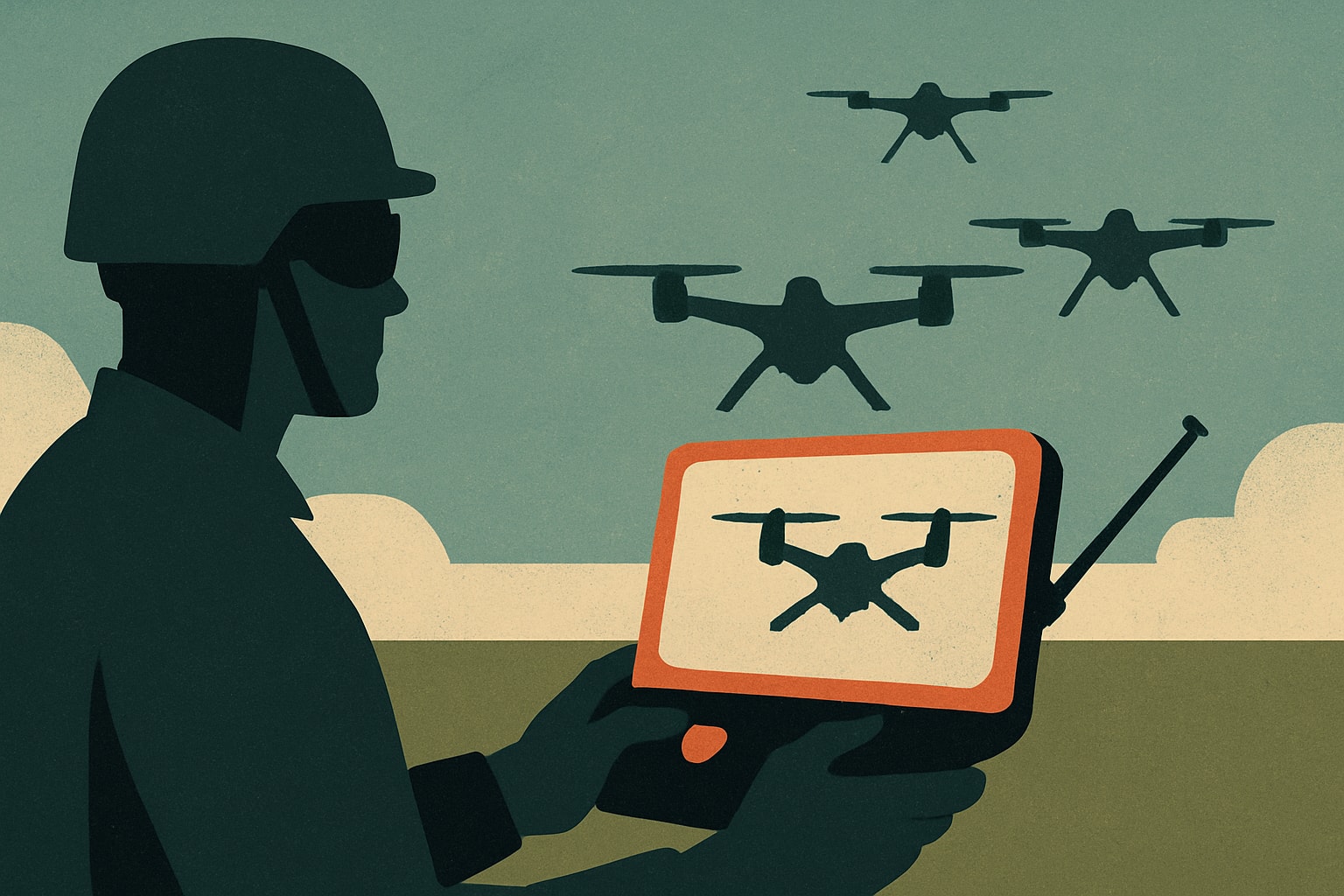
The Marine Corps has deployed 3,500 first-person view attack drones, a significant advancement in military technology.
What's Happening
- •The U.S. Marine Corps has introduced 3,500 first-person view attack drones into service.
- •This marks a significant increase from having no such drones as of October 2025.
- •The drones are expected to enhance situational awareness and operational effectiveness.
Why It Matters
The introduction of first-person view drones represents a significant technological advancement for the Marine Corps, enhancing their ability to conduct operations effectively. This capability is particularly relevant for active-duty service members and veterans who understand the importance of situational awareness in combat scenarios.
What Changes Now
- •The Marine Corps now has a fleet of 3,500 first-person view attack drones in service. This change will allow Marines to gather real-time intelligence and improve mission outcomes.
- •Marines will undergo training to operate these drones effectively. This training is essential for maximizing the operational benefits of the new technology.
- •Operational protocols will be updated to incorporate the use of FPV drones. This ensures that all personnel are aware of how to integrate drones into their missions.
What to Watch
- •The upcoming training programs for Marines on FPV drone operation will begin shortly. This training will be crucial for ensuring effective use of the new technology.
- •Future enhancements to drone capabilities may include AI integration. This could further improve the effectiveness of FPV drones in combat situations.
- •The Marine Corps may release reports on the operational effectiveness of these drones over the next year. These reports will provide insights into how the drones are impacting mission success.
Get the Daily Briefing
Military and veteran news that actually affects you, in your inbox each morning.
More Context
- •Introduction to First-Person View Drones: The U.S. Marine Corps has made a notable leap in military technology by fielding 3,500 first-person view (FPV) attack drones. This deployment is a significant milestone, especially considering that the Marine Corps had no FPV drones in operation as of October 2025. These drones are designed to provide real-time video feeds to operators, enhancing their situational awareness during missions. The integration of such technology is expected to improve decision-making and operational effectiveness in various combat scenarios.
- •Operational Impact and Advantages: The introduction of FPV drones is set to transform how the Marine Corps conducts operations. With the ability to provide a bird's-eye view of the battlefield, these drones allow Marines to assess threats and coordinate responses more effectively. The drones can be used for reconnaissance, target acquisition, and even direct attacks, making them a versatile tool in modern warfare. This capability is particularly crucial in environments where traditional surveillance methods may be limited or risky.
- •Training and Implementation: As the Marine Corps integrates these drones into its operations, training will be a critical component. Marines will need to learn not only how to operate the drones but also how to interpret the data they collect. This training will likely involve simulations and field exercises to ensure that operators can effectively utilize the drones in real-world scenarios. The successful implementation of this technology will depend on the Marines' ability to adapt to new operational paradigms.
- •Future Developments and Considerations: Looking ahead, the Marine Corps may continue to expand its drone capabilities. The integration of artificial intelligence and advanced sensors could further enhance the effectiveness of FPV drones. Additionally, as military technology evolves, there will be ongoing discussions about the ethical implications of drone warfare and the need for robust operational guidelines. The Marine Corps will need to balance technological advancements with the principles of warfare and the protection of civilian lives.
Veteran Take
For those who've served, the introduction of first-person view attack drones is a game changer in how we approach combat. These advancements not only enhance situational awareness but also reflect a shift in tactics that can keep our troops safer while increasing effectiveness on the battlefield. Veterans navigating this new technology will likely appreciate the potential it has to change the dynamics of warfare and improve outcomes for those still in service.
The Daily Briefing
Military & veteran news that actually affects you — delivered every morning.
- Pay, benefits & policy changes
- Pentagon decisions that matter
- VA updates for veterans & families
- One email. No spam. Unsubscribe anytime.
Related Stories
- Air Force Successfully Tests New Sentinel ICBM Reentry Vehicle— Air & Space Forces Magazine
- B-2 Stealth Bomber Returns to Whiteman AFB After Depot Maintenance— Air & Space Forces Magazine
- Ukraine Deploys FP-7 Tactical Ballistic Missile in Combat for First Time— Military Times
- USS Frank E. Petersen Jr. Returns After 10-Month Deployment— Task & Purpose