NORTHCOM Commander Raises Concerns Over Counter-Drone Technology for Border Troops
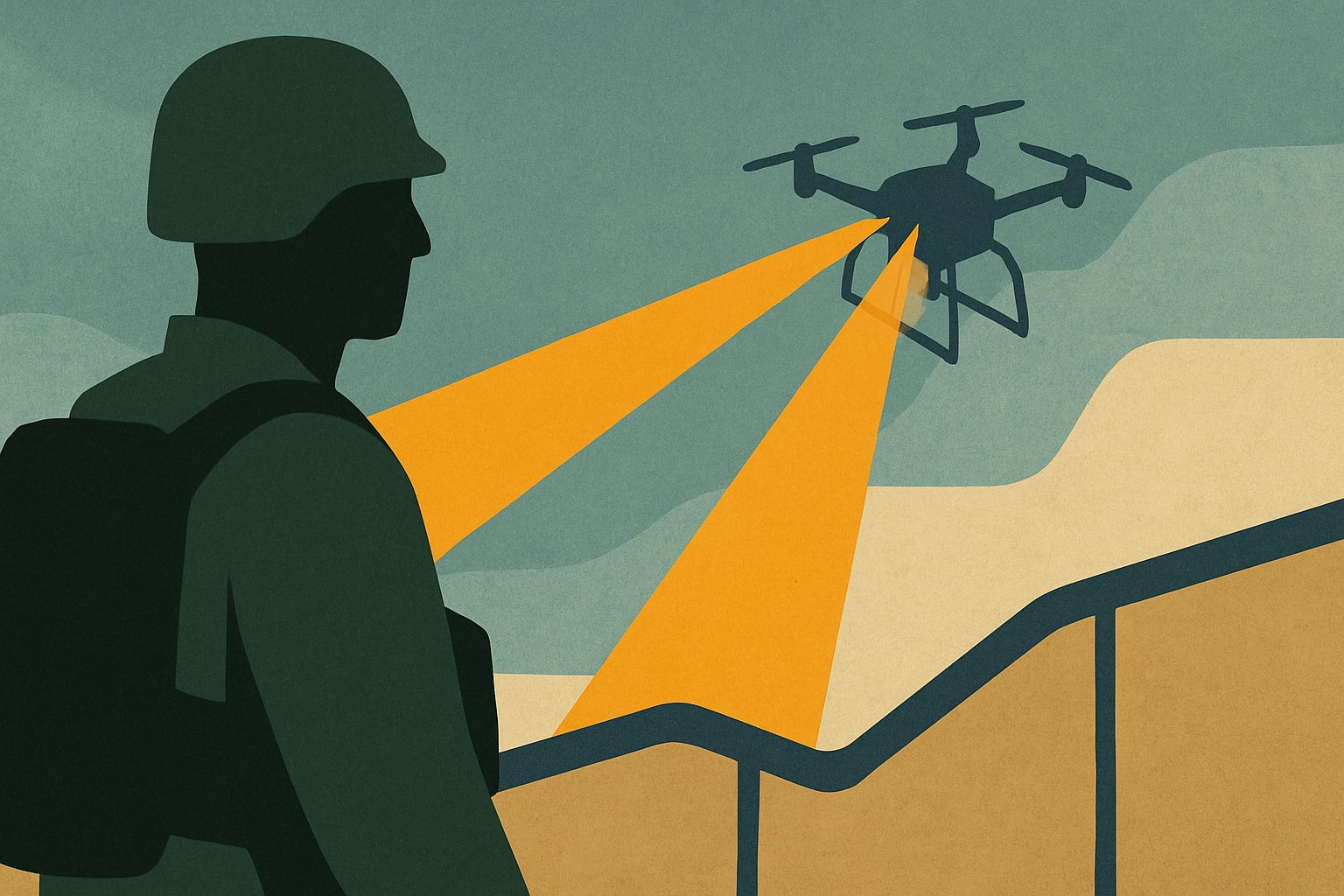
General Guillot expresses worries about the lack of counter-drone systems to protect soldiers patrolling the southern border.
What's Happening
- •General Gregory Guillot, NORTHCOM commander, has raised concerns about counter-drone technology for troops at the southern border.
- •While there are fixed and movable counter-UAS capabilities, none can effectively follow patrolling soldiers.
- •This gap in technology poses a risk to the safety of service members deployed in this area.
Why It Matters
The safety of service members patrolling the southern border is paramount, especially in an era where drone technology is increasingly used for surveillance and potential attacks. Without effective counter-drone systems, troops may face heightened risks, impacting their operational effectiveness and overall mission success.
What Changes Now
- •The U.S. military will likely reassess its counter-drone technology in light of General Guillot's concerns. This reassessment may lead to increased funding for research and development of mobile counter-UAS systems.
- •Troops currently patrolling the southern border may need to adapt their tactics to mitigate risks associated with drone surveillance. This could involve increased situational awareness and coordination with air support units.
- •Commanders may be prompted to request additional resources or support from higher command to address the technology gap. This could include temporary deployments of specialized units equipped with counter-drone capabilities.
What to Watch
- •Upcoming defense budget discussions will likely address funding for counter-drone technology. These discussions will be crucial for determining the future capabilities available to troops.
- •The development of new counter-drone systems by defense contractors is expected in the coming months. Monitoring these advancements will provide insights into potential solutions for troop protection.
- •Policy changes regarding the deployment of troops to the southern border may arise as technology gaps are assessed. Changes could impact the number of personnel deployed and the resources allocated for their safety.
Get the Daily Briefing
Military and veteran news that actually affects you, in your inbox each morning.
More Context
- •Current Counter-Drone Capabilities: The current landscape of counter-drone technology includes various fixed and movable systems designed to detect and neutralize unmanned aerial systems (UAS). However, these systems are primarily stationary or limited in their mobility, which restricts their effectiveness in dynamic environments such as the southern border. General Guillot's comments highlight a critical gap: the inability of existing technologies to provide real-time protection for troops on patrol. This limitation raises questions about the safety of service members who may be exposed to drone surveillance or attacks while performing their duties.
- •Implications for Troops on the Ground: For active-duty soldiers, particularly those in combat arms MOSs like 11B (Infantry) or 19D (Cavalry Scout), the lack of adequate counter-drone measures can lead to increased vulnerability. These soldiers are often tasked with patrolling remote areas where they may encounter hostile drone activity. The absence of protective technology not only affects their safety but also impacts mission effectiveness. Commanders must consider these risks when deploying troops, potentially requiring changes in tactics or increased support from other units equipped with better counter-drone capabilities.
- •Future Developments and Considerations: As the military evaluates its counter-drone strategies, it is crucial to monitor developments in technology that could address these concerns. Upcoming defense budget discussions and technology assessments will likely focus on enhancing counter-UAS capabilities. Stakeholders should keep an eye on proposals for new systems that could be integrated into patrol operations. Furthermore, collaboration with defense contractors specializing in drone technology may yield innovative solutions to protect service members in high-risk areas.
Frequently Asked Questions
Does this affect Guard members on Title 10 orders?
Yes, Guard members on Title 10 orders may also be exposed to the same risks as active-duty troops, as they operate in similar environments.
What should I do if I feel unsafe during my patrol?
If you feel unsafe, report your concerns to your chain of command immediately, as they can assess the situation and provide additional support.
Veteran Take
For those who've served on the front lines, the safety of our fellow service members is always a top concern. The challenges posed by evolving technology, like drones, highlight the need for adequate resources and support to ensure our troops can carry out their missions effectively and safely. Veterans navigating this landscape understand that without proper tools, the risks to our soldiers can become unacceptably high.
The Daily Briefing
Military & veteran news that actually affects you — delivered every morning.
- Pay, benefits & policy changes
- Pentagon decisions that matter
- VA updates for veterans & families
- One email. No spam. Unsubscribe anytime.
Related Stories
- Air Force Authorizes New Berets for Explosive Ordnance Disposal Techs— Task & Purpose
- Pentagon Video of Mysterious Spheres Moving at 480 MPH Raises Security Questions— Military.com
- U.S. Establishes New Autonomous Warfare Command to Enhance Drone Operations— DefenseScoop
- US Navy Awards Contracts for 30 Medium Unmanned Surface Vessels— Military Times