Iran Conflict Shifts US Military Focus from Asia Amid China Tensions
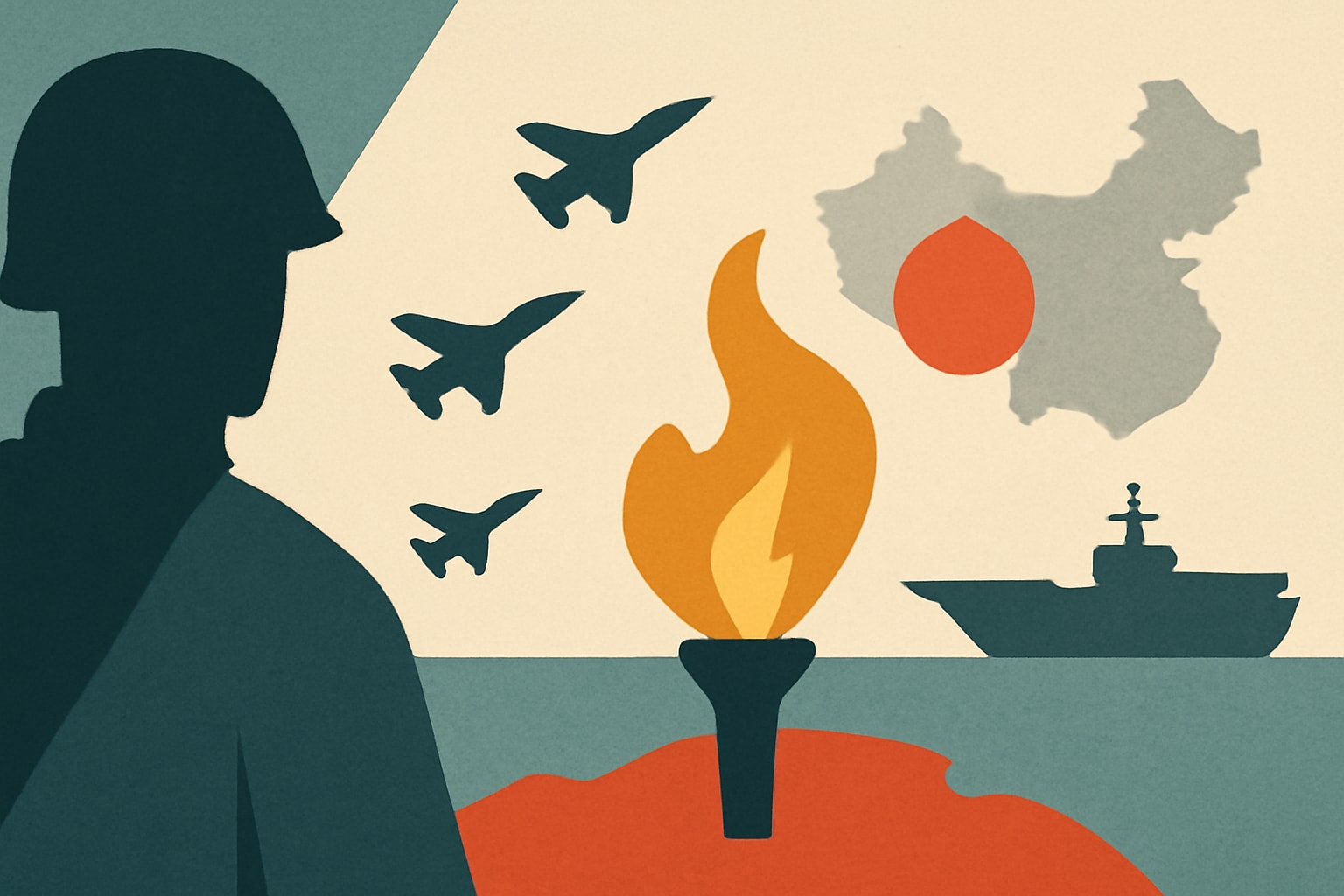
Escalating tensions with Iran are forcing a reassessment of US military priorities, drawing resources away from the Indo-Pacific region as a summit with China approaches.
What's Happening
- •The US is reallocating military resources from the Indo-Pacific to the Middle East due to the Iran conflict.
- •President Trump is preparing for a summit with China's leader amid these strategic shifts.
- •The US national security strategy had focused on military deterrence in Asia before the outbreak of war with Iran.
Why It Matters
The shift in focus from Asia to the Middle East directly impacts service members stationed in the Indo-Pacific, potentially altering deployment schedules and operational priorities. Military families in the region may experience increased uncertainty as the US reassesses its strategic commitments.
What Changes Now
- •Military deployments and exercises in the Indo-Pacific may be adjusted. This change could affect the readiness and operational capabilities of forces stationed in the region.
- •US allies in Asia will scrutinize American commitment to regional security. This increased scrutiny may lead to diplomatic efforts to reassure allies of continued support.
- •Resource allocation will shift towards the Middle East, impacting naval and air power in the Indo-Pacific. This could result in a reduced presence of US forces in key strategic areas.
What to Watch
- •The outcomes of the summit between President Trump and the Chinese leader. This meeting will address critical issues that could shape US-China relations moving forward.
- •US defense budget allocations in response to the Iranian conflict. Decisions made in the upcoming budget cycle will impact military modernization efforts in the Indo-Pacific.
- •Potential responses from China regarding US military resource shifts. China's actions in the South China Sea and towards Taiwan will be closely monitored for signs of increased aggression.
Get the Daily Briefing
Military and veteran news that actually affects you, in your inbox each morning.
More Context
- •Shift in US Military Strategy: The outbreak of war with Iran in April 2026 has significantly altered the United States' strategic posture, pulling military assets and attention away from the Indo-Pacific region. As President Trump prepares for a critical summit with China's leader, this shift raises concerns about US deterrence capabilities in the face of growing Chinese assertiveness. Previously, the US national security strategy, unveiled in late 2025, had focused on military deterrence in the Taiwan Strait and the First Island Chain, aimed at countering China's expanding influence. However, the sudden escalation with Iran necessitates a reallocation of resources, including naval assets and air power, to the Middle East.
- •Concerns Among US Allies: The diversion of military resources to the Iranian theater has raised significant concerns among US allies in Asia. Countries like Japan, South Korea, and Australia rely on American military presence to deter Chinese aggression and are closely monitoring the situation. The absence of key US assets in the region could embolden China to take more assertive actions in the South China Sea or increase pressure on Taiwan, potentially destabilizing the region further.
- •Implications for the Upcoming Summit: The upcoming summit between President Trump and the Chinese leader has taken on added significance in light of these developments. The US must balance its focus on the Iranian conflict with the need to address critical issues with China, including trade imbalances and human rights concerns. This summit will be a crucial test of the US's ability to manage multiple foreign policy challenges simultaneously, particularly as it relates to maintaining stability in Asia.
- •Potential Budget Strains: The conflict with Iran could strain the US defense budget, leading to potential cuts in military modernization programs in the Indo-Pacific. This financial pressure may erode the US's competitive edge against China, which has been rapidly modernizing its military capabilities. The long-term implications of the Iranian conflict on the US's strategic position in Asia remain uncertain, but careful management and clear articulation of US priorities will be essential.
- •Reassuring Allies in the Pacific: The US must reassure its allies in the Pacific that its commitment to their security remains strong, even amidst the conflict in the Middle East. Clear communication, continued military presence, and coordinated diplomatic efforts will be essential to maintaining stability in the region and deterring potential aggression. The next few months will be critical in determining the long-term impact of the Iranian conflict on the US's strategic posture in Asia.
Veteran Take
For those who've served, this shift in military priorities is a reminder of how quickly the landscape can change. Veterans understand the complexities of balancing commitments across different regions, and we know that each reassessment can bring uncertainty, not just for service members but for their families as well. Navigating these changes requires resilience, and it’s crucial for the military community to stay informed and adaptable as strategies evolve.
The Daily Briefing
Military & veteran news that actually affects you — delivered every morning.
- Pay, benefits & policy changes
- Pentagon decisions that matter
- VA updates for veterans & families
- One email. No spam. Unsubscribe anytime.
Related Stories
- Agencies Must Integrate Smart Identity Cards for Post-Quantum Cryptography— Federal News Network
- National Guard Responds to Troops Near DC Ballot Drop Box Incident— Task & Purpose
- Sig Sauer Develops 25-Round Magazine for Army’s Next-Gen Rifle— Military Times
- A German U-Boat Intruded into Newport Harbor During WWI— Navy Times