Iran to Receive Chinese Shoulder-Launched Missile Systems in Weeks
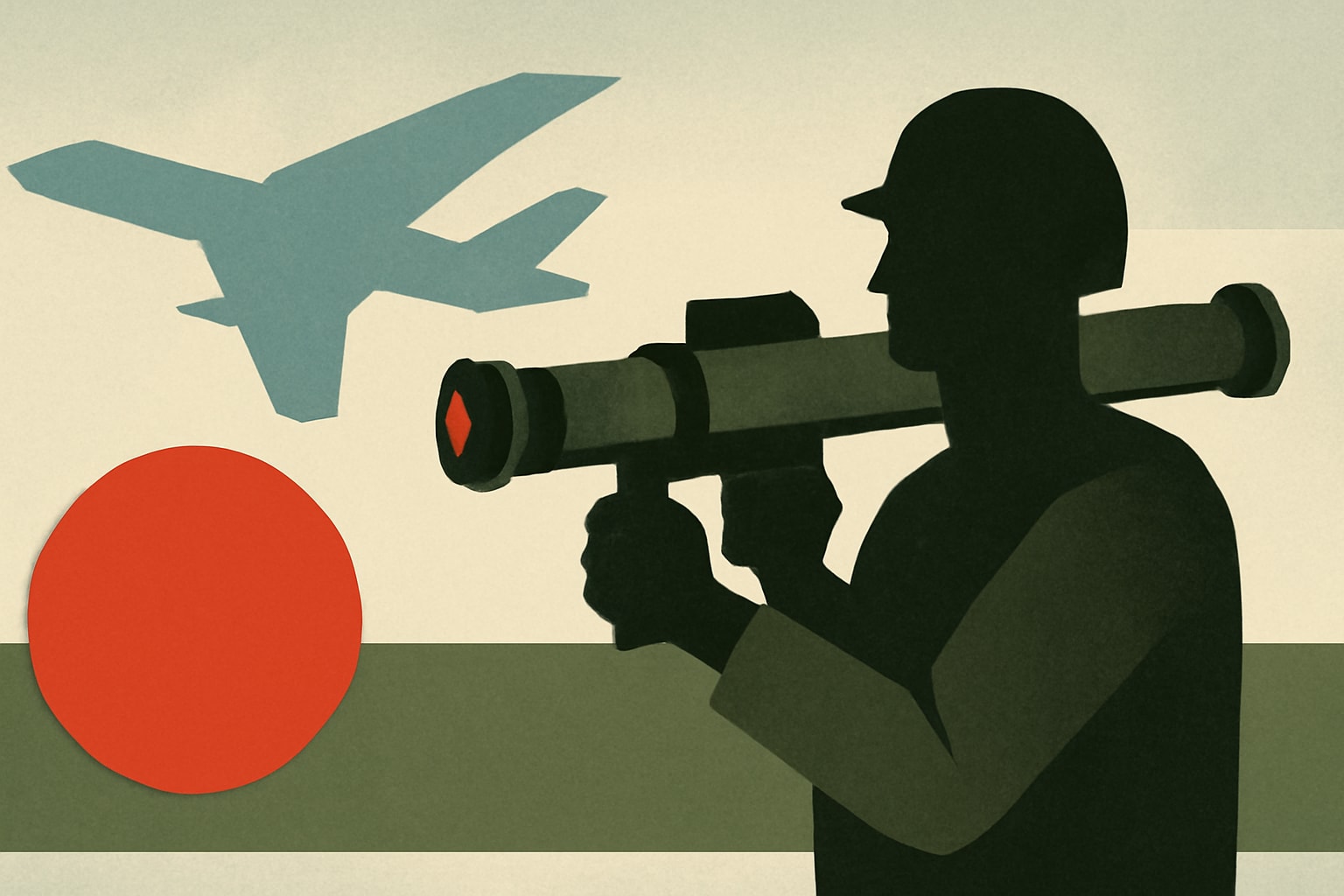
Iran is expected to receive a shipment of up to 400 Chinese-made shoulder-fired missile systems, raising concerns over regional security.
What's Happening
- •Iran is expected to receive its first shipment of Chinese-made shoulder-fired missile systems within weeks.
- •The shipment could include up to 400 missile launchers designed for air defense.
- •This acquisition marks a significant enhancement of Iran's military capabilities.
Why It Matters
The acquisition of advanced missile systems by Iran poses a direct challenge to U.S. interests and regional stability. For military personnel and defense planners, understanding these developments is crucial for maintaining readiness and ensuring effective operational strategies in the Middle East.
What Changes Now
- •Iran's military capabilities will be significantly enhanced with the arrival of these missile systems. This change necessitates a reassessment of threat levels by U.S. military planners.
- •U.S. forces in the region may face increased risks during air operations. Service members should prepare for potential changes in operational protocols to mitigate these risks.
- •Regional allies may react by increasing their own military readiness. This could involve joint exercises or enhancements to their air defense systems.
What to Watch
- •Monitor the timeline for the delivery of the missile systems to Iran. This will provide insight into when Iran might operationalize these new capabilities.
- •Watch for reactions from U.S. defense officials regarding changes in military strategy in the Middle East. Their assessments will guide operational adjustments for U.S. forces.
- •Keep an eye on regional military exercises involving U.S. allies. These exercises may increase in frequency as countries respond to the perceived threat from Iran.
Get the Daily Briefing
Military and veteran news that actually affects you, in your inbox each morning.
More Context
- •Details of the Shipment: The anticipated delivery of Chinese shoulder-fired missile systems to Iran is a major development in military procurement. These systems are designed for portable air defense, allowing Iranian forces to engage aerial threats more effectively. The acquisition is expected to bolster Iran's existing military capabilities, particularly in asymmetric warfare scenarios where mobility and flexibility are crucial. The systems can be deployed by infantry units, enhancing their operational effectiveness in various combat situations.
- •Implications for Regional Security: The introduction of advanced missile systems into Iran's arsenal raises significant concerns for neighboring countries and international observers. Countries such as Israel and Saudi Arabia, which view Iran as a regional threat, may respond by enhancing their own military readiness. This development could lead to an arms race in the region, as nations seek to counterbalance Iran's growing capabilities. Additionally, U.S. military interests in the area could be affected, necessitating a reassessment of defense strategies.
- •Potential Impact on U.S. Forces: Active-duty service members, particularly those in the Air Force and Navy, should be aware of the implications of Iran's enhanced missile capabilities. The presence of advanced shoulder-fired systems could complicate air operations in the region, requiring adjustments in tactics and strategies. Personnel involved in planning and executing missions in the Middle East may need to consider new threat assessments and operational protocols to ensure safety and effectiveness.
- •What to Monitor Moving Forward: As the situation develops, it will be important to monitor Iran's military activities and any responses from the U.S. and its allies. Key events to watch include joint military exercises by regional powers and any statements from U.S. defense officials regarding changes in strategy. Additionally, keep an eye on the international community's reaction, particularly from the United Nations, as diplomatic efforts may be initiated to address the growing tensions.
Frequently Asked Questions
Does this affect Guard members on Title 10 orders?
Yes, Guard members on Title 10 orders may need to adjust their operational readiness and training to account for new threats from Iran.
Will my BAH change if I move duty stations mid-year?
Your Basic Allowance for Housing (BAH) may change based on the cost of living at your new duty station, so it's important to review the rates for your new location.
Veteran Take
For those who've served, the news of Iran acquiring advanced missile systems from China is a stark reminder of the ongoing volatility in the region. We understand all too well that these developments can escalate tensions and require us to stay vigilant. Veterans navigating this landscape know that the stakes are high, and the implications for U.S. military strategy and our allies are profound.
The Daily Briefing
Military & veteran news that actually affects you — delivered every morning.
- Pay, benefits & policy changes
- Pentagon decisions that matter
- VA updates for veterans & families
- One email. No spam. Unsubscribe anytime.
Related Stories
- CMSAF Urges Airmen to Embrace AI or Risk Obsolescence— Air & Space Forces Magazine
- Air Force Erects Inert Sentinel ICBM Ahead of 2027 Test Launch— Air & Space Forces Magazine
- U.S. and Iran Exchange Strikes Amid Rising Tensions— Task & Purpose
- Pentagon Seeks AI Solutions for Enhanced Missile Defense— Defense News