Hasty U.S. Exit from Europe Risks Alienating NATO Allies
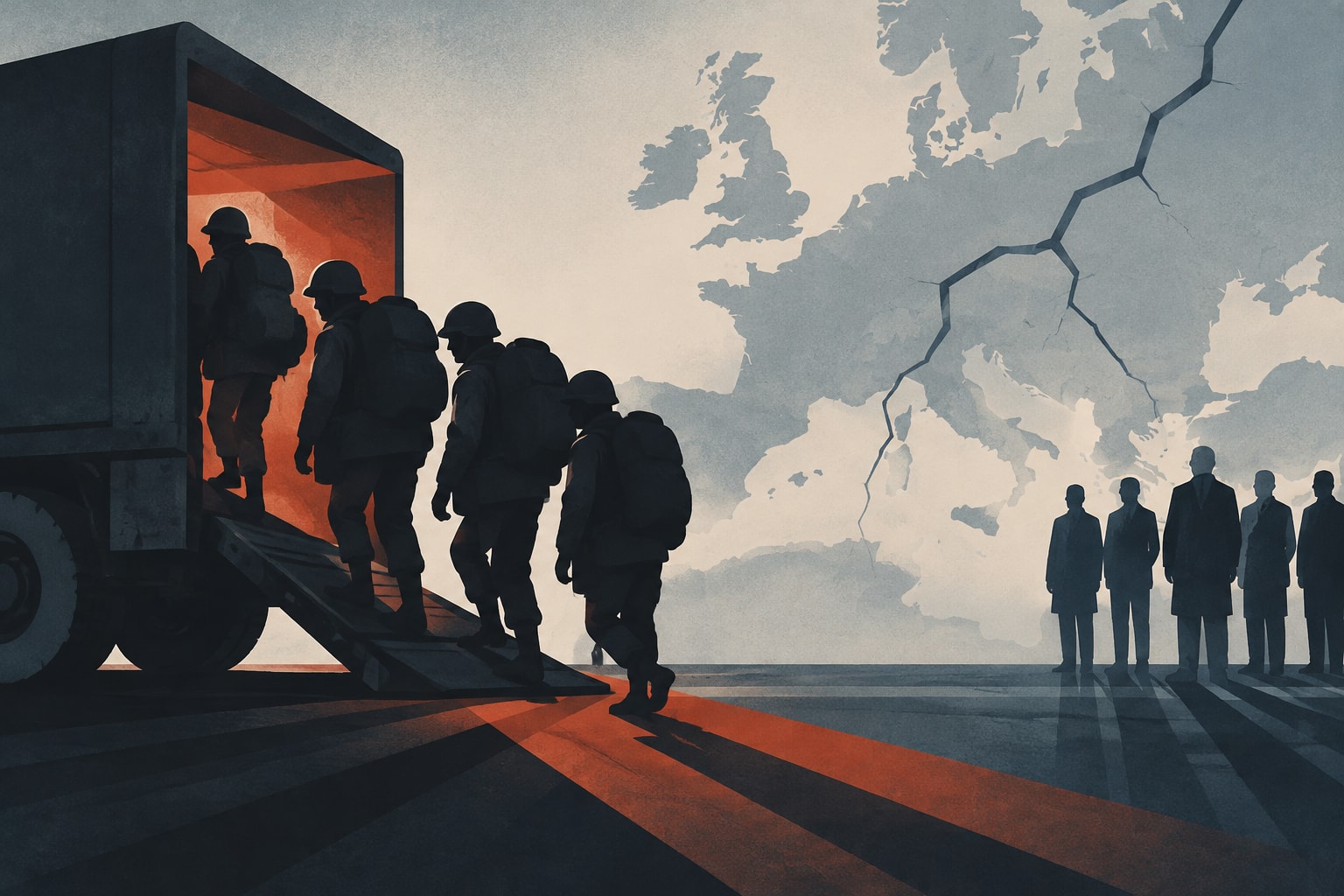
A RAND study warns that a rapid U.S. military withdrawal from Europe could weaken ties with NATO allies and affect arms sales.
What's Happening
- •A RAND Corporation study indicates a rapid U.S. military drawdown from Europe could harm relationships with NATO allies.
- •The study suggests that uncoordinated exits may lead allies to seek alternative defense partnerships.
- •Concerns arise that this shift could impact U.S. arms sales to key European nations.
Why It Matters
The potential for a rapid U.S. military exit from Europe carries significant implications for national security and military readiness. For service members and veterans, understanding these dynamics is crucial, as they could influence future deployments, military partnerships, and the overall defense landscape in Europe.
What Changes Now
- •Service members stationed in Europe may face reassignment as the military evaluates its overseas presence. This could affect their roles and responsibilities in the coming months.
- •Families of service members should prepare for potential changes in community resources and support networks. A drawdown could lead to reduced services available to military families in Europe.
- •NATO allies may begin exploring alternative arms suppliers if U.S. military support wanes. This shift could alter defense procurement strategies across Europe.
What to Watch
- •Upcoming Pentagon announcements regarding troop levels in Europe will be crucial. These announcements will clarify the future of U.S. military presence and its implications for service members.
- •NATO meetings scheduled for the next quarter will discuss defense strategies in light of U.S. policy shifts. The outcomes of these meetings could redefine NATO's approach to collective security.
- •Watch for changes in arms sales and procurement contracts with European nations. These changes will signal how U.S. relationships with NATO allies may evolve in response to military drawdowns.
Get the Daily Briefing
Military and veteran news that actually affects you, in your inbox each morning.
More Context
- •The RAND Study's Findings: The RAND Corporation's recent analysis emphasizes the potential fallout of a swift U.S. military withdrawal from Europe. It highlights that such an exit could lead to a deterioration of trust and cooperation with NATO allies, who may feel abandoned. The study points out that these allies rely on the U.S. for military support and advanced weaponry. If the U.S. were to withdraw hastily, it could drive these nations to seek arms from other countries, undermining American influence in the region.
- •Implications for NATO Relationships: NATO allies have long depended on the U.S. for security assurances and military technology. A rapid withdrawal could signal to these countries that the U.S. is retreating from its commitments, potentially leading to a reevaluation of their own defense strategies. This could result in a fragmented defense landscape in Europe, where nations may pursue independent military capabilities or turn to alternative suppliers, thereby reducing reliance on American arms.
- •Who Will Be Affected?: Active duty service members, particularly those in the U.S. Army and Air Force stationed in Europe, will feel the immediate effects of any drawdown. This includes personnel in combat arms roles such as 11B Infantrymen and 13B Field Artillerymen, as well as support roles like 68W Army medics. Additionally, NATO allies, especially those in Eastern Europe, may reconsider their defense contracts with the U.S., impacting military procurement strategies across the continent.
- •What Changes Now?: Service members in Europe should prepare for potential shifts in their assignments and roles as the military evaluates its presence. This could involve reassignment or changes in mission focus, impacting their daily operations. Families of service members may also need to consider the implications for their living arrangements and support networks in Europe, as a drawdown could lead to reduced community resources.
- •What to Watch: Monitor announcements from the Pentagon regarding troop levels in Europe, as any changes will directly affect service members and their families. Keep an eye on NATO meetings and discussions about defense strategies, as these will reveal how allies respond to U.S. military policies. Additionally, watch for shifts in arms sales and procurement contracts with European nations, which may indicate a longer-term trend away from American suppliers.
Frequently Asked Questions
Does this affect Guard members on Title 10 orders?
Yes, if there is a drawdown, Guard members on Title 10 orders in Europe may face reassignment or changes in mission focus.
Will my BAH change if I move duty stations mid-year?
Yes, moving duty stations mid-year can affect your Basic Allowance for Housing (BAH), as it is based on your new location.
How will this impact my job security as a service member?
Job security may be affected if troop levels are reduced, leading to potential reassignment or changes in roles.
The Daily Briefing
Military & veteran news that actually affects you — delivered every morning.
- Pay, benefits & policy changes
- Pentagon decisions that matter
- VA updates for veterans & families
- One email. No spam. Unsubscribe anytime.
Related Stories
- Gulf War Air Campaign Map Featured in New Smithsonian Exhibit— Air & Space Forces Magazine
- AFRL to Fund $30M Cislunar Operations Project Starting Spring 2026— Air & Space Forces Magazine
- Russia's Military Satellite Maneuvers Raise Security Concerns for U.S.— Defense News
- Space Force Aims for Third Launch Range by 2030 to Boost Launch Capacity— Air & Space Forces Magazine