U.S. Military to Impose Shipping Blockade on Iran, Raising Regional Tensions
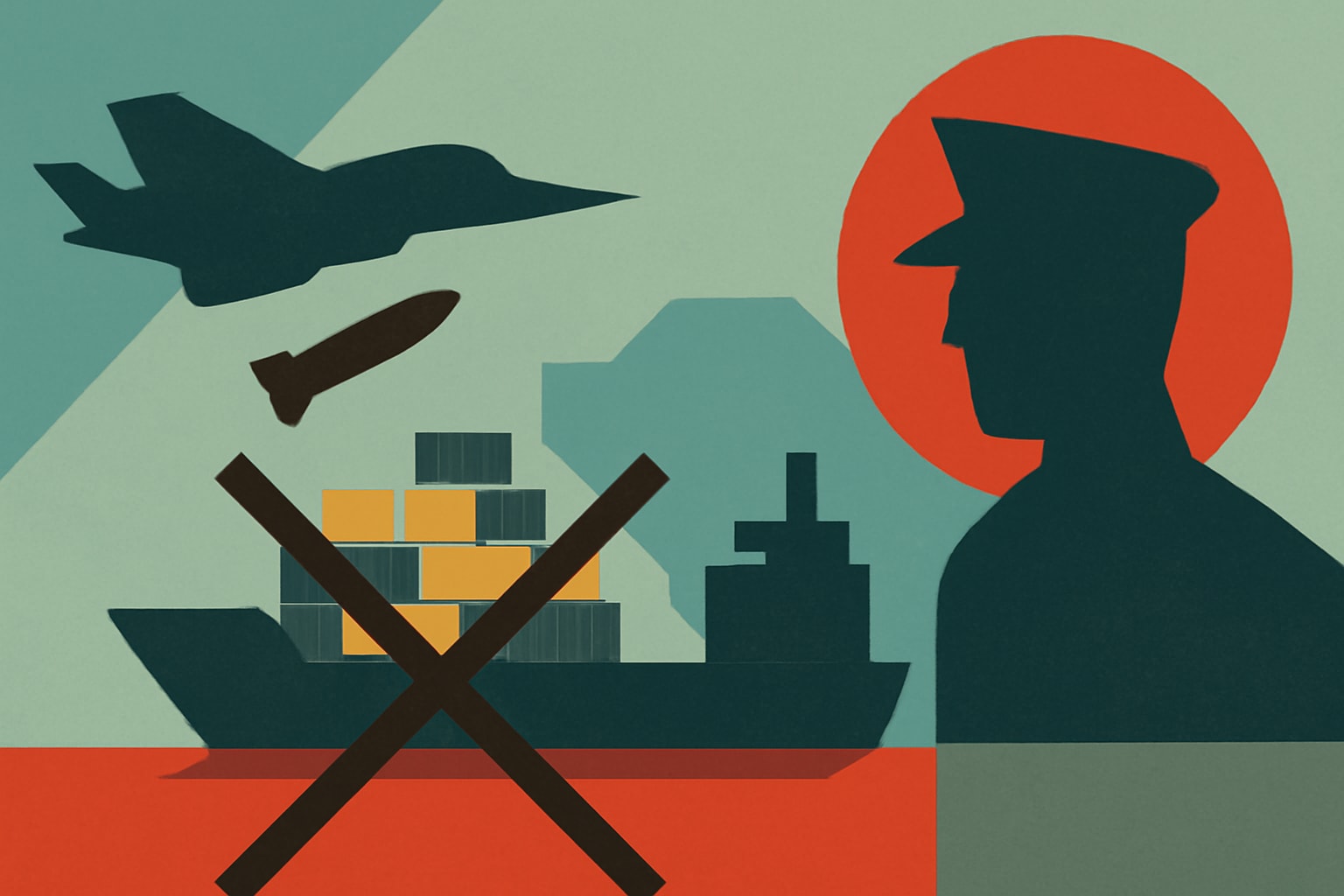
A U.S. naval blockade of Iranian ports is set to begin, prompting threats and raising concerns about renewed conflict.
What's Happening
- •The U.S. military will begin a blockade of all Iranian ports and coastal areas.
- •This action is part of a strategy to pressure Iran amid rising tensions in the region.
- •Iran has responded with threats against ports in the Middle East, warning of potential retaliation.
Why It Matters
The U.S. blockade of Iranian ports significantly impacts military personnel deployed in the region, increasing the likelihood of confrontations. Military families may experience heightened anxiety due to the potential for extended deployments or new assignments in response to the escalating situation.
What Changes Now
- •The U.S. military will increase its naval presence in the Persian Gulf and surrounding waters. This heightened presence aims to enforce the blockade and deter Iranian retaliation.
- •Global shipping routes may experience disruptions due to the blockade. Shipping companies will need to assess risks and adjust their operations accordingly.
- •Oil prices are expected to rise due to the blockade and associated tensions. Consumers worldwide may feel the impact of these price increases in their daily lives.
What to Watch
- •Iran's response to the blockade will be critical in the coming weeks. Any retaliatory actions could escalate tensions and lead to military confrontations.
- •The impact of the blockade on global oil prices will be closely monitored. Fluctuations in oil prices could affect economic stability worldwide.
- •Diplomatic efforts to resolve the situation will be essential. The international community's response will influence the potential for de-escalation or further conflict.
Get the Daily Briefing
Military and veteran news that actually affects you, in your inbox each morning.
More Context
- •Details of the Blockade: In April 2026, the U.S. military announced its intention to impose a naval blockade on all Iranian ports and coastal areas. This decision, made under the direction of President Donald Trump, aims to exert economic pressure on Iran by restricting its maritime trade. The blockade is anticipated to have significant repercussions, not only for Iran but also for global shipping and oil markets, as it could disrupt established trade routes.
- •Iran's Response and Regional Implications: Iran's leadership has reacted strongly to the blockade, issuing threats against various ports in the Middle East. While specific targets were not disclosed, the Iranian government has made it clear that any disruption to its maritime activities will provoke reciprocal measures. This escalation raises concerns about potential conflicts in critical shipping lanes, which are vital for international trade and energy supplies.
- •Economic and Military Considerations: The rationale behind the U.S. blockade is to limit Iran's access to resources that could support destabilizing activities in the region. U.S. officials have accused Iran of backing proxy groups that threaten regional stability. However, critics warn that the blockade could lead to unintended consequences, such as increased oil prices and heightened risks of military encounters between U.S. and Iranian forces.
- •Legal and Diplomatic Challenges: The legality of imposing a unilateral blockade is often debated under international law, particularly when it lacks a clear mandate from the United Nations Security Council. The blockade's effectiveness will depend on international cooperation and Iran's ability to circumvent it. As the situation evolves, diplomatic efforts will be crucial in managing tensions and preventing further escalation.
- •Monitoring the Situation: As the blockade takes effect, the international community will closely monitor its impact on global energy markets and regional stability. Shipping companies and insurers will face increased risks and costs associated with operating in the area. The coming weeks will be critical in determining whether this strategy achieves its objectives or leads to broader conflict.
Veteran Take
For those who've served, the news of a blockade against Iran brings back memories of the uncertainty and tension we faced during our own deployments. Veterans navigating this will understand the strain it puts on military families, as they grapple with the possibility of extended separations and the fear of conflict. Anyone who's dealt with the realities of military life knows that these decisions have real consequences, not just for service members, but for their loved ones waiting at home.
The Daily Briefing
Military & veteran news that actually affects you — delivered every morning.
- Pay, benefits & policy changes
- Pentagon decisions that matter
- VA updates for veterans & families
- One email. No spam. Unsubscribe anytime.
Related Stories
- Army Releases ‘Know the Threat’ Guide on Iranian Soldiers— Task & Purpose
- US Army Awards $43 Million to Kaizen Laboratories for Software Development— Army Times
- Pentagon Recruits Drone Pilots from Across Services for Upcoming Competition— Military Times
- AH-64 Apache Grounding Expected to Last Months, Affecting All Squadrons— Military Times