Iran's Military Threat Diminished, But U.S. Forces Remain Vigilant
Adm. Brad Cooper highlights significant reductions in Iran's military capabilities while cautioning that threats persist.
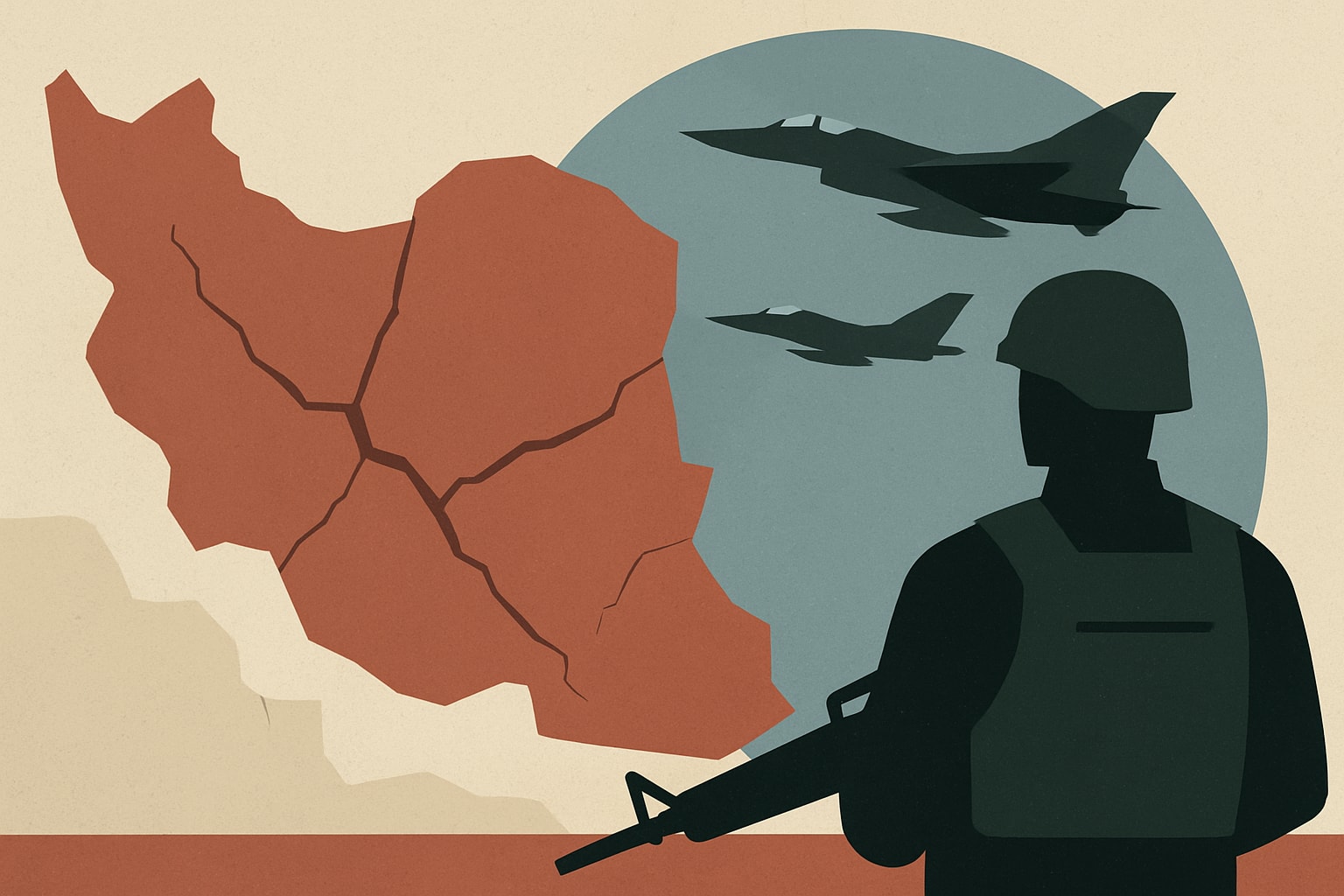
What's Happening
- •Adm. Brad Cooper stated that the U.S. has degraded Iran's military capabilities significantly.
- •Approximately 90% of Iran's naval mines have been eliminated, impacting their warfighting capacity.
- •Despite these reductions, Iran still poses a potential threat to U.S. interests in the region.
Why It Matters
The assessment of Iran's military threat is crucial for U.S. forces operating in the Middle East. Understanding the current state of military capabilities helps inform strategic decisions and operational readiness for service members and their families.
What Changes Now
- •U.S. naval operations in the Gulf may experience increased freedom of movement due to reduced Iranian threats. This allows for more strategic positioning and operational flexibility for deployed forces.
- •Service members in the region should remain vigilant and prepared for unconventional tactics from Iran. Continuous training and situational awareness are essential to counter potential asymmetric threats.
- •Military families may see changes in deployment schedules or operational briefs as CENTCOM reassesses the regional threat landscape. Staying in communication with unit leadership will be important for updates.
What to Watch
- •Upcoming CENTCOM assessments will provide insights into Iran's military capabilities and U.S. responses. These assessments will be crucial for shaping future military strategies in the region.
- •Potential shifts in U.S. military posture may occur based on ongoing intelligence reports. Service members should be prepared for briefings regarding any changes to operational plans.
- •Monitoring Iran's development of asymmetric warfare tactics will be important for U.S. forces. Keeping abreast of these developments will help service members remain prepared for evolving threats.
Get the Daily Briefing
Military and veteran news that actually affects you, in your inbox each morning.
More Context
- •Current State of Iran's Military Capabilities: Adm. Brad Cooper, the commander of U.S. Central Command (CENTCOM), recently addressed the state of Iran's military capabilities, emphasizing that while the threat has been significantly reduced, it is not entirely eliminated. The U.S. military has successfully targeted and destroyed approximately 90% of Iran's naval mines, which were a key component of their maritime strategy. This degradation of capabilities is crucial for ensuring the safety of U.S. naval operations in the region and reflects the ongoing efforts by U.S. forces to maintain regional stability.
- •Implications for U.S. Military Operations: The diminished threat from Iran's military capabilities allows U.S. forces to operate with a greater degree of freedom in the region. However, service members, particularly those in naval operations and intelligence roles, must remain vigilant as Iran continues to develop asymmetric warfare strategies. For example, sailors and Marines stationed on ships in the Persian Gulf should be aware of the potential for unconventional tactics, such as swarm attacks from small boats or drone surveillance, which Iran may still employ despite the loss of conventional assets.
- •What This Means for Military Families and Veterans: For military families and veterans, the ongoing assessment of threats from Iran underscores the importance of understanding geopolitical dynamics. Families of active-duty personnel, especially those in the Navy and Marine Corps, should stay informed about potential deployments and operational changes that may arise from shifts in regional security. Additionally, veterans who served in the Middle East may find relevance in these updates as they reflect on their service and the current state of affairs in the region.
- •Future Monitoring and Strategic Considerations: As the situation evolves, it is essential for military personnel and their families to monitor developments regarding Iran's military capabilities and U.S. responses. Upcoming assessments by CENTCOM will provide further insights into the strategic landscape and potential adjustments in military posture. Service members should be prepared for briefings and updates that may affect their deployments or operational readiness, ensuring they remain informed and ready to respond to any changes in the threat environment.
Frequently Asked Questions
Does this affect Guard members on Title 10 orders?
Yes, Guard members on Title 10 orders may be impacted by changes in operational readiness and deployment schedules as the situation with Iran evolves.
Will my BAH change if I move duty stations mid-year?
Your Basic Allowance for Housing (BAH) may change if you move duty stations mid-year, depending on the housing rates in your new location.
Veteran Take
For those who've served in the Middle East, the ebb and flow of threats from nations like Iran is a familiar reality. While it's reassuring to hear that their military capabilities have diminished, we know all too well that vigilance is a constant requirement. Veterans navigating this landscape understand that even reduced threats can lead to unpredictable situations, and our service members must remain prepared for anything.
The Daily Briefing
Military & veteran news that actually affects you — delivered every morning.
- Pay, benefits & policy changes
- Pentagon decisions that matter
- VA updates for veterans & families
- One email. No spam. Unsubscribe anytime.
Related Stories
- Former Fort Hood Soldier Sentenced to Nearly Six Years for Hacking Scheme— Task & Purpose
- Four Airmen Awarded Distinguished Flying Cross for Kabul Evacuation Actions— Task & Purpose
- Jake and Logan Paul Visit the Pentagon: Insights and Reactions— Military.com
- DPAA Proposes to Exhume and Identify Korean War Remains in Tomb of the Unknown Soldier— Army Times