Iran-Linked Hackers Send Menacing Texts to U.S. Service Members
Iranian hackers are now targeting U.S. troops with personal threats via text messages, escalating cyber warfare tactics.
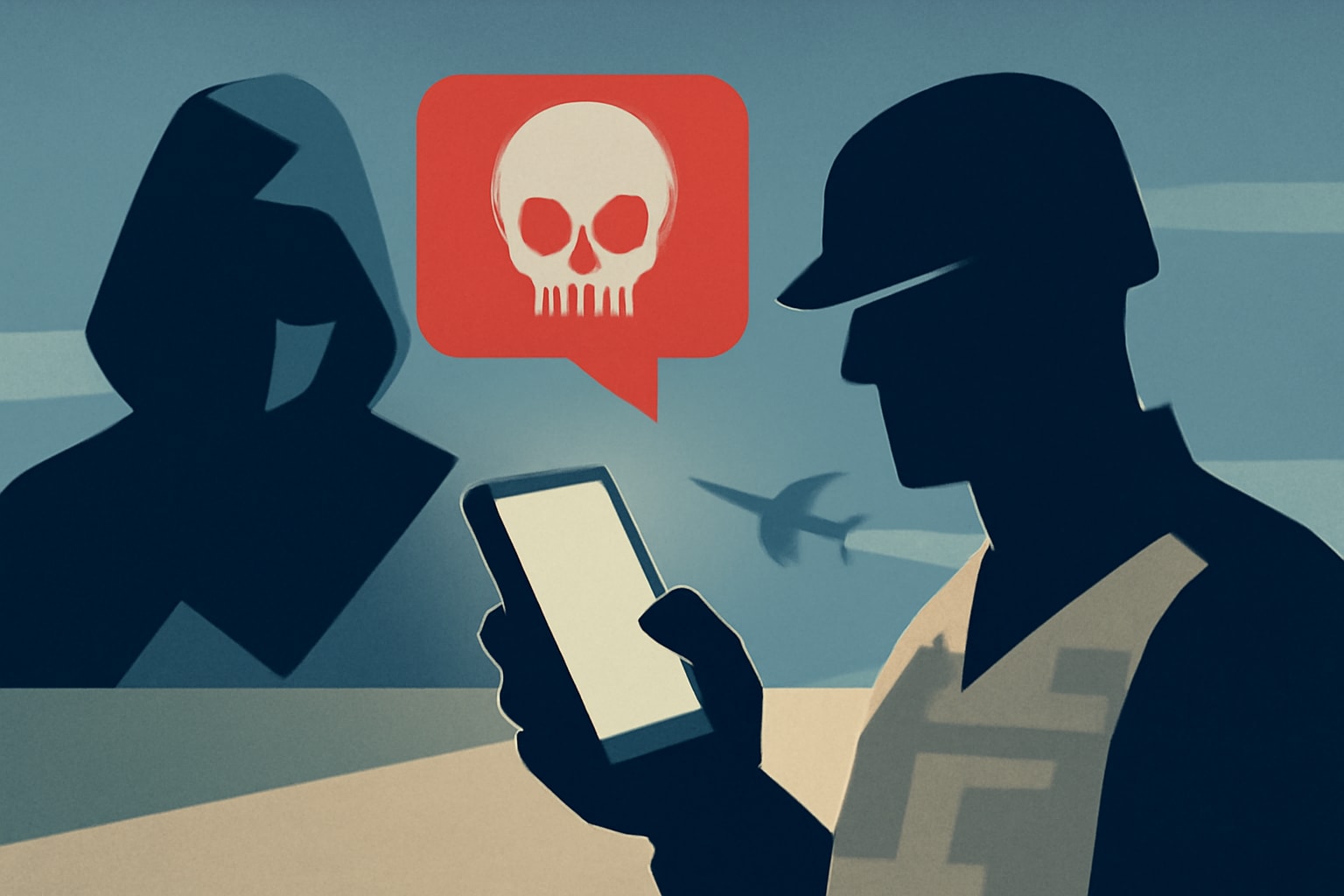
What's Happening
- •Iran-linked hackers, known as Handala, have sent threatening texts to U.S. service members.
- •The messages represent a shift towards more personal and psychological cyber attacks.
- •This tactic aims to intimidate troops and disrupt their focus.
Why It Matters
The rise of personal threats from hackers like Handala underscores a significant shift in cyber warfare tactics, directly impacting U.S. military readiness and morale. As service members face these new challenges, it is crucial for military leadership to respond effectively to ensure the psychological well-being and operational effectiveness of their forces.
What Changes Now
- •Military leadership is likely to increase mental health resources for service members. This change aims to help troops cope with the psychological impact of direct threats.
- •Training programs may be updated to include strategies for dealing with personal cyber threats. This will prepare service members to maintain focus and resilience in the face of intimidation.
- •Enhanced communication protocols will be established to inform troops about potential threats. This will ensure that service members are aware of the risks and can take appropriate precautions.
What to Watch
- •Monitor updates from military leadership regarding new cybersecurity training initiatives. These updates will provide insight into how the military is adapting to evolving cyber threats.
- •Watch for changes in mental health support programs for service members. These changes will indicate how the military is prioritizing the psychological well-being of its personnel.
- •Keep an eye on the activities of the Handala hacking group and similar entities. Understanding their tactics will be crucial for developing effective countermeasures.
Get the Daily Briefing
Military and veteran news that actually affects you, in your inbox each morning.
More Context
- •The New Tactics of Cyber Warfare: The Handala hacking group has adopted a more personal approach in its cyber operations, targeting individual U.S. service members with menacing text messages. This shift reflects a broader trend in cyber warfare, where psychological tactics are increasingly used to instill fear and uncertainty among military personnel. By sending direct threats, these hackers aim to undermine the morale and operational effectiveness of U.S. forces, creating a new layer of psychological warfare that complements traditional cyber attacks.
- •Implications for Service Members: For active-duty service members, the implications of these threats are significant. They may experience heightened anxiety and stress, which can affect their performance and decision-making in critical situations. Military leadership must address these concerns proactively, ensuring that troops are equipped with the necessary resources to handle such psychological tactics. This includes mental health support and clear communication about the nature of these threats, as well as strategies for maintaining focus amidst intimidation.
- •Broader Security Concerns: The emergence of personal threats from cyber adversaries like Handala raises broader security concerns for the U.S. military. It highlights the need for enhanced cybersecurity measures and training to protect service members from psychological manipulation. As cyber threats evolve, military strategies must adapt to counteract these new methods of warfare. This includes not only technological defenses but also fostering resilience among troops to withstand psychological tactics employed by adversaries.
Veteran Take
For those who've served, the notion of being targeted by hostile actors through personal threats is unsettling. We understand the complexities of cyber warfare and how it can undermine morale and readiness. It's vital for military leadership to not only address these threats but also to support the mental resilience of service members facing this new kind of warfare.
The Daily Briefing
Military & veteran news that actually affects you — delivered every morning.
- Pay, benefits & policy changes
- Pentagon decisions that matter
- VA updates for veterans & families
- One email. No spam. Unsubscribe anytime.
Related Stories
- Air Force Successfully Tests New Sentinel ICBM Reentry Vehicle— Air & Space Forces Magazine
- B-2 Stealth Bomber Returns to Whiteman AFB After Depot Maintenance— Air & Space Forces Magazine
- NATO Presses Ahead With Nuclear Drill Amid Russian Nuclear Warnings— Military.com
- Wounded Soldiers Accuse Military Healthcare System of Failing Them— Military.com