Army Transforms Command Post Strategy to Enhance Operational Security
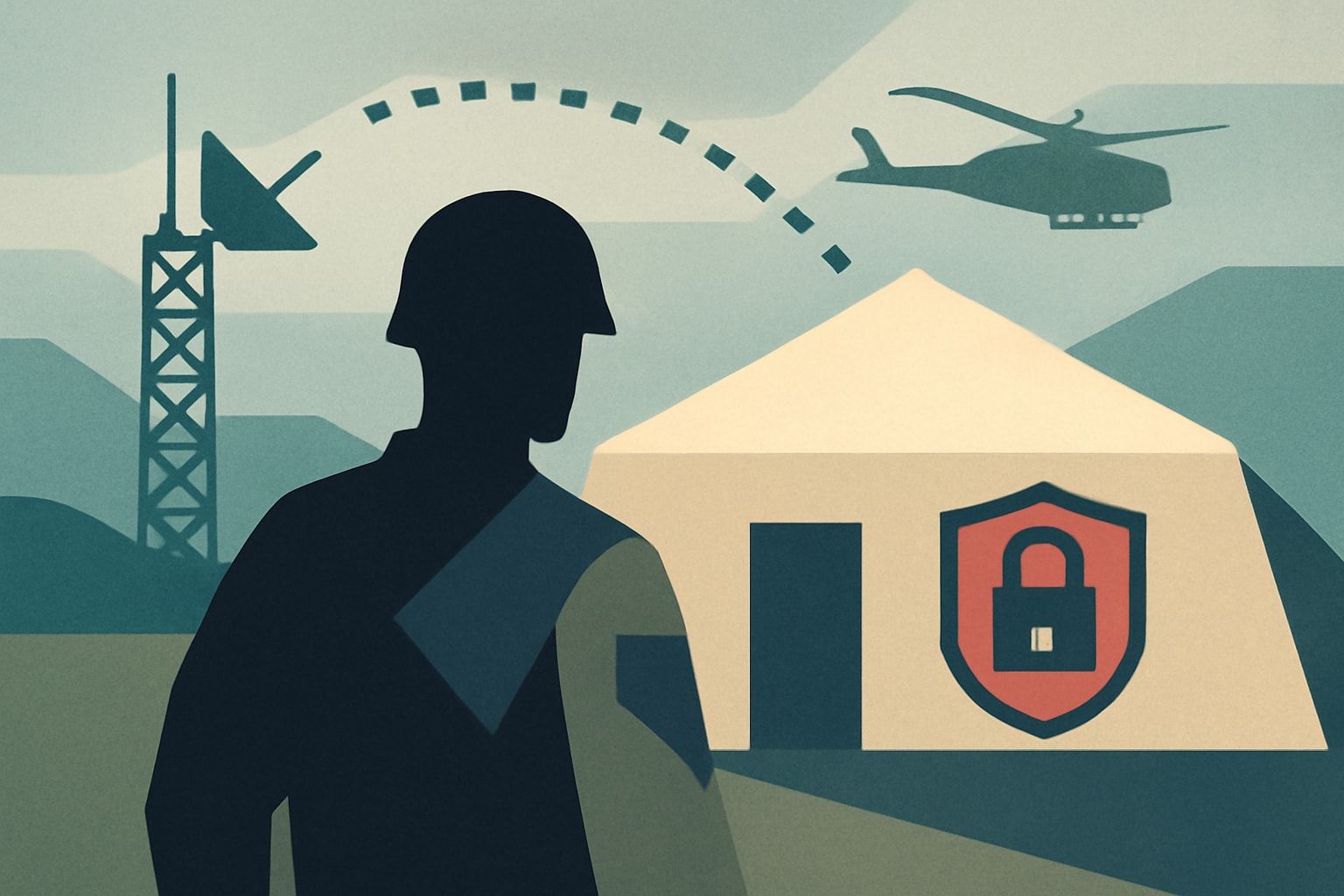
The Army is rethinking its command post strategy to avoid vulnerabilities against modern adversaries.
What's Happening
- •The Army is moving away from large, static command posts established during the Global War on Terror.
- •Army officials warned that using static command posts against modern adversaries could be 'suicidal.'
- •A new doctrine emphasizes the need for agility and stealth in command operations.
Why It Matters
The Army's shift in command post strategy is crucial for maintaining operational effectiveness in modern warfare. As adversaries grow more sophisticated, adapting to agile command structures can mean the difference between mission success and failure for service members on the front lines.
What Changes Now
- •The Army will begin transitioning to mobile command posts within the next year. This change will require soldiers to undergo new training focused on agility and rapid deployment.
- •New equipment designed for mobile operations will be distributed to units. This will enhance their ability to respond quickly to threats and maintain operational security.
- •Command procedures will be updated to reflect the new doctrine emphasizing stealth and mobility. This will directly affect how units plan and execute missions.
What to Watch
- •The Army is expected to announce a detailed timeline for the rollout of the new command post strategy. This will be critical for units to prepare for upcoming training and operational changes.
- •Feedback from upcoming field exercises will influence the final implementation of these changes. Monitoring these exercises will provide insights into how well the new strategies are being adopted.
- •Key decisions from Army leadership regarding training and equipment distribution will be made in the next quarter. Staying informed on these developments will be essential for all affected personnel.
Get the Daily Briefing
Military and veteran news that actually affects you, in your inbox each morning.
More Context
- •The Shift from Static to Agile Command Posts: Historically, the Army relied on large, static command posts that were complex and vulnerable to enemy attacks. In recent years, military leaders have recognized the need for a more agile approach, especially in light of evolving threats from adversaries who can exploit these vulnerabilities. The shift aims to enhance operational security by utilizing smaller, mobile command units that can adapt quickly to changing battlefield conditions.
- •Implications for Army Personnel: This transformation will significantly impact various ranks and roles within the Army. For example, Active Duty E-5 to E-7 leaders in combat arms units will need to adapt to new operational procedures that emphasize mobility and stealth. Additionally, training programs will be updated to prepare soldiers for these changes, ensuring they can effectively operate in dynamic environments.
- •Practical Changes Ahead: As the Army implements this new doctrine, specific changes will affect how command posts are established and operated. Soldiers will receive updated training on mobile command operations, which will be rolled out over the next year. Furthermore, units will begin to receive new equipment designed for rapid deployment, enhancing their ability to respond to threats in real-time.
- •What to Monitor in the Coming Months: In the near future, the Army will release a detailed timeline for the rollout of new command post strategies. This will include updates on training schedules and equipment distribution, with key decisions expected from Army leadership in the next quarter. Additionally, feedback from field exercises will shape the final implementation of these changes, making it crucial for service members to stay informed.
Frequently Asked Questions
Will my unit receive new training on mobile command operations?
Yes, the Army plans to update training programs to include mobile command operations within the next year.
How will these changes affect my current role in the command structure?
Roles may shift as the Army emphasizes agility, requiring personnel to adapt to new procedures and equipment.
When can we expect the new equipment for mobile command posts?
New equipment is expected to be distributed over the next year as part of the transition to mobile operations.
Veteran Take
For those who've served, the shift in command post strategy reflects a necessary evolution in how we approach modern warfare. We understand that adaptability can be the key to survival in dynamic environments, and this change is a recognition of the lessons learned from past conflicts. Veterans navigating this new landscape will appreciate the emphasis on operational security, as it directly impacts the safety and effectiveness of our troops in the field.
The Daily Briefing
Military & veteran news that actually affects you — delivered every morning.
- Pay, benefits & policy changes
- Pentagon decisions that matter
- VA updates for veterans & families
- One email. No spam. Unsubscribe anytime.
Related Stories
- FEDVIP Dental Premiums to Rise 1%, Vision Premiums by 1.6% for 2027— Military.com
- Pentagon Threatens Universities Over Foreign Ties, Considers Audits— DefenseScoop
- US Navy Deploys Unmanned Maritime Drone to Support Carrier Strike Group— DefenseScoop
- Over 200 Troops Awarded Purple Hearts During the Iran War— Task & Purpose