Pentagon Reconsiders AI Polygraph Technology for Trust Assessments
The Pentagon's exploration of AI technology for polygraph analysis faces criticism, raising concerns about its reliability and implications for personnel.
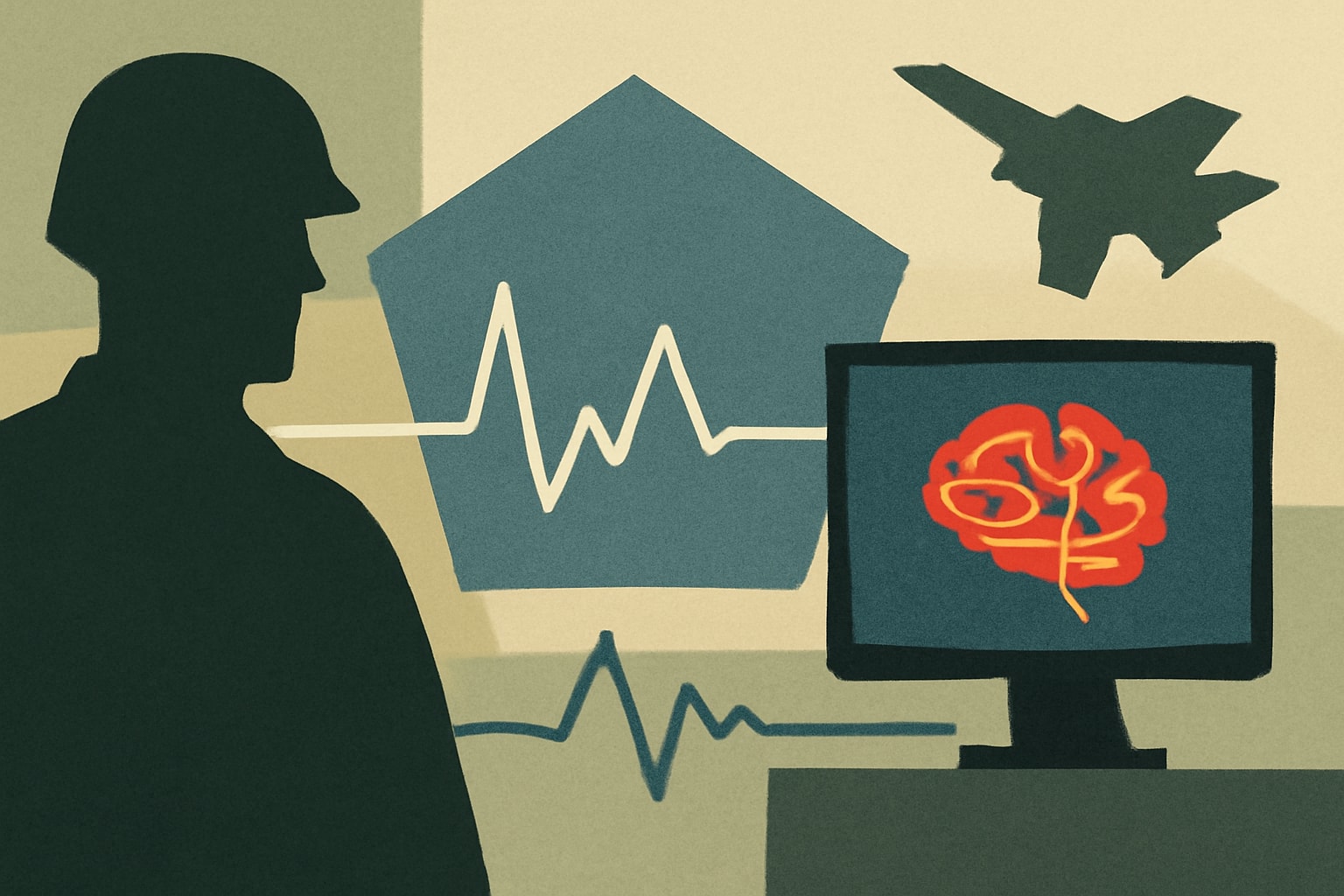
What's Happening
- •The Pentagon is reassessing the use of AI technology in polygraph tests for trustworthiness.
- •Critics argue that AI analysis lacks scientific credibility and could lead to increased errors.
- •The move comes amid growing concerns over the reliability of AI in sensitive military evaluations.
Why It Matters
This development is significant for military personnel, particularly those in sensitive roles, as it may directly influence their evaluations and career trajectories. The reliability of trust assessments is crucial for maintaining security and integrity within military operations, making this a pressing issue for active-duty service members and veterans alike.
What Changes Now
- •The Pentagon may pause any ongoing AI polygraph evaluations. This means that service members currently involved in these assessments will likely revert to traditional methods, which may provide a more established and familiar process.
- •Personnel in sensitive roles should prepare for potential delays in their clearance evaluations. As the Pentagon reassesses its approach, these delays could affect career advancement and operational readiness.
- •Active duty members should stay informed about updates from their commands regarding evaluation processes. Understanding these changes will be essential for navigating future assessments and maintaining security clearances.
What to Watch
- •Watch for an official announcement from the Pentagon regarding the status of AI polygraph technology. The timeline for this announcement is expected within the next few months, which could clarify the future of trust assessments.
- •Monitor discussions within military circles about the effectiveness of traditional versus AI-enhanced polygraph methods. These discussions will likely shape future policies and practices regarding personnel evaluations.
- •Keep an eye on how these changes might affect security clearance processes. Any adjustments could have significant implications for service members seeking advancement or new roles within the military.
Get the Daily Briefing
Military and veteran news that actually affects you, in your inbox each morning.
More Context
- •Concerns Over AI Polygraph Technology: The Pentagon has been exploring the integration of artificial intelligence in polygraph testing to assess trustworthiness among military personnel. However, this initiative has faced significant backlash from experts who argue that the technology lacks a solid scientific foundation. Critics highlight that AI's ability to analyze speech patterns, vocal stress, and facial expressions is not only unproven but could also exacerbate existing biases and errors in evaluations. For service members, this raises critical questions about the fairness and accuracy of assessments that could impact their careers.
- •Implications for Military Personnel: Active duty personnel, particularly those in sensitive positions such as intelligence or special operations, may feel the effects of this reassessment more acutely. If the Pentagon decides to abandon AI polygraph technology, it could lead to a return to traditional methods of evaluation, which some may find more reliable. However, the shift could also delay the implementation of new technologies aimed at enhancing security and trust within the ranks. For service members, understanding these changes is crucial, as they may influence clearance processes and career advancement opportunities.
- •What Changes Now for Service Members?: As the Pentagon evaluates its stance on AI polygraph technology, immediate changes may include a halt to any ongoing trials or implementations of AI systems in trust assessments. Service members currently undergoing evaluations may revert to traditional polygraph methods, which could provide a more familiar and established process. Additionally, personnel in roles requiring high security clearances should stay informed about how these changes might affect their evaluations and future opportunities within the military.
- •Looking Ahead: What to Monitor: Service members should keep an eye on upcoming announcements from the Pentagon regarding the future of AI in polygraph testing. The decision-making timeline is uncertain, but stakeholders expect updates in the next few months as the Pentagon reviews feedback from experts. Additionally, any changes in policy could significantly impact clearance processes and personnel evaluations, making it essential for service members to remain engaged with their command and relevant updates.
Frequently Asked Questions
Does this affect Guard members on Title 10 orders?
Yes, any changes to polygraph evaluation methods will impact all service members, including those in the National Guard on Title 10 orders.
Will my security clearance be affected by this decision?
If the Pentagon decides to halt AI polygraph testing, it may lead to a return to traditional evaluation methods, which could affect the timeline for security clearances.
How can I stay updated on changes to evaluation processes?
Stay in contact with your command and regularly check official Pentagon communications for updates on evaluation policies and procedures.
The Daily Briefing
Military & veteran news that actually affects you — delivered every morning.
- Pay, benefits & policy changes
- Pentagon decisions that matter
- VA updates for veterans & families
- One email. No spam. Unsubscribe anytime.
Related Stories
- Army Grounds Fleet of AH-64E Helicopters for Second Time in Three Months— Task & Purpose
- Air Force Explosive Ordnance Technicians to Sport New Rust-Colored Beret— Military Times
- Congress Questions Oracle on VA's $17 Billion EHR Contract Increase— Army Times
- Jason Thomas: Marine Who Helped Rescue Officers at Ground Zero on 9/11— Military.com