Army Introduces Reduced-Range .50-Caliber Ammunition for Safer Training
The Army's new .50-caliber ammunition aims to enhance training effectiveness while ensuring safety.
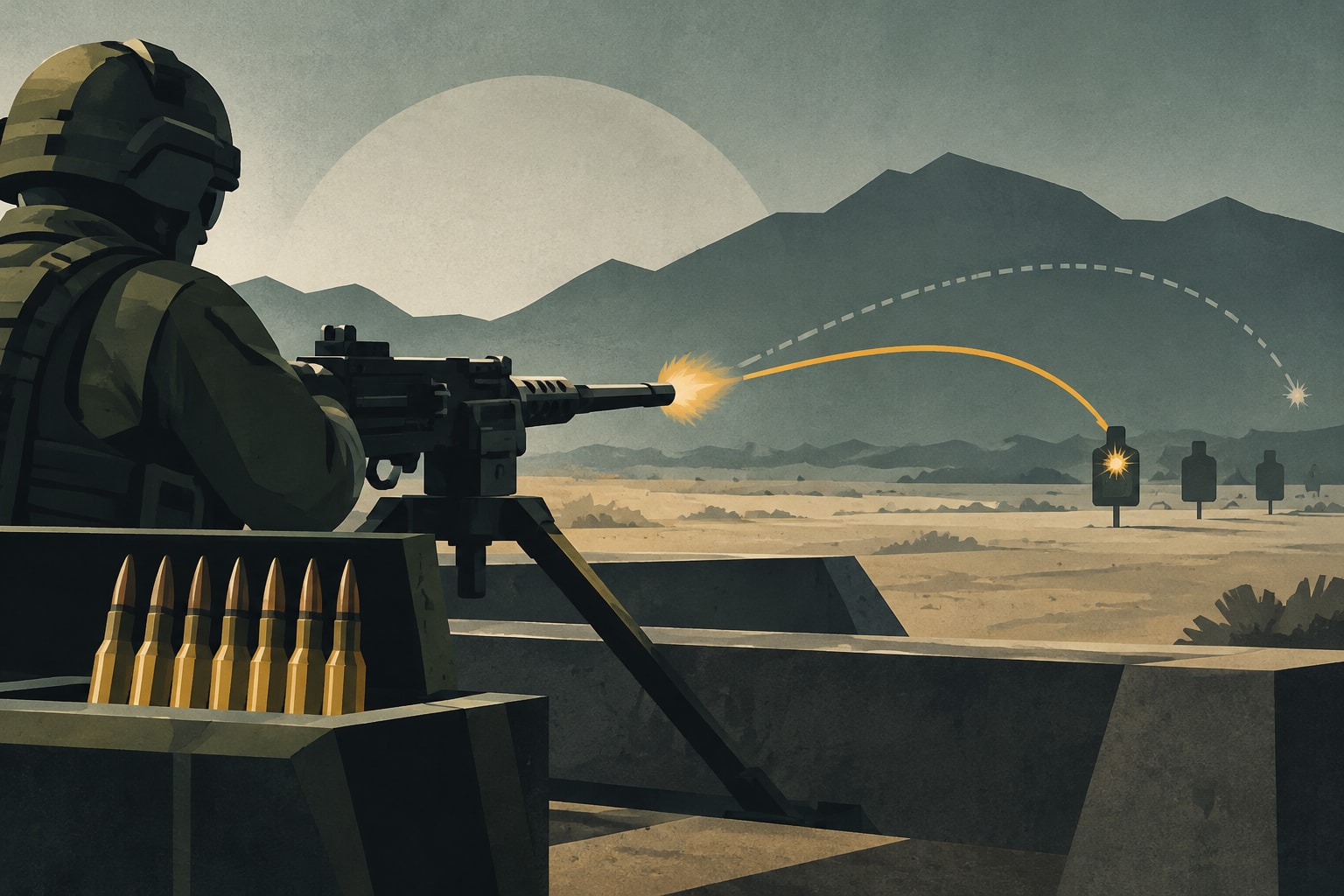
What's Happening
- •The Army has developed a new reduced-range .50-caliber ammunition.
- •This change allows soldiers to train effectively at shorter distances.
- •The new ammunition is designed to enhance safety during training exercises.
Why It Matters
The introduction of reduced-range .50-caliber ammunition is a proactive measure by the Army to enhance training safety and effectiveness. For service members, particularly those in combat roles, this change allows for more realistic training scenarios without the risks associated with long-range live-fire exercises.
What Changes Now
- •The Army will implement the new .50-caliber ammunition in training exercises starting next quarter. This change will allow soldiers to train at shorter distances, enhancing safety during live-fire drills.
- •Units will need to adjust their training plans to incorporate the new ammunition effectively. Leaders must ensure that soldiers understand the characteristics and limitations of this reduced-range ammunition.
- •Training facilities may require modifications to accommodate the shorter engagement distances. These adjustments are crucial for maintaining safety while maximizing training effectiveness.
What to Watch
- •Feedback from soldiers on the new ammunition will be collected in upcoming training evaluations. This feedback will help determine the effectiveness of the reduced-range ammunition in real-world scenarios.
- •The Army may consider expanding the use of this ammunition to Reserve and National Guard units. Monitoring this potential expansion will be important for understanding its broader impact on military training.
- •Future training curricula may evolve based on the experiences with the new ammunition. Observing changes in training protocols will provide insights into how the Army adapts to new technologies.
Get the Daily Briefing
Military and veteran news that actually affects you, in your inbox each morning.
More Context
- •Overview of the New Ammunition: The Army's introduction of reduced-range .50-caliber ammunition represents a significant shift in training protocols. By limiting the effective range of this powerful round, the Army aims to create a safer training environment for soldiers. This change is particularly relevant for units that conduct live-fire exercises in proximity to populated areas or sensitive installations. The new ammunition is expected to reduce the risk of unintended damage or injury during training, allowing soldiers to focus on honing their skills without compromising safety.
- •Impact on Training for Soldiers: Active duty soldiers across various ranks, particularly those in combat arms MOSs such as 11B Infantrymen and 19K Armor Crewmen, will benefit from this change. The reduced effective range enables these soldiers to engage in realistic training scenarios without the fear of long-range ricochets or stray rounds. This adjustment is crucial for maintaining operational readiness while ensuring that training remains safe and effective. Additionally, the new ammunition will likely lead to changes in training curricula, emphasizing the importance of adapting to new technologies.
- •What Changes Now for Soldiers and Units: Soldiers will begin using the new .50-caliber ammunition in upcoming training exercises starting next quarter. This transition will require units to adjust their training plans to incorporate the new ammunition effectively. Leaders at all levels must ensure that soldiers are familiar with the characteristics and limitations of the reduced-range ammunition to maximize its benefits. Furthermore, training facilities may need to modify their layouts to accommodate the shorter engagement distances, enhancing overall safety.
- •Future Considerations: As the Army rolls out this new ammunition, it will be important to monitor feedback from soldiers and training units. The Army's leadership will assess the effectiveness of the ammunition in real-world training scenarios and consider further adjustments if necessary. Additionally, the potential for this ammunition to be adopted by Reserve and National Guard units could broaden its impact, making it a topic of interest for all branches of the military. Stakeholders should keep an eye on upcoming training evaluations and reports to gauge the success of this initiative.
Frequently Asked Questions
Does this affect Guard members on Title 10 orders?
Yes, the new .50-caliber ammunition may be adopted for training by Guard members on Title 10 orders, enhancing their training safety.
Will my unit need to change training schedules?
Yes, units will need to adjust their training schedules to incorporate the new ammunition and its effective range.
How will this change impact live-fire exercises?
The reduced-range ammunition will allow for safer live-fire exercises, minimizing risks associated with long-range firing.
The Daily Briefing
Military & veteran news that actually affects you — delivered every morning.
- Pay, benefits & policy changes
- Pentagon decisions that matter
- VA updates for veterans & families
- One email. No spam. Unsubscribe anytime.
Related Stories
- Trump and Dana White Donate $500,000 to Marine Corps Band Members— Military Times
- Commanders Face Ongoing Challenges with Battlefield Visibility— Federal News Network
- USNS Cesar Chavez Crew Honored for Rescuing Philippine Fishermen— Task & Purpose
- Hegseth Revives WWII OSS Name, Expands Special Operations Command Power— Military.com