US Reduces Military Commitments to NATO, Europeans Step Up
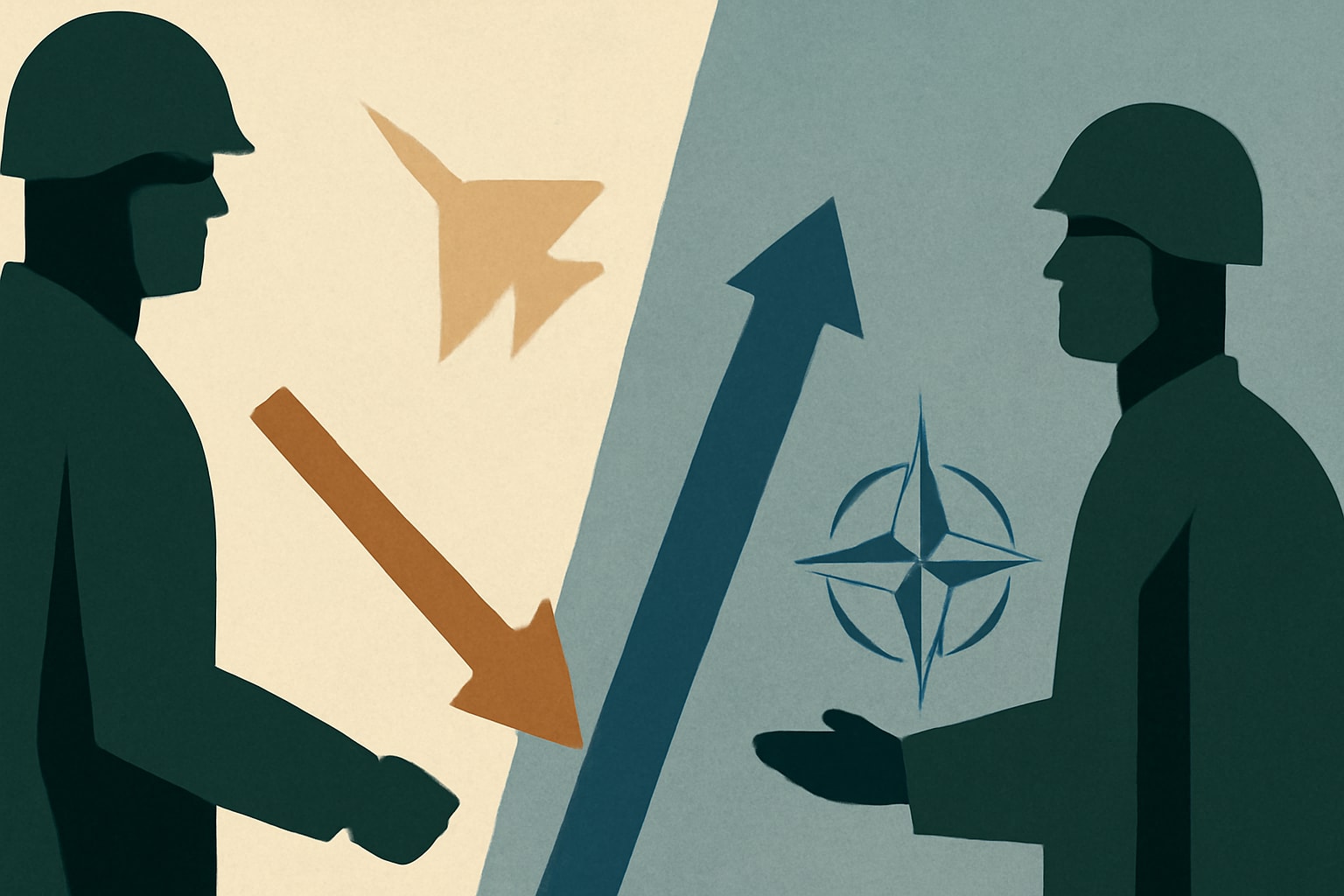
The U.S. has announced a reduction in military capabilities for NATO, leading European allies to fill the gaps left behind.
What's Happening
- •The U.S. has decided to shrink its military capabilities committed to NATO.
- •European allies are expected to fill nearly all gaps left by the U.S. in NATO defense plans.
- •This change was communicated to NATO allies in May 2026.
Why It Matters
This development is significant for military personnel and veterans as it signals a shift in NATO's defense strategy, potentially affecting future deployments and international military collaboration. For veterans, understanding these changes can provide context for geopolitical dynamics that may influence their post-service opportunities and security concerns.
What Changes Now
- •The U.S. military will reduce its presence in NATO, which may lead to fewer joint exercises. This change will require service members to adapt to new operational frameworks with European forces.
- •European nations will take on more responsibility for regional security, leading to increased military spending. This could create new opportunities for collaboration and training for U.S. service members stationed in Europe.
- •Deployment patterns may shift as NATO adjusts its defense strategies, impacting active duty soldiers and their families. Service members should stay informed about potential changes to their assignments and operational roles.
What to Watch
- •Monitor upcoming NATO meetings where defense strategies will be discussed. Key decisions on military commitments will be made that could affect service members' roles.
- •Watch for announcements from European NATO members regarding increased defense spending. This could indicate a shift in military resources and capabilities that may involve U.S. forces.
- •Keep an eye on changes in training exercises and joint operations with European allies. Adjustments here could affect the readiness and deployment of U.S. service members.
Get the Daily Briefing
Military and veteran news that actually affects you, in your inbox each morning.
More Context
- •Impact on NATO Defense Strategy: The decision by the U.S. to reduce its military commitments to NATO comes at a critical time when European security is under scrutiny. NATO has traditionally relied on U.S. military capabilities to deter threats, particularly from Russia. With the U.S. scaling back, European nations will need to enhance their own defense strategies to fill the void. This shift raises questions about the long-term sustainability of NATO's collective defense principle, particularly for Eastern European members who feel most threatened.
- •European Response and Capabilities: In response to the U.S. reduction, European NATO members are ramping up their military capabilities. Countries like Germany and France are expected to increase defense spending and troop deployments to ensure regional security. This could lead to a more autonomous European defense posture, potentially altering the dynamics of transatlantic relations. However, the effectiveness of this response will depend on the speed and scale of military enhancements across Europe.
- •Implications for Service Members: Active duty service members, particularly those in combat roles such as infantry (11B) and artillery (13B), may experience changes in deployment patterns as NATO adjusts its defense strategies. The reduction in U.S. military presence could lead to increased reliance on European forces for joint operations. This shift may also affect training exercises and operational readiness, requiring service members to adapt to new collaborative frameworks with European allies.
Frequently Asked Questions
Does this affect Guard members on Title 10 orders?
Yes, Guard members on Title 10 orders may experience changes in their deployment and mission focus as NATO adjusts its defense strategy.
Will my BAH change if I move duty stations mid-year?
Your Basic Allowance for Housing (BAH) may change based on your new duty station's location and housing costs.
Veteran Take
For those who've served, the reduction of U.S. military commitments to NATO raises important questions about our role in global security. As European allies step up, veterans navigating this shift may find their experiences and skills increasingly relevant in a changing landscape of international defense. Understanding these dynamics is crucial, as they could impact future opportunities for service and collaboration that many of us still value.
The Daily Briefing
Military & veteran news that actually affects you — delivered every morning.
- Pay, benefits & policy changes
- Pentagon decisions that matter
- VA updates for veterans & families
- One email. No spam. Unsubscribe anytime.
Related Stories
- Watchdog Report Reveals Security Flaws in Pentagon Wireless Services— Task & Purpose
- Marine Corps Invests $19.25 Million in Electric Seaglider Technology— Military.com
- DISA Faces Another Protest Over Enclave Contract Expansion— Federal News Network
- Over 200 Troops Awarded Purple Hearts During the Iran War— Task & Purpose