Russian Military Deaths in Ukraine Exceed U.S. War Casualties Since WWI
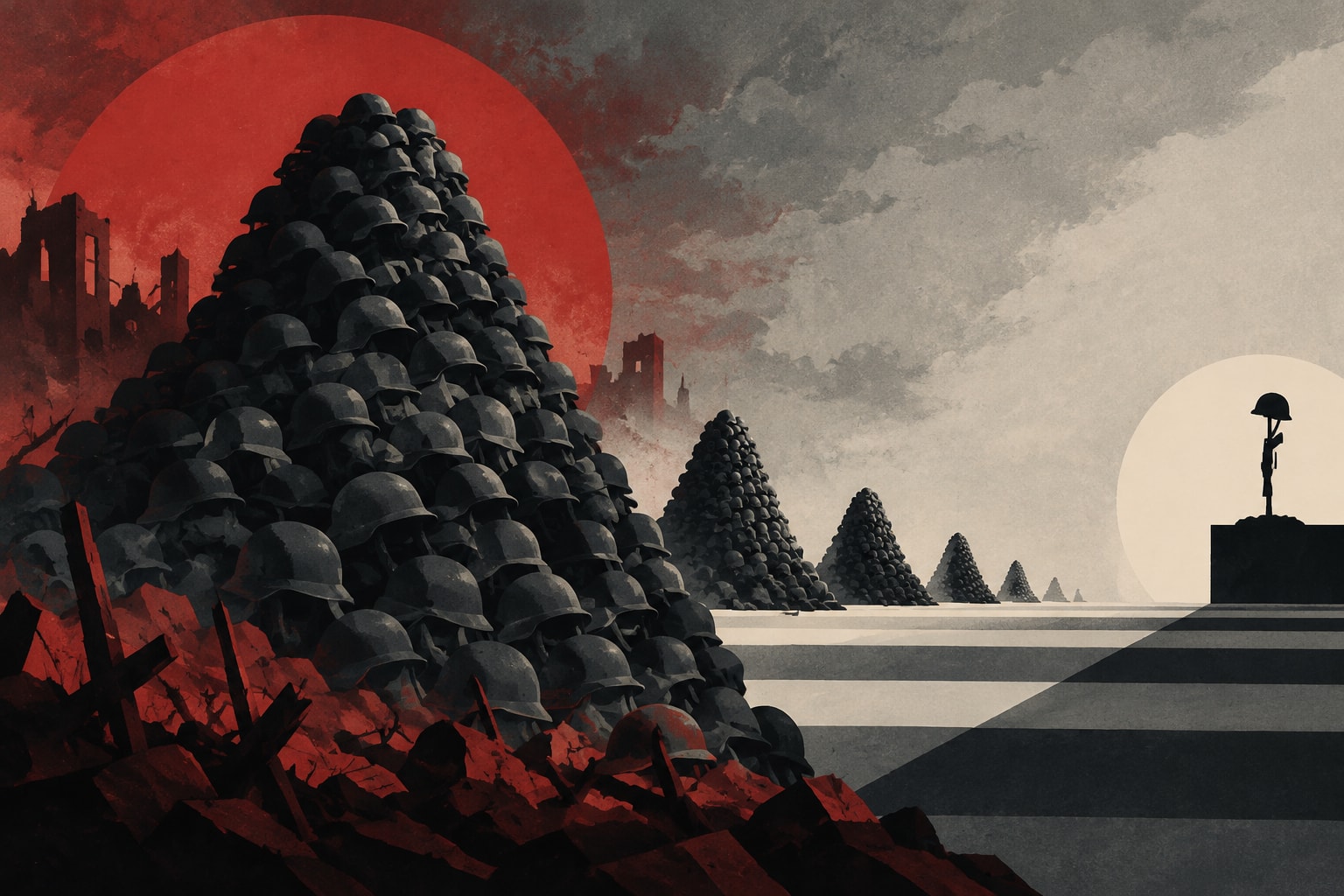
The ongoing conflict in Ukraine has resulted in over 700,000 Russian military deaths, surpassing all U.S. war casualties since World War I.
What's Happening
- •More than 700,000 Russian soldiers have been killed in Ukraine since the war began nearly five years ago.
- •This figure surpasses all combined U.S. military deaths in wars since World War I.
- •The high casualty rate reflects the intense and ongoing nature of the conflict.
Why It Matters
The staggering number of Russian military deaths in Ukraine has significant implications for U.S. military strategy and global security dynamics. Understanding these figures is crucial for service members, veterans, and their families as they navigate the evolving landscape of military engagement and its impact on national security.
What Changes Now
- •The U.S. military may reassess its strategic posture in Europe. This could involve increased readiness measures or adjustments in troop deployments to respond to the evolving threat landscape.
- •NATO may consider its collective defense strategies in light of the high Russian casualties. This could lead to enhanced cooperation among member states to deter potential aggression.
- •Military families may experience increased support services as the implications of these casualties are addressed. Programs aimed at mental health and resilience may see expanded resources to help families cope.
What to Watch
- •Monitor NATO's upcoming summit scheduled for next year. Decisions made there could significantly influence U.S. military commitments in Europe.
- •Watch for updates on U.S. military readiness initiatives in response to the conflict. These updates will provide insight into how the military plans to adapt to changing global dynamics.
- •Keep an eye on congressional discussions regarding defense spending. Future budgets may reflect the need for increased resources to address the implications of high casualty rates.
Get the Daily Briefing
Military and veteran news that actually affects you, in your inbox each morning.
More Context
- •The Scale of Russian Casualties: The war in Ukraine has seen unprecedented losses for the Russian military, with estimates indicating that over 700,000 soldiers have died since the conflict escalated in 2022. This staggering number highlights the severe toll the war has taken on Russian forces, surpassing all U.S. military casualties from conflicts spanning over a century, including both World Wars, Korea, Vietnam, and more recent engagements in Iraq and Afghanistan.
- •Implications for U.S. Military Strategy: The significant Russian casualties could influence U.S. military strategy and policy in several ways. As the U.S. assesses its own military readiness and capabilities, the high loss of life among Russian forces may prompt a reevaluation of engagement strategies in Europe and beyond. Additionally, these figures may affect NATO's approach to collective defense and deterrence, as the alliance considers the implications of a weakened Russian military.
- •Impact on Service Members and Veterans: For active-duty service members and veterans, the ongoing conflict and the scale of casualties may raise concerns about future U.S. military involvement in global conflicts. Those in combat arms MOSs, such as infantry and armor, may feel the weight of these statistics as they reflect on the realities of warfare. Moreover, veterans may find themselves reflecting on their own service and the sacrifices made during their time in uniform, as the numbers serve as a stark reminder of the costs of war.
- •What This Means for Military Families: Military families, particularly those with loved ones deployed, may experience heightened anxiety as they process the implications of these casualty figures. The prospect of increased military engagements or prolonged conflicts can lead to uncertainty about the safety and well-being of service members. It's crucial for families to stay informed and engaged with support networks to navigate these challenging emotions and circumstances.
Frequently Asked Questions
Does this affect Guard members on Title 10 orders?
Yes, Guard members on Title 10 orders may be impacted by changes in military strategy and readiness as the U.S. responds to the conflict.
Will my BAH change if I move duty stations mid-year?
Your Basic Allowance for Housing (BAH) may be adjusted based on your new duty station, so it's important to update your information through myPay.
The Daily Briefing
Military & veteran news that actually affects you — delivered every morning.
- Pay, benefits & policy changes
- Pentagon decisions that matter
- VA updates for veterans & families
- One email. No spam. Unsubscribe anytime.
Related Stories
- Carla Babb Named Head of Content for Military Times and Defense News— Military Times
- Pentagon Requests $5 Billion for Golden Dome and MQ-9 Fleet Support— Air & Space Forces Magazine
- New $6.8 Million Pentagon-Backed Study Aims to Protect Service Members' Brains— Military.com
- GAO Report: Pentagon Lacks Comprehensive Plan for Munitions Production— Military Times