DARPA Develops Drones for Rapid Response in Mass Casualty Events
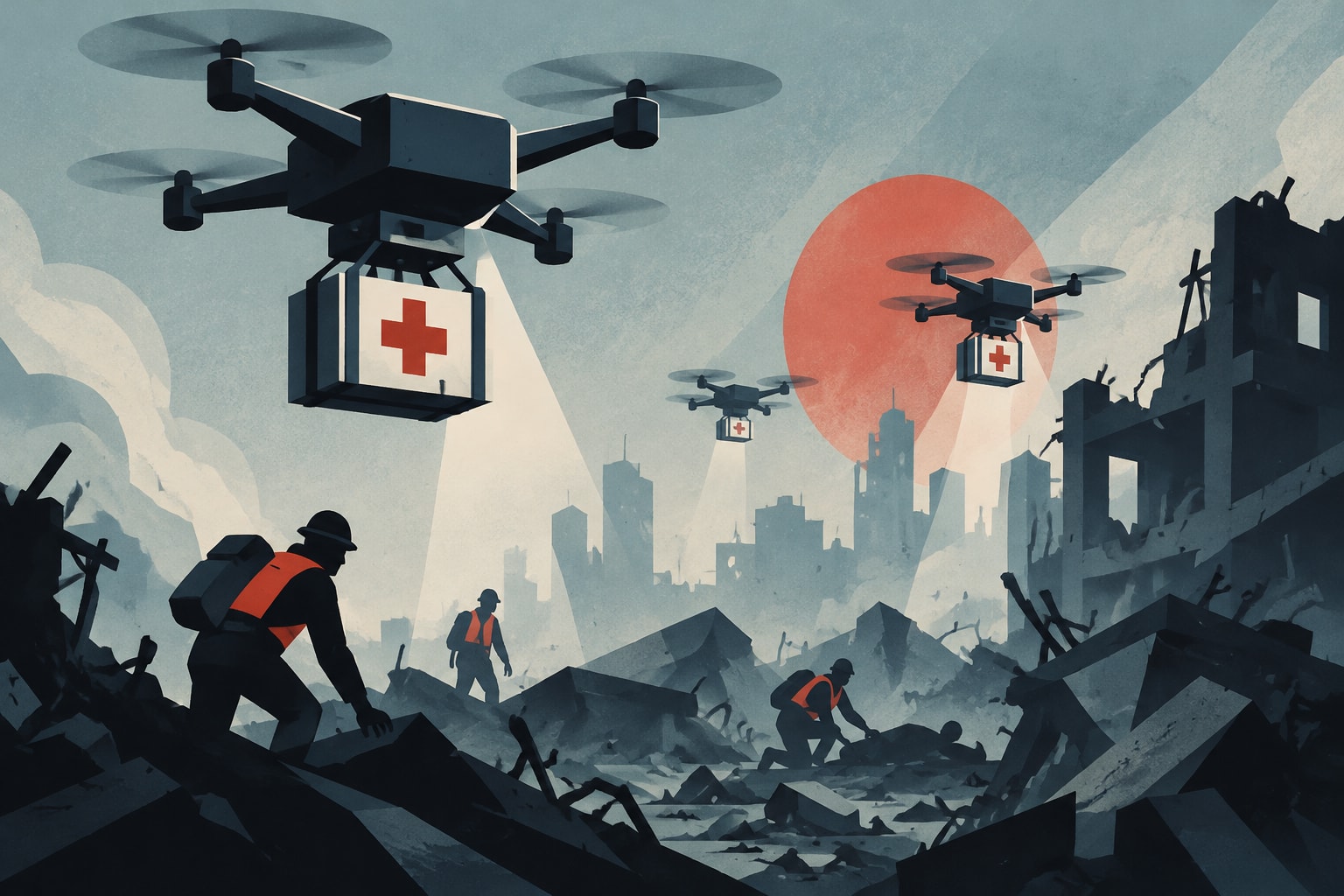
DARPA is testing drones to locate and assess injured victims during mass casualty situations, aiming to enhance emergency response.
What's Happening
- •DARPA is conducting tests on drones designed to find and assess victims in mass casualty situations.
- •The initiative is part of the Triage Challenge, aimed at improving emergency medical response.
- •Drones will help coordinate care for victims, potentially increasing survival rates.
Why It Matters
The ability to quickly locate and assess injured individuals during mass casualty events can save lives, particularly in military operations where time is critical. For veterans and military families, understanding these advancements highlights ongoing efforts to improve emergency response capabilities, which can directly impact their safety and well-being in crisis situations.
What Changes Now
- •Drones will be increasingly used in emergency response scenarios, particularly in military operations. This change means that service members may need to adapt to new protocols involving drone-assisted medical assessments.
- •Emergency response training programs will likely incorporate drone technology in their curricula. This will ensure that personnel are equipped with the necessary skills to operate drones effectively in crisis situations.
- •The Triage Challenge results could lead to the adoption of new technologies in military medical units. This adoption could enhance the capabilities of medics and improve overall response times during emergencies.
What to Watch
- •The results of the Triage Challenge will be announced soon, showcasing the most effective drone technologies. These results will determine which innovations may be implemented in military and civilian emergency response systems.
- •Upcoming military training exercises may include drone operations as part of their medical response drills. Observing these exercises will provide insight into how quickly and effectively these technologies can be integrated into existing protocols.
- •Legislative discussions on funding for advanced medical technologies will be ongoing. Monitoring these discussions will reveal potential support for further development and deployment of drone technology in emergency response.
Get the Daily Briefing
Military and veteran news that actually affects you, in your inbox each morning.
More Context
- •Overview of the Triage Challenge: The Triage Challenge is an initiative led by DARPA that focuses on enhancing emergency response capabilities during mass casualty events. By leveraging drone technology, the program aims to streamline the process of locating, assessing, and coordinating care for injured individuals. This year’s challenge has seen various teams competing to develop the most effective solutions, showcasing innovative approaches to emergency medical response.
- •Implications for Military Personnel: For military personnel, especially those in combat roles such as 68W Army medics, the advancements in drone technology could significantly alter how medical assistance is delivered in the field. Drones equipped with medical assessment tools can provide real-time data on the condition of injured service members, allowing for quicker and more accurate medical interventions. This capability could be crucial during deployment in conflict zones or disaster relief operations.
- •Practical Applications and Future Developments: The integration of drones into emergency response protocols is expected to evolve rapidly. Military and civilian agencies will need to stay informed about the latest developments in drone technology and its applications in mass casualty scenarios. As these systems are tested and refined, training programs will likely be updated to incorporate drone operations, ensuring that service members are prepared to utilize this technology effectively.
Frequently Asked Questions
How will drone technology affect medical response in the military?
Drone technology will enhance medical response by providing real-time assessments of injured personnel, allowing for faster and more effective treatment.
Are there any training programs for service members on using drones?
Yes, as drone technology becomes more integrated into military operations, training programs will be updated to include drone operation and medical assessment protocols.
The Daily Briefing
Military & veteran news that actually affects you — delivered every morning.
- Pay, benefits & policy changes
- Pentagon decisions that matter
- VA updates for veterans & families
- One email. No spam. Unsubscribe anytime.
Related Stories
- China’s Fourth Aircraft Carrier Nears Completion, Raising Security Concerns— Military Times
- Innovative Drones Transform Battlefield Medical Evacuations— Navy Times
- Air Force Confirms B-21 Raider's Weapons Release Capability— DefenseScoop
- USAF Unveils New Force Design Focused on Technology— Air & Space Forces Magazine